The Delicate Dance of Dominance: How the Fruit Fly Brain Controls Threat Displays
Research News
|

Limbs evolved as a means of locomotion. From the primitive rotating flagella of bacteria to the wings of flies and even our own legs, animals use these appendages to travel to find food or mates, or escape predators. But in countless species across the animal kingdom, limbs are repurposed to create elaborate social displays: Paradise birds fan out their wings and hop around in courtship dances, while crabs wave their claws to communicate to potential mating partners. As humans, we use our limbs to dance, gesture while talking, wield tools, and conduct a remarkable diversity of behaviors. How does the brain control and coordinate its body parts for such distinct purposes?
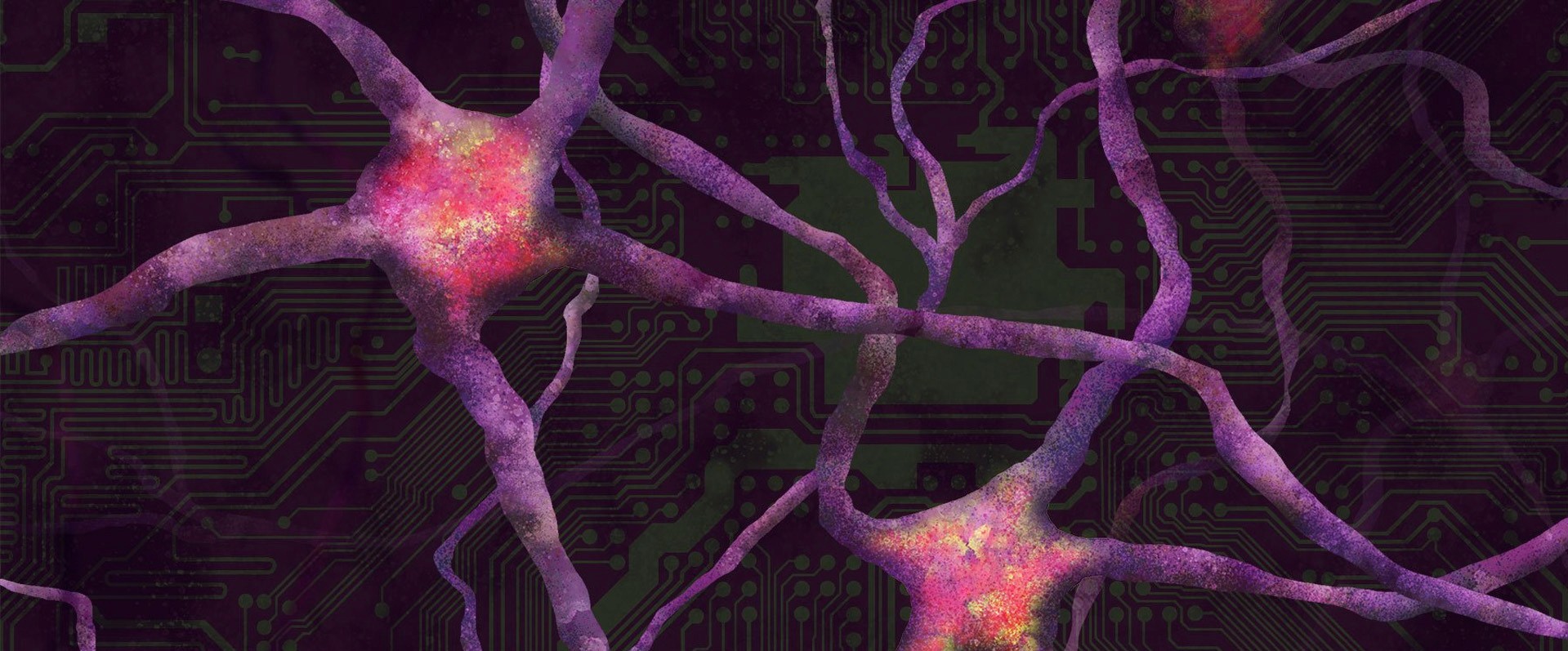
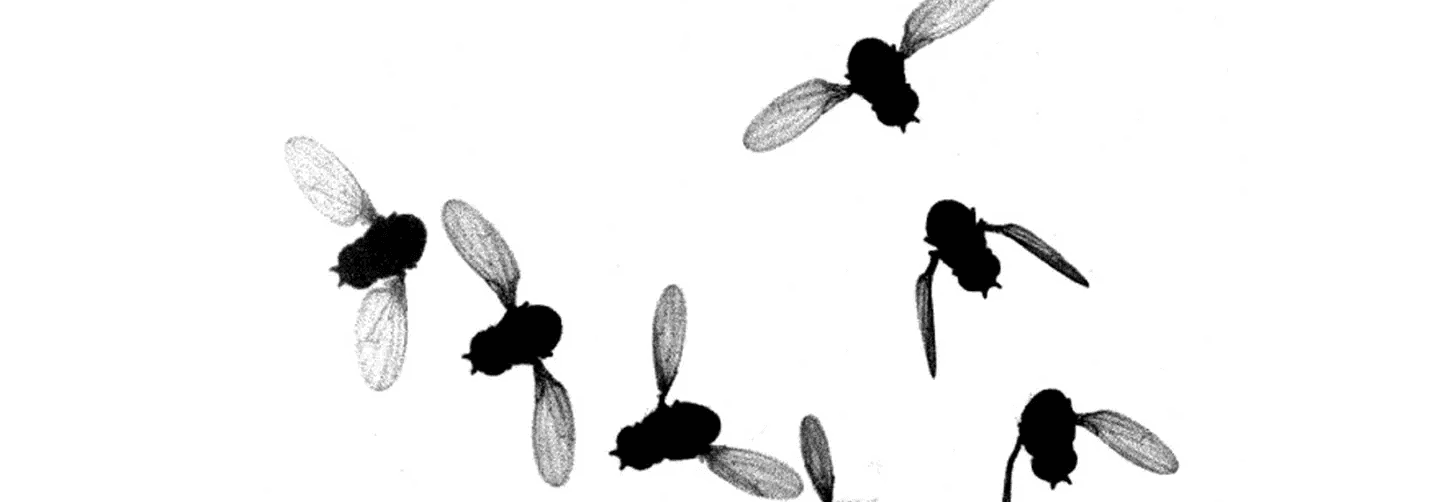
A new study from Caltech neuroscientists has discovered how social behaviors—specifically aggressive displays of intimidation—are wired in the brain of the fruit fly Drosophila melanogaster, a commonly used model organism. The team discovered two brain "modules" that are connected to the wings and to the legs, respectively, that govern the animal's threat displays.
Read more on the Caltech website.