Turning Data Into Diagnosis
Research News
|

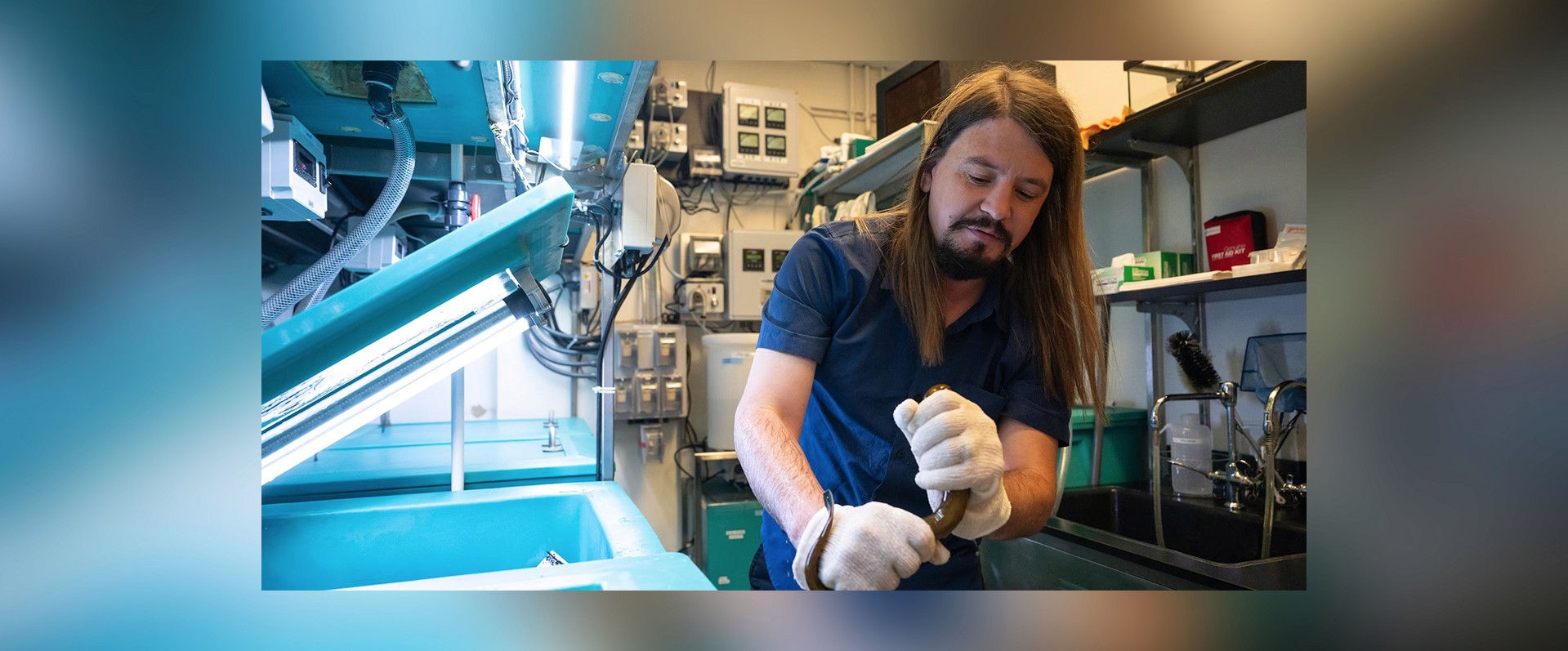
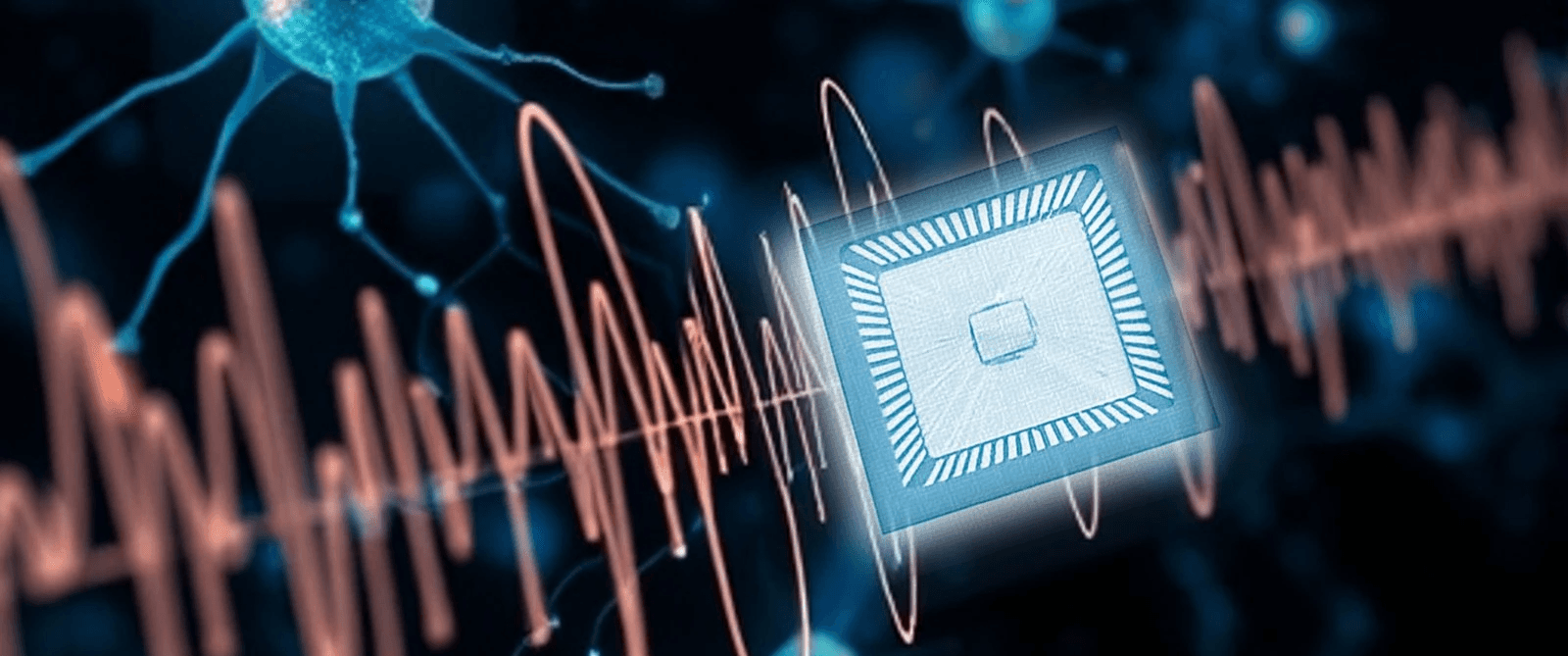
Dr. Staff and his colleagues have created the first artificial intelligence (AI) tool that can analyze routine nerve tests, called electromyography (EMG), to spot ALS sooner and predict how the disease may progress — potentially helping patients get access to treatments and clinical trials earlier.
Dr. Staff sat down with Mayo Clinic Magazine to share how AI is opening new doors for ALS research and care. This interview has been edited for clarity and length.
What is the inspiration for your work?
As a clinician who diagnoses and manages patients living with ALS long-term and participates in clinical trials, I saw firsthand the challenges and delays in diagnosis. That experience made me realize how impactful AI could be — not just for diagnostics, but also for improving clinical trial design and patient care.
I saw firsthand the challenges and delays in diagnosis. That experience made me realize how impactful AI could be — not just for diagnostics, but also for improving clinical trial design and patient care.
— Nathan Staff, M.D., Ph.D.
My colleagues and I were also intrigued with the question: What parts of our EMG data could help us advance diagnostics and prognostics? We see a high volume of patients seeking second opinions, so we knew we had a rich dataset to work with.
Ultimately, our inspiration came from a mix of clinical need, technological opportunity and a desire to bring something truly useful into practice. We wanted to build a tool that could help clinicians make earlier, more confident diagnoses and improve outcomes for patients living with ALS.
What are some key findings that have emerged from your research so far?
When we started this project, we had one big goal: to help doctors diagnose ALS earlier and more accurately using AI. ALS is a tough disease. It’s hard to diagnose, and there’s no cure yet. But we believed that by using the data we already collect — like EMG tests that measure how muscles respond — we could train a computer to spot patterns that even experienced doctors might miss.
This tool, built on EMG waveform data and trained using machine learning, is designed to help clinicians identify ALS earlier and more confidently. What’s amazing is how well it worked, even in early tests. We published the research in Brain in 2025.
How does your research integrate AI?
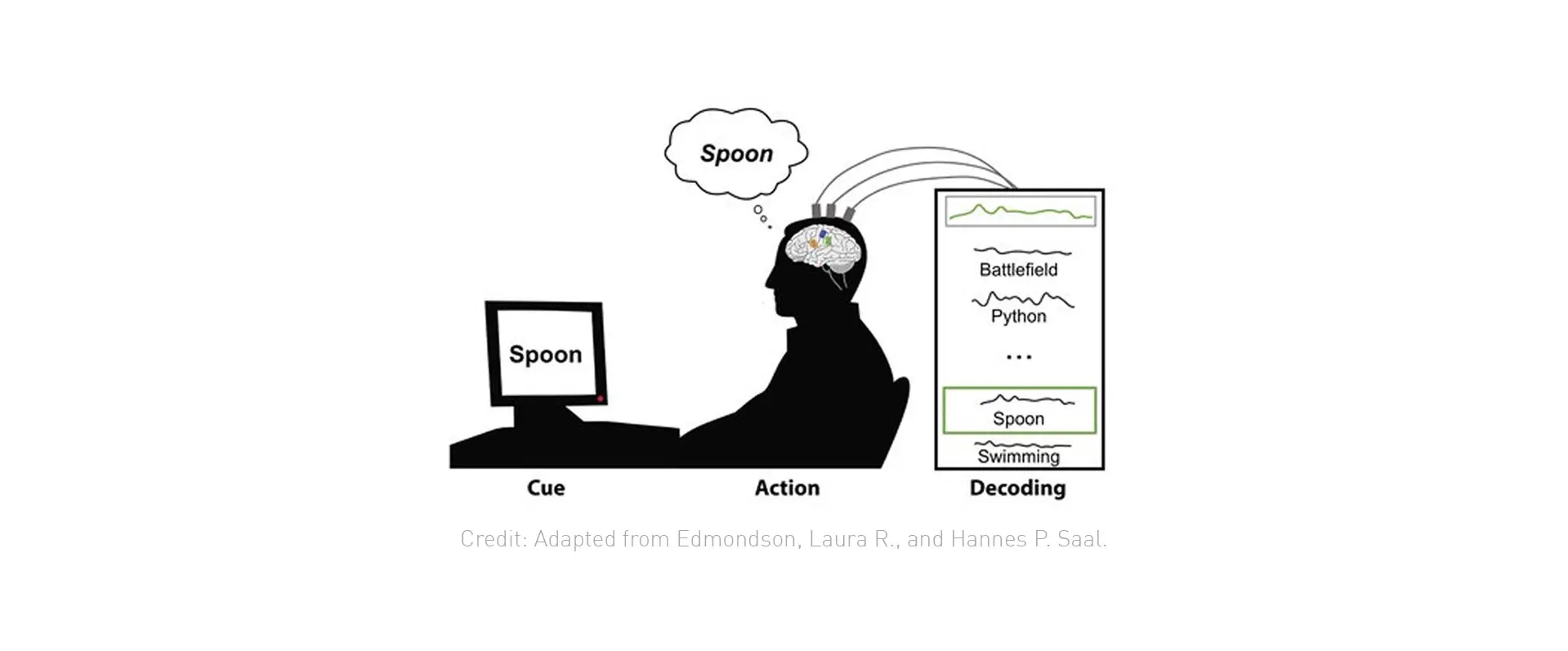
Our AI algorithm analyzes EMG data using machine learning to identify subtle patterns that aren’t visible to the human eye. It’s like a supercharged calculator that compares muscle response data from patients with confirmed ALS to those without, extracting features that help us assess the likelihood of ALS. The results were surprisingly strong — our model performed with a high degree of accuracy, which was both exciting and validating.
While the tool is still in the research phase, we’re designing feasibility trials to integrate it into clinical workflows. Ultimately, this could mean earlier access to trials, better symptom management, and peace of mind for patients and their families.
Why is this research important?
ALS is a devastating disease, and one of the most frustrating aspects for both patients and clinicians is the delay in diagnosis. Symptoms can be vague at first — just weakness — and that often leads to misdiagnosis or long waits for clarity. That delay can mean missed opportunities for clinical trials, delayed symptom management, and prolonged anxiety for patients and their families.
This tool is designed to help clinicians identify ALS earlier and more confidently. Our vision isn’t to replace clinicians but to equip them with another tool — one that nudges the diagnostic needle in the right direction, especially in ambiguous cases. This tool has the potential not only to confirm ALS sooner but also to rule it out in cases where the diagnosis is uncertain. That kind of reassurance can be just as powerful.
What excites me most is that this isn’t just a research project. It’s something that could truly change lives, and it’s just the beginning. With continued support, we can keep building tools like this to help patients and families facing some of the hardest diagnoses.
Without philanthropic support, we wouldn’t have had the resources to even begin this work. Benefactors’ generous philanthropy empowered us to think differently. It gave us the space to collaborate across disciplines, to test ideas that might have seemed too ambitious otherwise, and to move quickly from concept to clinical feasibility, ultimately enhancing quality of life for patients and their families.
Dr. Staff is a recipient of the Tianqiao and Chrissy Chen Established-Investigator Development Award in Translational Research. The Chen Institute’s generous support accelerates projects that leverage AI and translate it into applications for patient care.