Loading...
Loading...
Loading...

How Different Learning Modes May Explain Problem Gambling

Research News

|
Dec 18, 2024

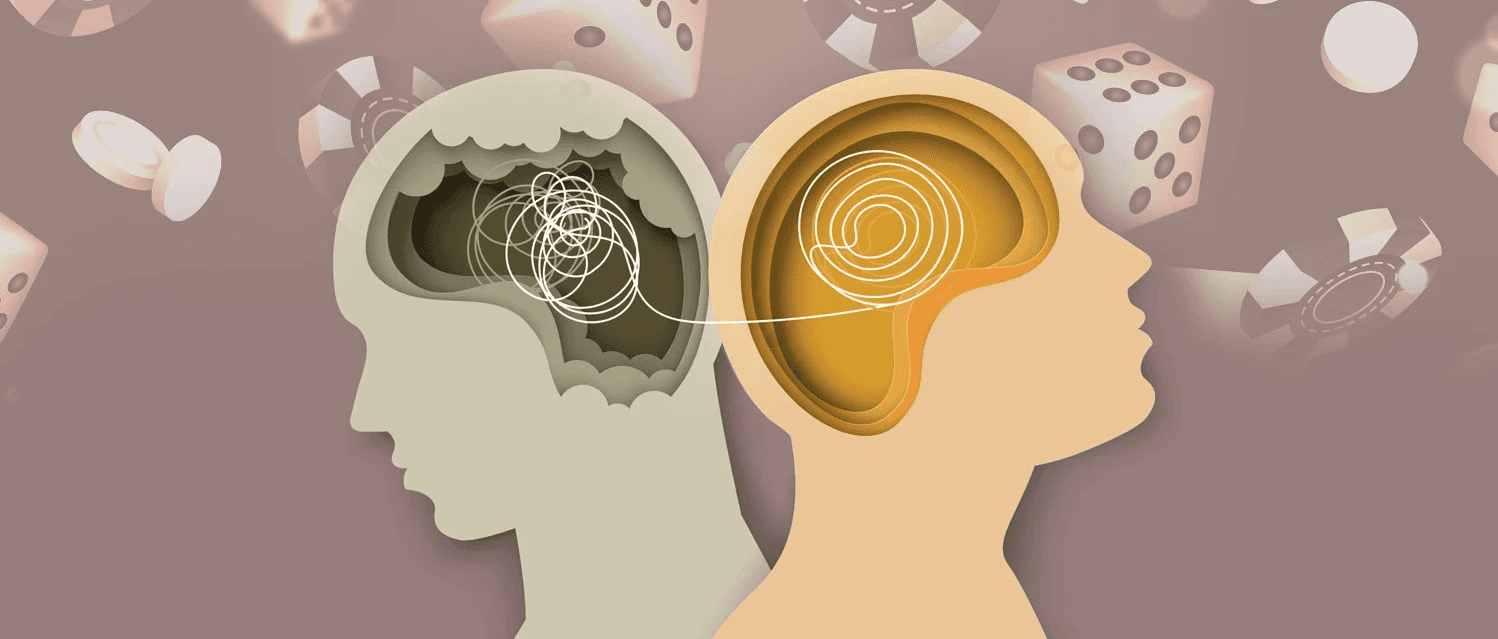
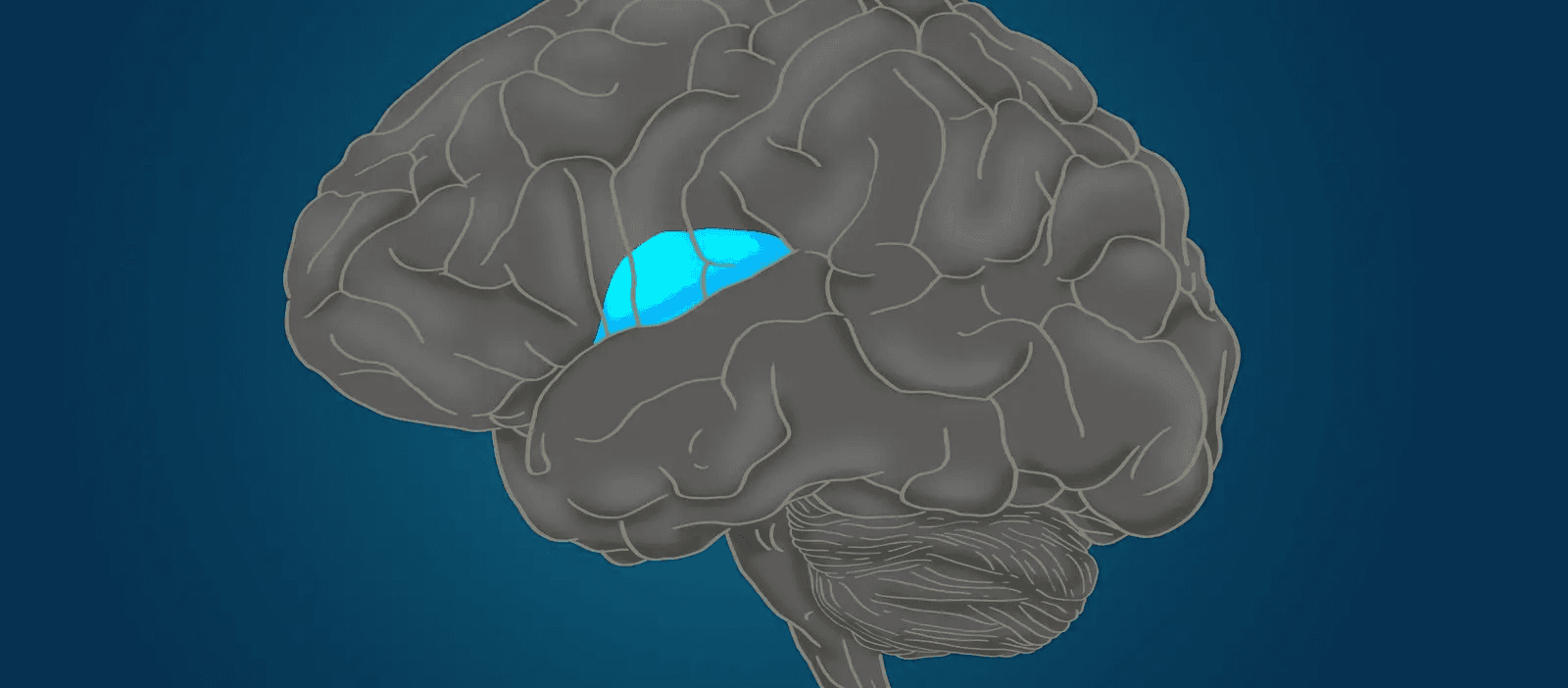
Caltech’s John O’Doherty is on a quest to understand how human brains make decisions: how they gather evidence about their environments and their own impacts on these environments and then apply this information to their decision-making. Researchers in his lab examine subjects to find how brains learn from positive and negative feedback, and why some brains learn more easily and effectively than others. “This is a very simple kind of learning, preserved across most animal species,” says O’Doherty, Fletcher Jones Professor of Decision Neuroscience and affiliated faculty member of the Tianqiao and Chrissy Chen Institute for Neuroscience.

“We think that people learn via a thing called prediction error: the difference between what you’re expecting to get and what you actually get,” O’Doherty explains. “If there’s a big discrepancy between the two, you’ll have a big prediction error, which means you need to update your learning so next time you will be able to make better, more accurate predictions.

”O’Doherty’s research into this topic was recently described in the Journal of Neuroscience. In the study O’Doherty’s lab recruited a sample of 40 gamblers including 20 “problem” gamblers, whose responses to questionnaires indicate symptoms associated with a gambling disorder, and 20 “recreational” gamblers, whose responses did not.

Read more on the TCCI for Neuroscience website


Caltech’s John O’Doherty is on a quest to understand how human brains make decisions: how they gather evidence about their environments and their own impacts on these environments and then apply this information to their decision-making. Researchers in his lab examine subjects to find how brains learn from positive and negative feedback, and why some brains learn more easily and effectively than others. “This is a very simple kind of learning, preserved across most animal species,” says O’Doherty, Fletcher Jones Professor of Decision Neuroscience and affiliated faculty member of the Tianqiao and Chrissy Chen Institute for Neuroscience.

“We think that people learn via a thing called prediction error: the difference between what you’re expecting to get and what you actually get,” O’Doherty explains. “If there’s a big discrepancy between the two, you’ll have a big prediction error, which means you need to update your learning so next time you will be able to make better, more accurate predictions.

”O’Doherty’s research into this topic was recently described in the Journal of Neuroscience. In the study O’Doherty’s lab recruited a sample of 40 gamblers including 20 “problem” gamblers, whose responses to questionnaires indicate symptoms associated with a gambling disorder, and 20 “recreational” gamblers, whose responses did not.

Read more on the TCCI for Neuroscience website


Loading...
Loading...
Loading...
Loading...
Loading...
Loading...
Loading...

Cornerstone Partnerships

Frontier Labs

Documentary

Loading...

AI Prize

Chen Scholars Program

Training Programs

Stanford IPL

Loading...

AIAS 2025

Conference Program

Conference Partners

Conference Reports

About

Founders’ letter

Our Philanthropy

Vision

Team

Join Us

Newsroom

Chen Institute blog
Newsletter

Annual Report

© 2025 Tianqiao and Chrissy Chen Institute

Terms of Use

Privacy Policy

Contact us

Newsletter

Subscribe

We're Hiring!

Loading...

Cornerstone Partnerships

Frontier Labs

Documentary

Loading...

AI Prize

Chen Scholars Program

Training Programs

Stanford IPL

Loading...

AIAS 2025

Conference Program

Conference Partners

Conference Reports

About

Founders’ letter

Our Philanthropy

Vision

Team

Join Us

Newsroom

Chen Institute blog

Newsletter

Annual Report

© 2025 Tianqiao and Chrissy Chen Institute

Terms of Use

Privacy Policy

Contact us

Newsletter

Subscribe

We're Hiring!

Loading...

Cornerstone Partnerships

Frontier Labs

Documentary

Loading...

AI Prize

Chen Scholars Program

Training Programs

Stanford IPL

Loading...

AIAS 2025

Conference Program

Conference Partners

Conference Reports

About

Founders’ letter

Our Philanthropy

Vision

Team

Join Us

Newsroom

Chen Institute blog

Newsletter

Annual Report

© 2025 Tianqiao and Chrissy Chen Institute

Terms of Use

Privacy Policy

Contact us

Newsletter

Subscribe

We're Hiring!