Loading...
Loading...
Loading...

When Does the Brain Process Reward and Risk?

Research News

|
Mar 20, 2024

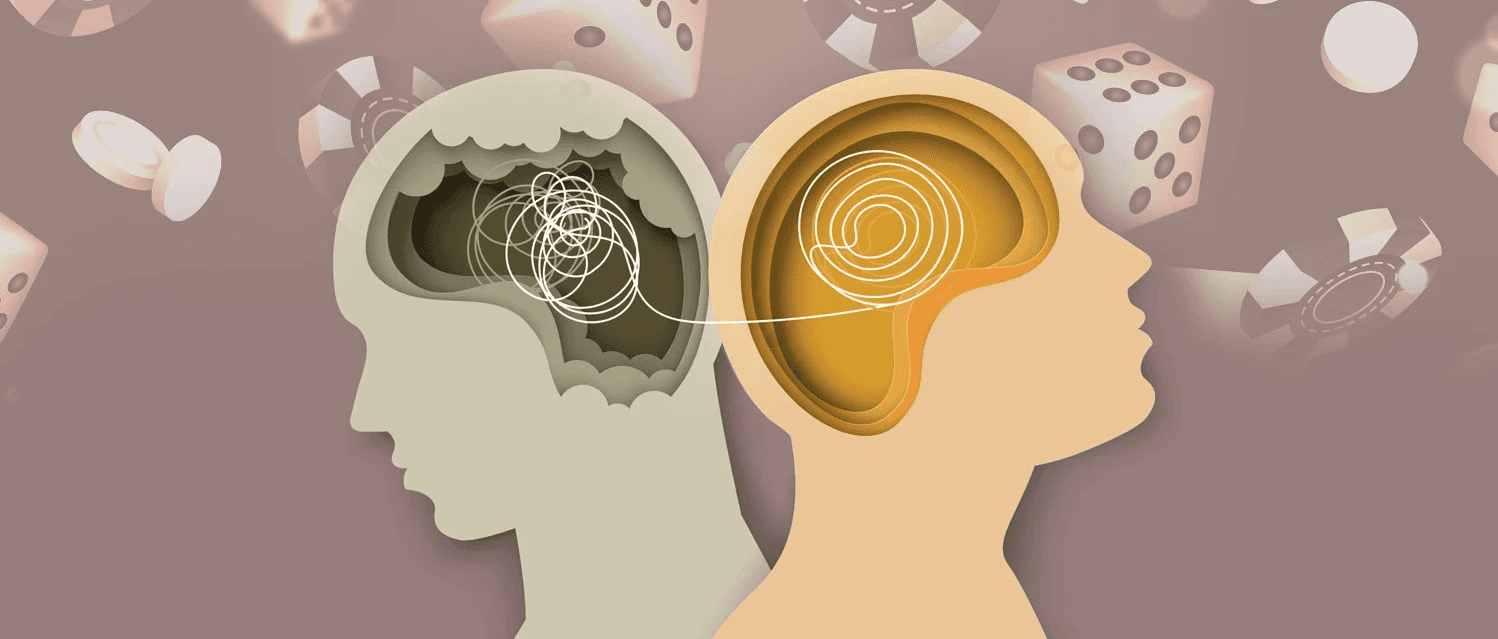
Imagine that you are considering buying stock in a company. You know what its current value is, and you suspect that you could make a healthy return on your investment. But this stock is very volatile: some days up, some days down. Yes, you could make a lot of money, but you could also lose a lot of money. There is a clear reward, but also a lot of risk.

Many decisions are like this. The can of tomato paste on clearance at the grocery store is a fantastic bargain if it has not gone bad, but if it has, you have thrown away your money.

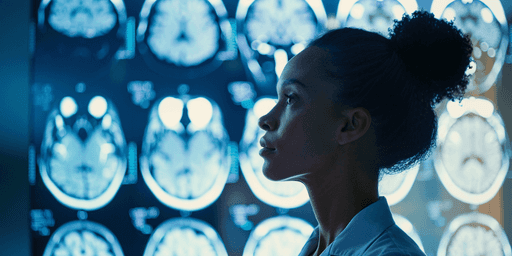
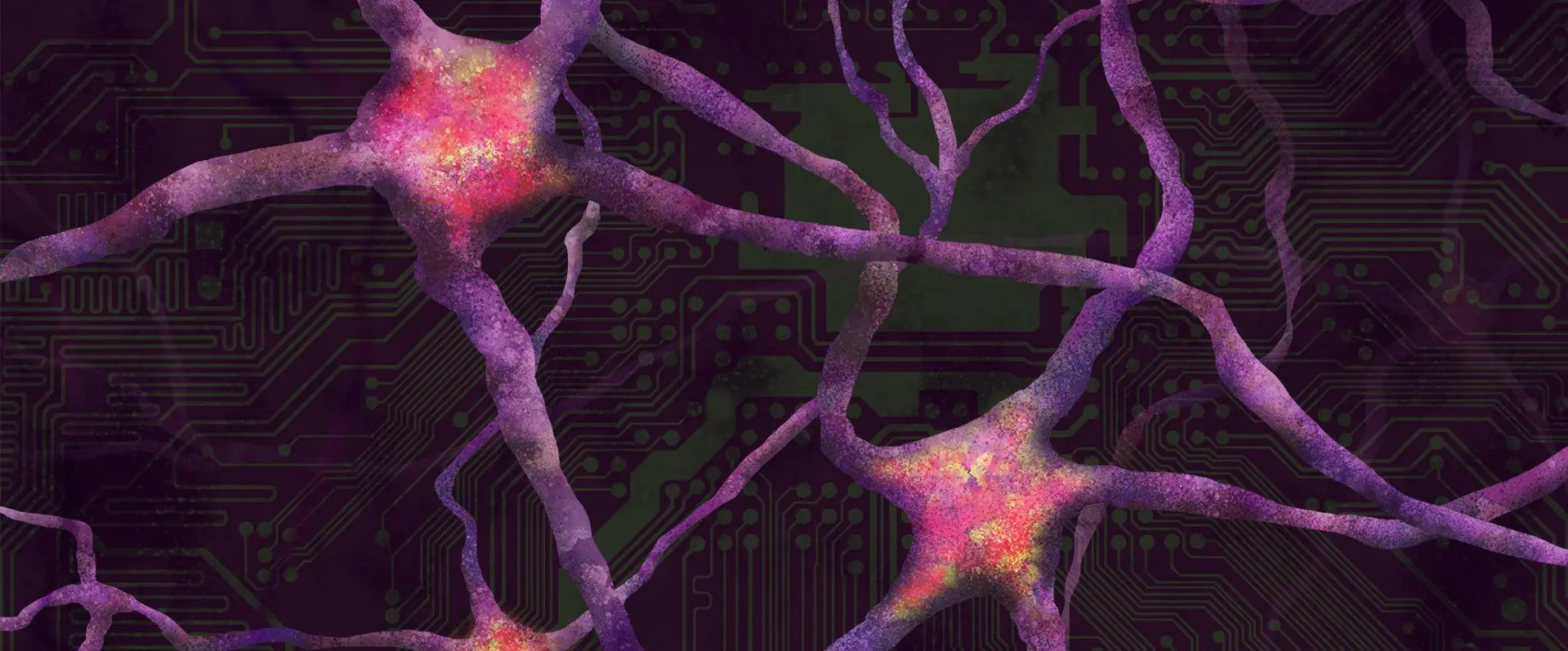
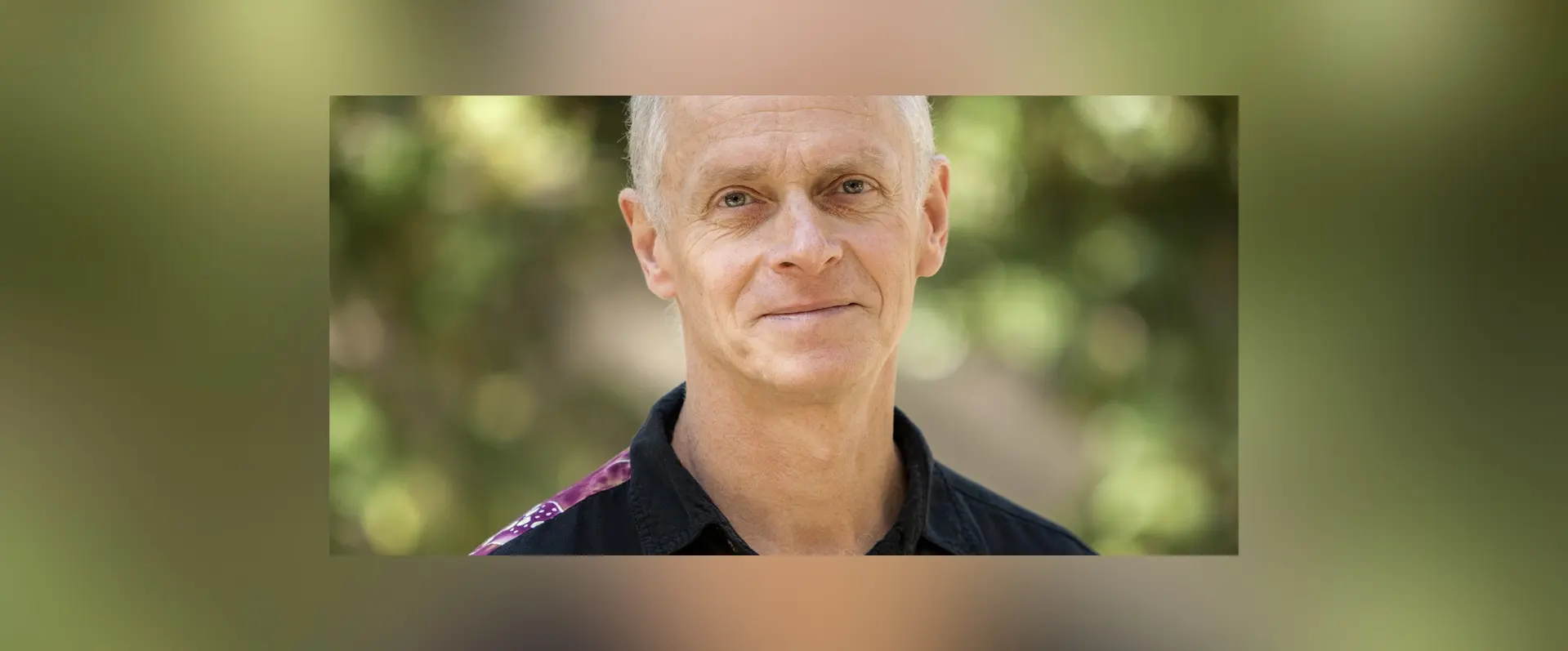
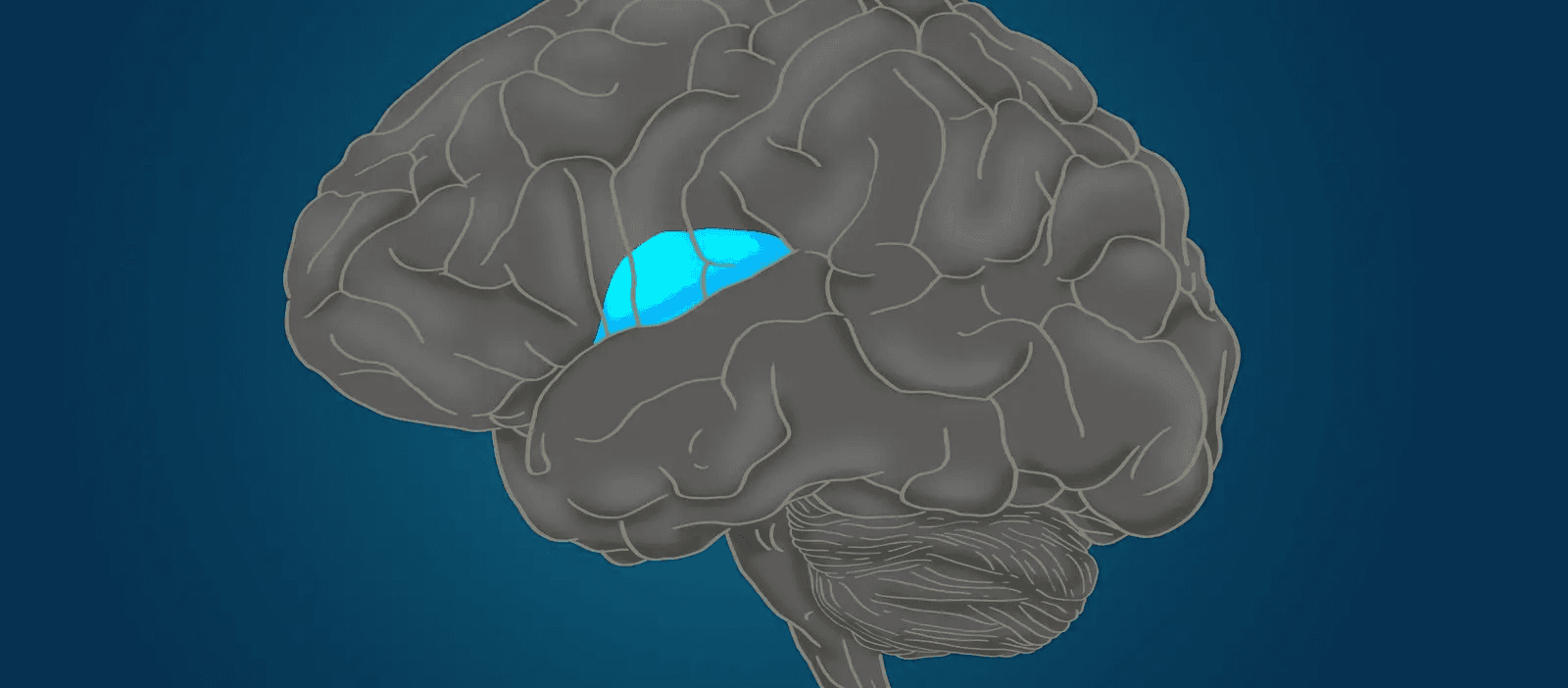
Decisions like these are a classic situation considered by economists. New research from the lab of John O’Doherty, Caltech’s Fletcher Jones Professor of Decision Neuroscience and an affiliate faculty member of the Tianqiao and Chrissy Chen Institute for Neuroscience, aims to understand how the brain implements these kinds of decisions by testing a computational model that proposes how representations of reward and risk are built from experience. The neural processing of reward and risk was previously studied at Caltech via a technique called functional magnetic resonance imaging (fMRI), which measures changes in blood flow inside the brain. Researchers found that a region of the brain called the anterior insula is activated when people assess risk and process uncertainty.

The work was published in the March 9, 2024, issue of Nature Communications.

Read more on the TCCI for Neuroscience website

Imagine that you are considering buying stock in a company. You know what its current value is, and you suspect that you could make a healthy return on your investment. But this stock is very volatile: some days up, some days down. Yes, you could make a lot of money, but you could also lose a lot of money. There is a clear reward, but also a lot of risk.

Many decisions are like this. The can of tomato paste on clearance at the grocery store is a fantastic bargain if it has not gone bad, but if it has, you have thrown away your money.

Decisions like these are a classic situation considered by economists. New research from the lab of John O’Doherty, Caltech’s Fletcher Jones Professor of Decision Neuroscience and an affiliate faculty member of the Tianqiao and Chrissy Chen Institute for Neuroscience, aims to understand how the brain implements these kinds of decisions by testing a computational model that proposes how representations of reward and risk are built from experience. The neural processing of reward and risk was previously studied at Caltech via a technique called functional magnetic resonance imaging (fMRI), which measures changes in blood flow inside the brain. Researchers found that a region of the brain called the anterior insula is activated when people assess risk and process uncertainty.

The work was published in the March 9, 2024, issue of Nature Communications.

Read more on the TCCI for Neuroscience website

Loading...
Loading...
Loading...
Loading...
Loading...
Loading...
Loading...

Cornerstone Partnerships

Frontier Labs

Documentary

Loading...

AI Prize

Chen Scholars Program

Training Programs

Stanford IPL

Loading...

AIAS 2025

Conference Program

Conference Partners

Conference Reports

About

Founders’ letter

Our Philanthropy

Vision

Team

Join Us

Newsroom

Chen Institute blog

Newsletter

Annual Report

© 2025 Tianqiao and Chrissy Chen Institute

Terms of Use

Privacy Policy

Contact us

Newsletter

Subscribe

We're Hiring!

Loading...

Cornerstone Partnerships

Frontier Labs

Documentary

Loading...

AI Prize

Chen Scholars Program

Training Programs

Stanford IPL

Loading...

AIAS 2025

Conference Program

Conference Partners

Conference Reports

About

Founders’ letter

Our Philanthropy

Vision

Team

Join Us

Newsroom

Chen Institute blog

Newsletter

Annual Report

© 2025 Tianqiao and Chrissy Chen Institute

Terms of Use

Privacy Policy

Contact us

Newsletter

Subscribe

We're Hiring!

Loading...

Cornerstone Partnerships

Frontier Labs

Documentary

Loading...

AI Prize

Chen Scholars Program

Training Programs

Stanford IPL

Loading...

AIAS 2025

Conference Program

Conference Partners

Conference Reports

About

Founders’ letter

Our Philanthropy

Vision

Team

Join Us

Newsroom

Chen Institute blog

Newsletter

Annual Report

© 2025 Tianqiao and Chrissy Chen Institute

Terms of Use

Privacy Policy

Contact us

Newsletter

Subscribe

We're Hiring!