Loading...
Loading...
Loading...

Genetic Foundations of Regeneration Remain Elusive

Research News

|
Aug 14, 2024

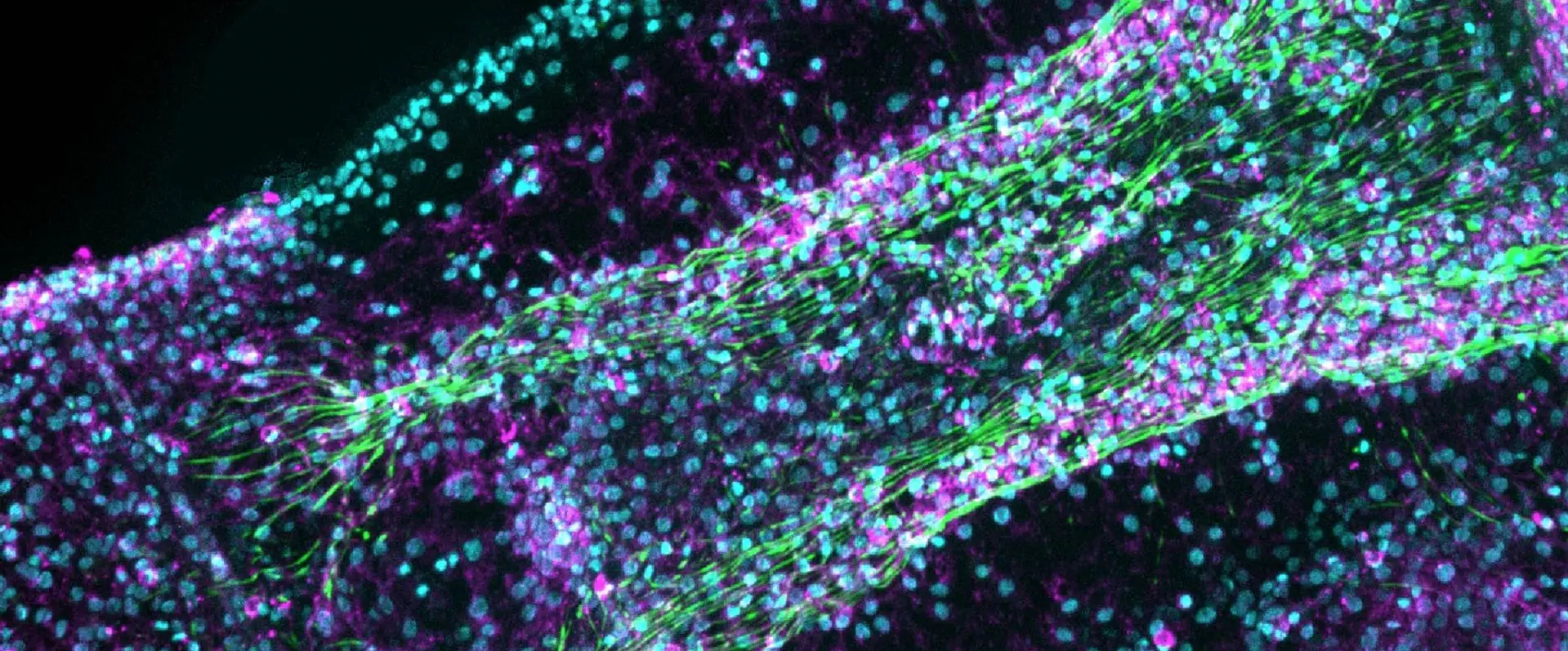
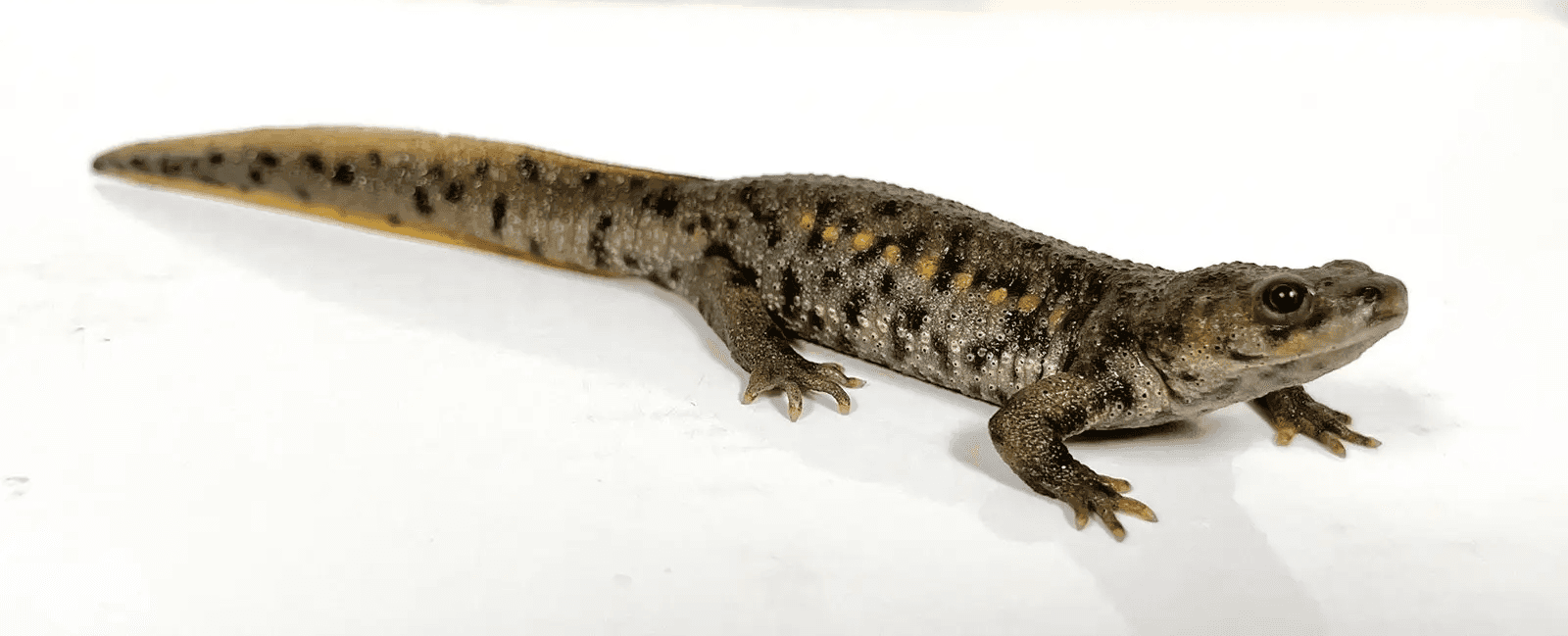
Throughout the animal kingdom, several species have the ability to regenerate body parts after cuts or damage. Lizards can regrow their tails, salamanders can regrow arms and legs, certain flatworms can even regrow their entire heads. But humans do not have the ability to regenerate damaged body parts. Why?

To answer this question, researchers first need to know about the evolutionary history of regeneration. Is regeneration an ancient trait that our animal ancestors shared, and many species simply lost the ability over time? Or did regeneration evolve in different species independently, similarly to how insects and birds independently evolved the ability to fly?

A new study examines the genomes of five different animal species—axolotl, zebrafish, sea anemones, sea sponges, and sea cucumbers— that all have the ability to regenerate, but are evolutionarily distinct (counterintuitively, the sea creatures are not very closely related). Using a common technique called RNA-seq, the researchers used publicly available datasets that captured snapshots of gene activity, also known as expression, in samples of regenerating tissue.

A paper describing the findings is titled “A Novel Approach to Comparative RNA-Seq Does Not Support a Conserved Set of Orthologs Underlying Animal Regeneration” and appears in the journal Genome Biology and Evolution. The research was conducted as a collaboration between the Caltech laboratories of Lior Pachter, Bren Professor of Computational Biology and Computing and Mathematical Sciences and an affiliated faculty member with the Tianqiao and Chrissy Chen Institute for Neuroscience at Caltech, with Professor of Biology Lea Goentoro, and David Gold, a former Caltech postdoctoral scholar and now associate professor at UC Davis.

Read more on the TCCI for Neuroscience site

Throughout the animal kingdom, several species have the ability to regenerate body parts after cuts or damage. Lizards can regrow their tails, salamanders can regrow arms and legs, certain flatworms can even regrow their entire heads. But humans do not have the ability to regenerate damaged body parts. Why?

To answer this question, researchers first need to know about the evolutionary history of regeneration. Is regeneration an ancient trait that our animal ancestors shared, and many species simply lost the ability over time? Or did regeneration evolve in different species independently, similarly to how insects and birds independently evolved the ability to fly?

A new study examines the genomes of five different animal species—axolotl, zebrafish, sea anemones, sea sponges, and sea cucumbers— that all have the ability to regenerate, but are evolutionarily distinct (counterintuitively, the sea creatures are not very closely related). Using a common technique called RNA-seq, the researchers used publicly available datasets that captured snapshots of gene activity, also known as expression, in samples of regenerating tissue.

A paper describing the findings is titled “A Novel Approach to Comparative RNA-Seq Does Not Support a Conserved Set of Orthologs Underlying Animal Regeneration” and appears in the journal Genome Biology and Evolution. The research was conducted as a collaboration between the Caltech laboratories of Lior Pachter, Bren Professor of Computational Biology and Computing and Mathematical Sciences and an affiliated faculty member with the Tianqiao and Chrissy Chen Institute for Neuroscience at Caltech, with Professor of Biology Lea Goentoro, and David Gold, a former Caltech postdoctoral scholar and now associate professor at UC Davis.
Read more on the TCCI for Neuroscience site

Loading...
Loading...
Loading...
Loading...
Loading...
Loading...
Loading...

Cornerstone Partnerships

Frontier Labs

Documentary

Loading...

AI Prize

Chen Scholars Program

Training Programs

Stanford IPL

Loading...

AIAS 2025

Conference Program

Conference Partners

Conference Reports

About

Founders’ letter

Our Philanthropy

Vision

Team

Join Us

Newsroom

Chen Institute blog

Newsletter

Annual Report

© 2025 Tianqiao and Chrissy Chen Institute

Terms of Use

Privacy Policy

Contact us

Newsletter

Subscribe

We're Hiring!

Loading...

Cornerstone Partnerships

Frontier Labs

Documentary

Loading...

AI Prize

Chen Scholars Program

Training Programs

Stanford IPL

Loading...

AIAS 2025

Conference Program

Conference Partners

Conference Reports

About

Founders’ letter

Our Philanthropy

Vision

Team

Join Us

Newsroom

Chen Institute blog

Newsletter

Annual Report

© 2025 Tianqiao and Chrissy Chen Institute

Terms of Use

Privacy Policy

Contact us

Newsletter

Subscribe

We're Hiring!

Loading...

Cornerstone Partnerships

Frontier Labs

Documentary

Loading...

AI Prize

Chen Scholars Program

Training Programs

Stanford IPL

Loading...

AIAS 2025

Conference Program

Conference Partners

Conference Reports

About

Founders’ letter

Our Philanthropy

Vision

Team

Join Us

Newsroom

Chen Institute blog

Newsletter

Annual Report

© 2025 Tianqiao and Chrissy Chen Institute

Terms of Use

Privacy Policy

Contact us

Newsletter

Subscribe

We're Hiring!