Shedding Light on the Brain: Neuroscientists Reflect on Optogenetics Nobel
Research News
|

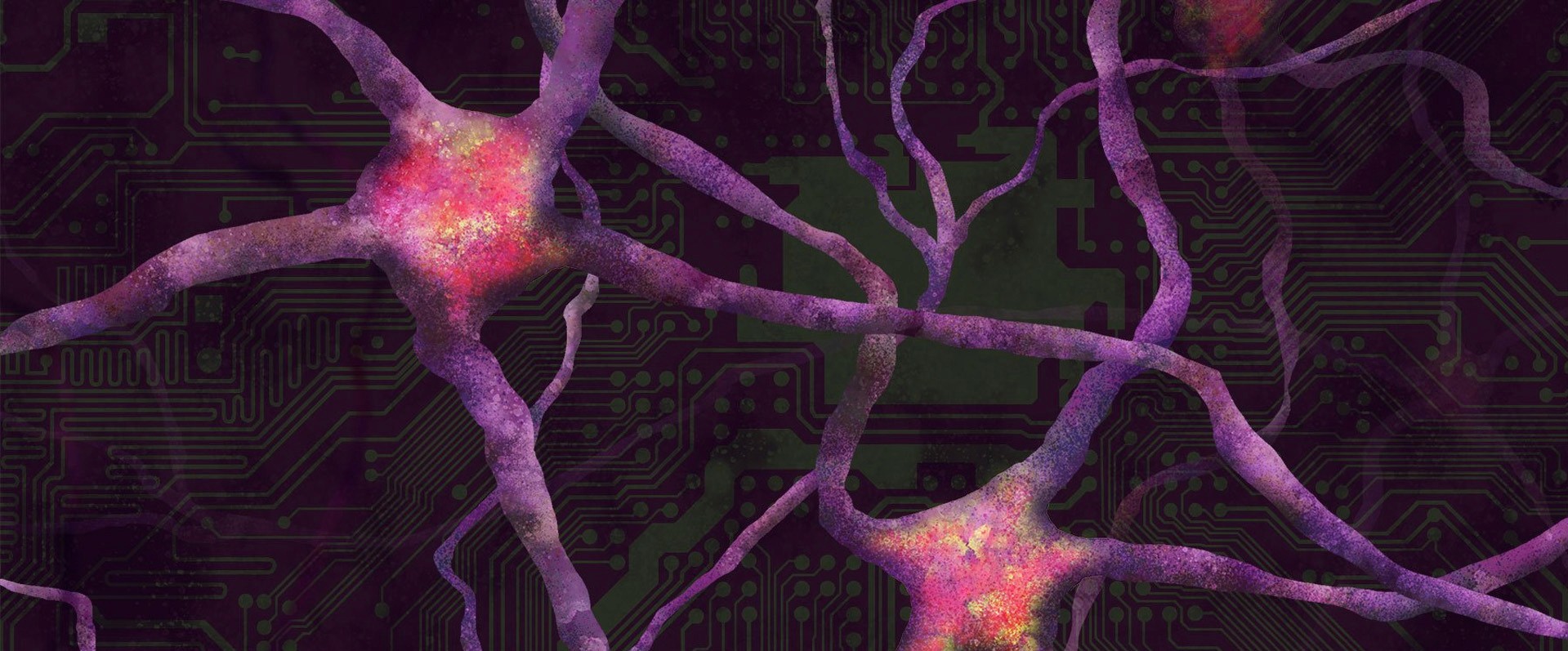
On October 5, three scientists—Peter Hegemann, Georg Nagel, and Karl Deisseroth—were awarded the Nobel Prize in Physiology or Medicine for the development of optogenetics, a revolutionary tool that allows neuroscientists to use light to turn on and off individual brain cells, even those located deep within the brain. Hegemann and Nagel, the Nobel Assembly noted, "discovered a remarkable protein, channelrhodopsin, in a single-celled alga," and Deisseroth "transformed the protein into a light-controlled switch for nerve cells."
Viviana Gradinaru (BS '05), Caltech's Troendle Professor of Neuroscience and Biological Engineering and a Howard Hughes Medical Institute Investigator, was one of the first graduate students in Deisseroth's Stanford University laboratory. A Caltech professor since 2012, Gradinaru has spent much of her Caltech career further advancing the optogenetics technique.
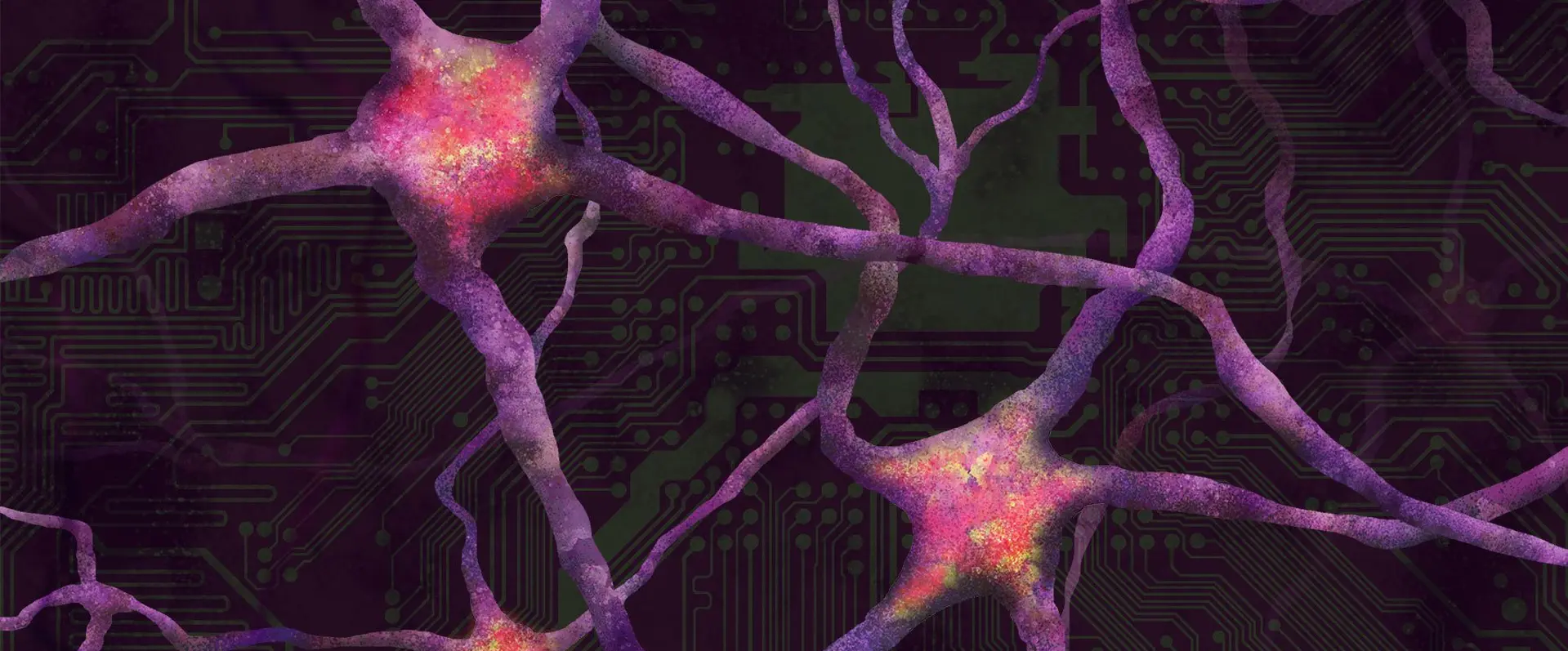
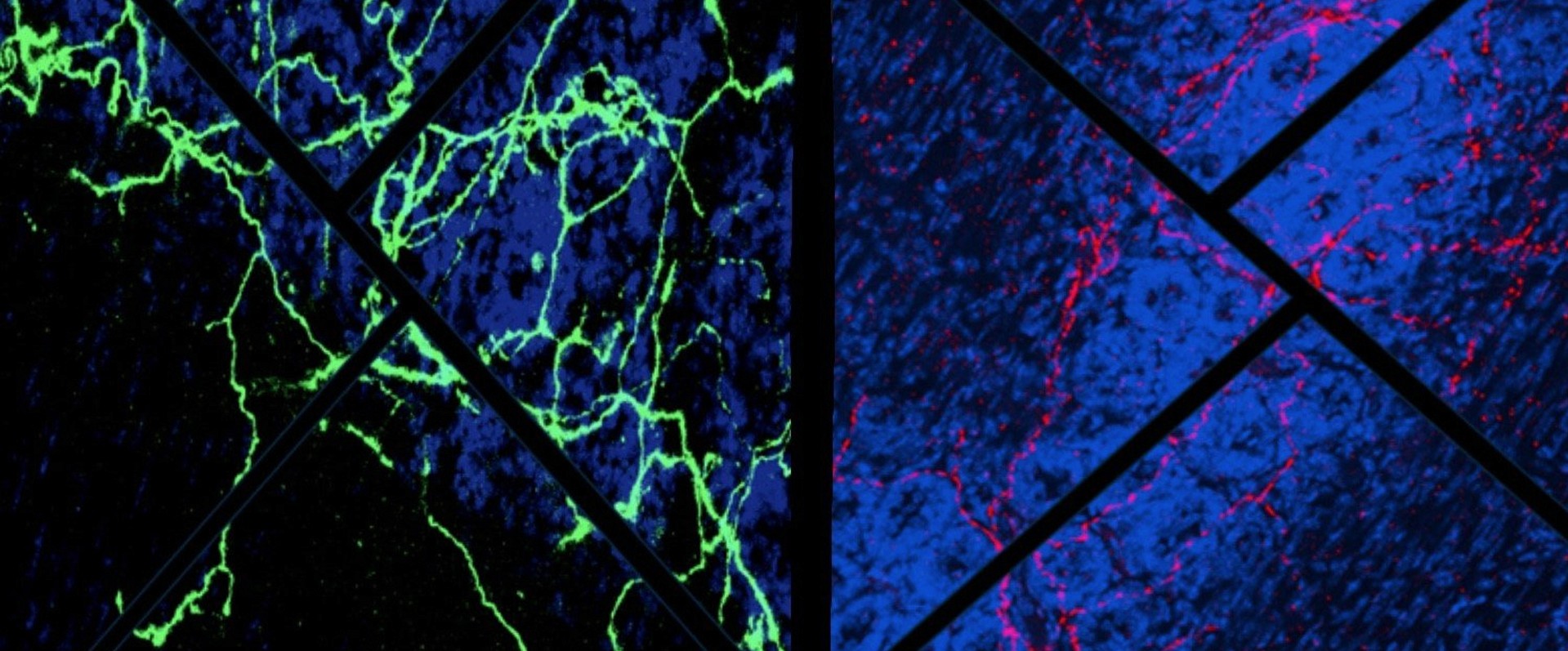
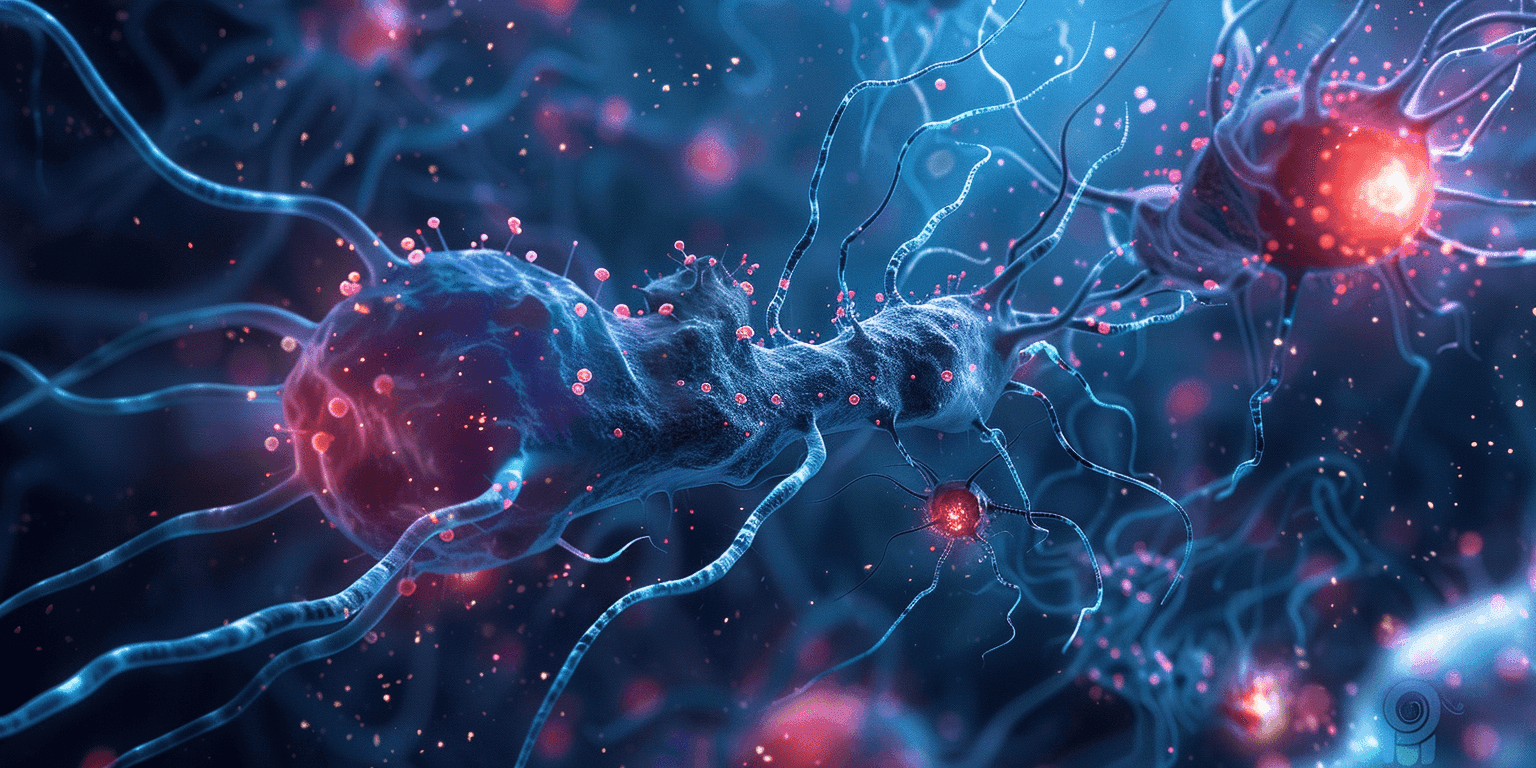
In optogenetics, brain cells are genetically modified to carry proteins that enable researchers to excite or inhibit the cells' activity using specific wavelengths of light, even if they are located deep within the brain. Hegemann, from Humboldt University in Berlin, and Nagel, of Germany's University of Würzburg, found in the early 2000s that these proteins enable green algae to swim toward sources of light.
Read more on the Caltech Website.