Loading...
Loading...
Loading...

A Beetle Gland Illustrates How New Organs Evolve

Research News

|
Dec 9, 2021

Organs—like the heart, brain, and kidneys—are complex structures made up of a combination of different cells that work cooperatively to perform specific functions. For example, around 70 distinct types of cells work together in the human eye to enable our visual perception. How do different types of cells evolve to cooperate like this?

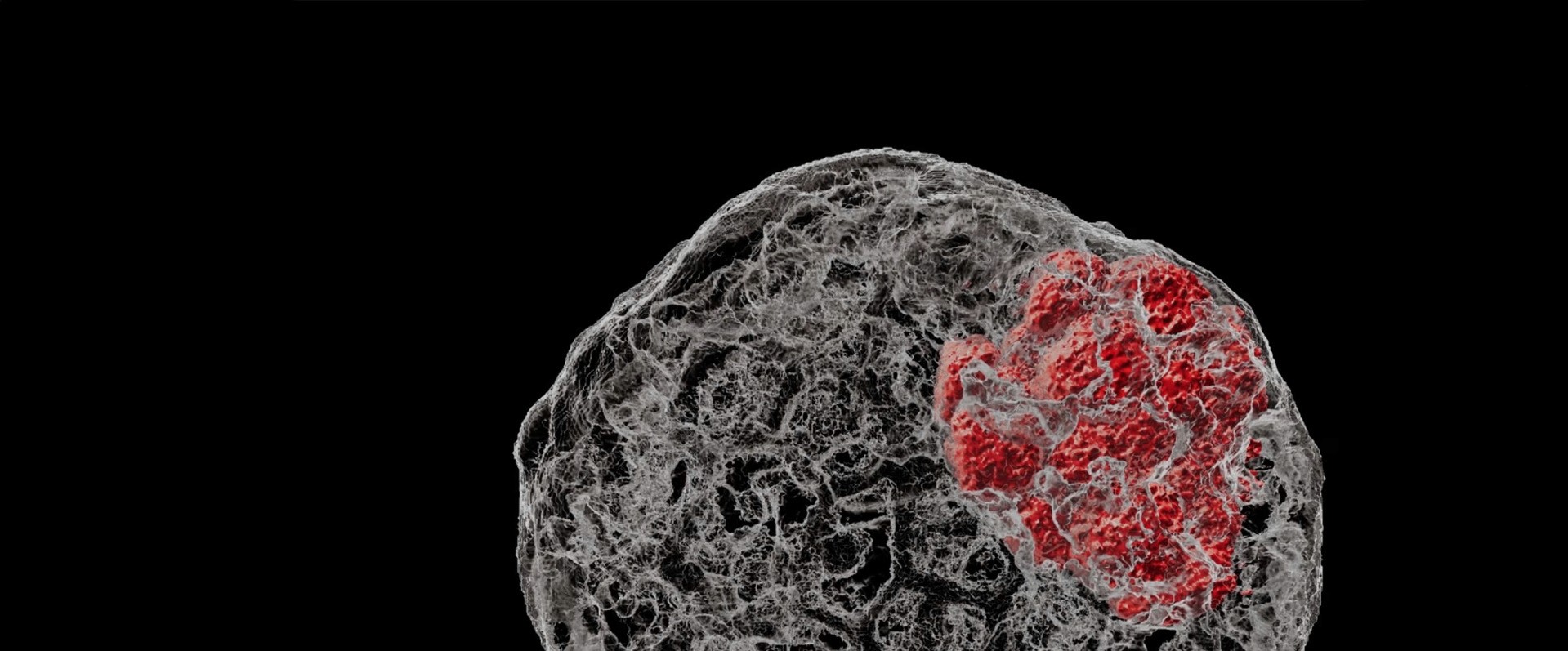
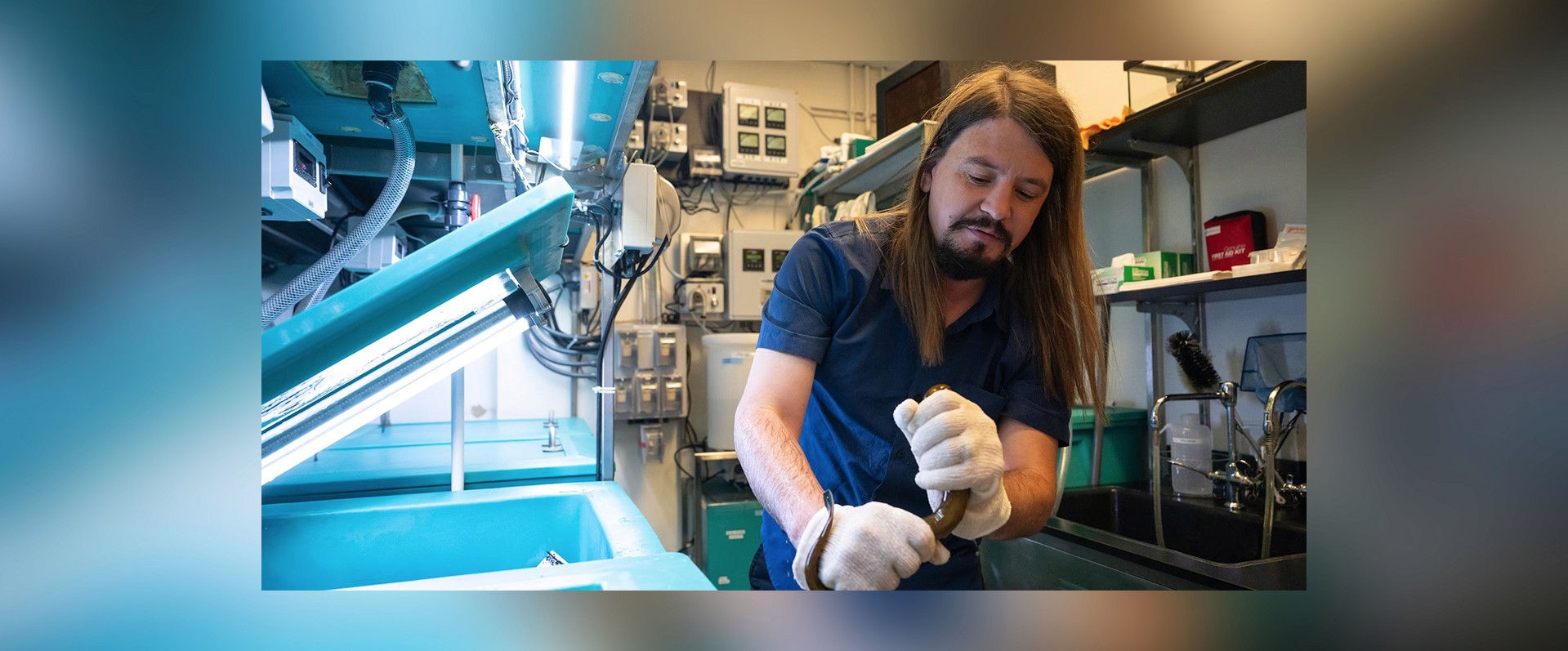
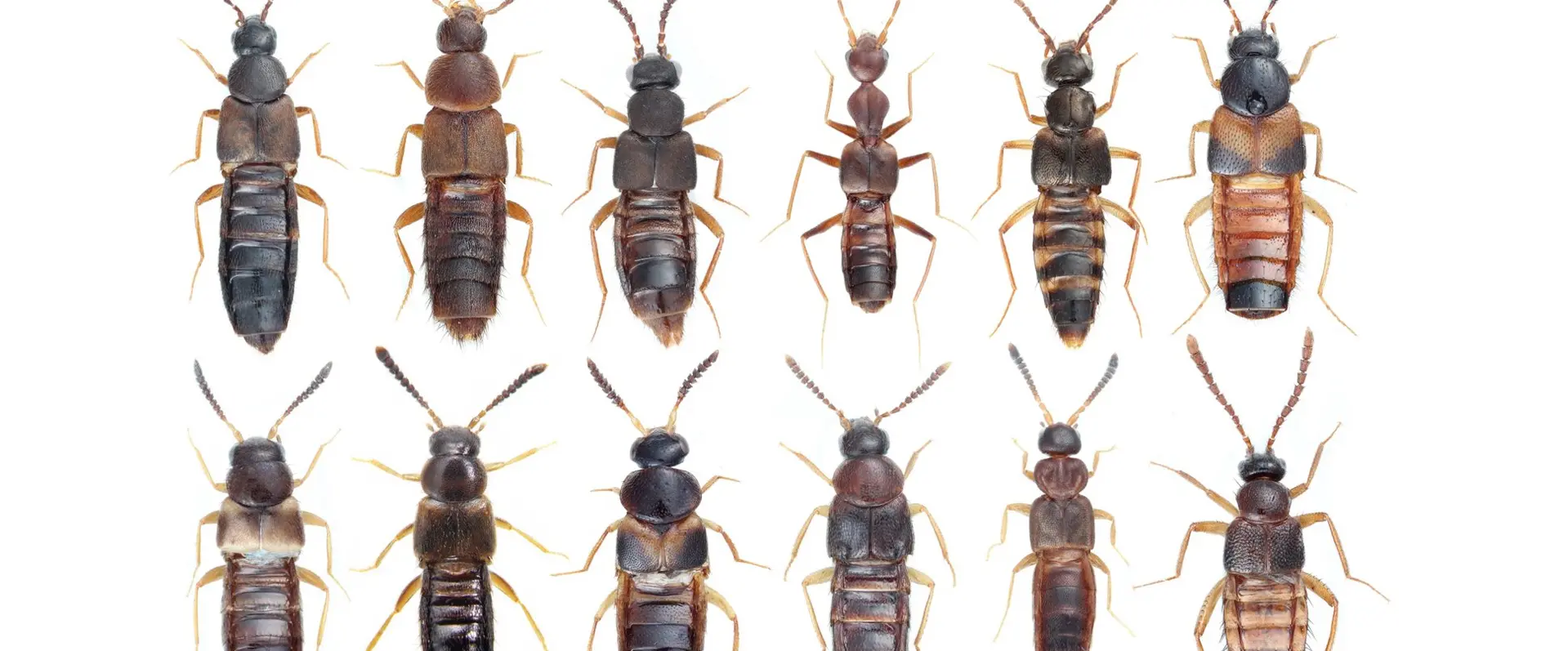
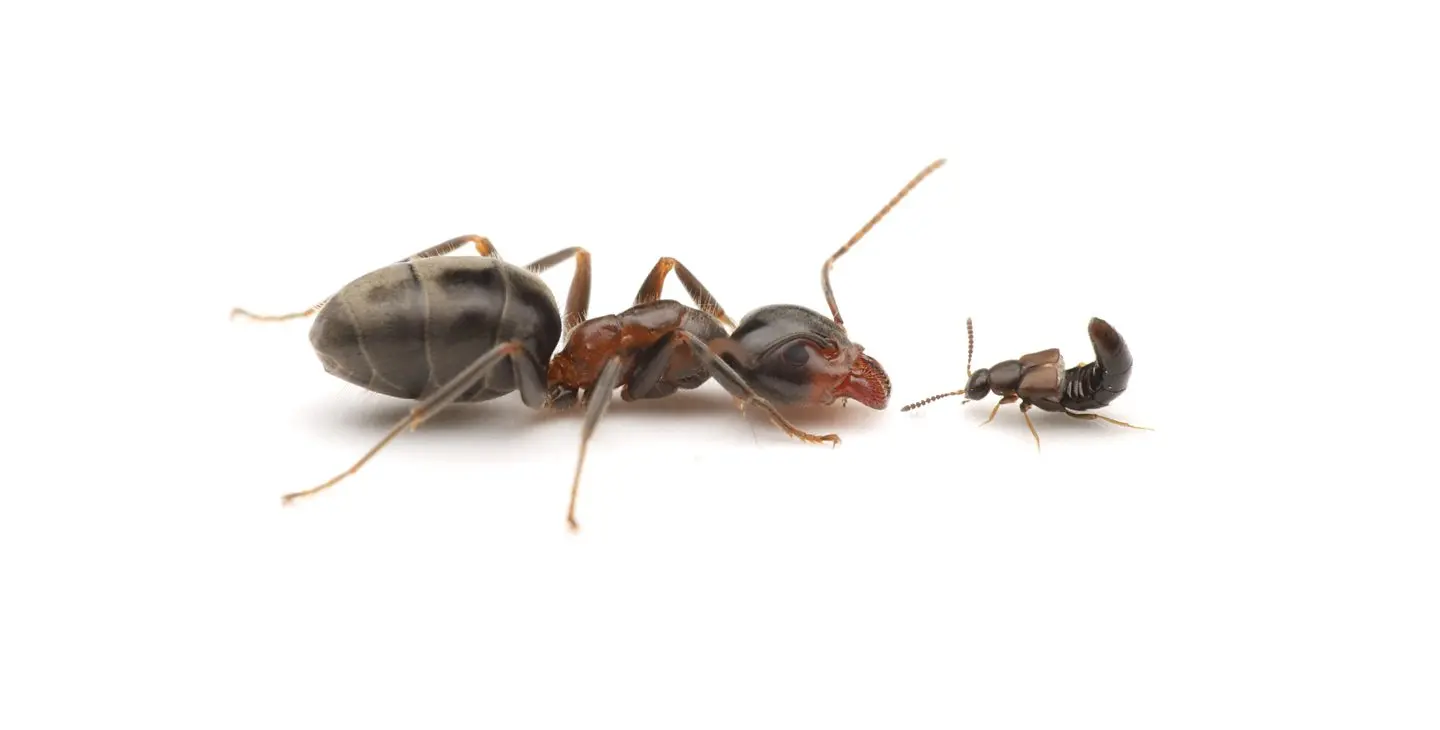
 An ideal organism to address this question is the rove beetle. That is because many of the 64,000 species of rove beetle have evolved a unique type of organ to protect themselves: a chemical gland used to spray predators with toxic chemicals. Now, Caltech researchers have mapped out the precise process by which these glands evolved in the rove beetle Dalotia coriaria. The work reveals a new paradigm for how complex organs may evolve throughout the animal kingdom.

 The research was conducted in the laboratory of Joe Parker, assistant professor of biology and biological engineering. A paper describing the study appears in the journal Cell on December 9.

 Read more on TCCI® for Neuroscience site

 Photo credit: Caltech

Organs—like the heart, brain, and kidneys—are complex structures made up of a combination of different cells that work cooperatively to perform specific functions. For example, around 70 distinct types of cells work together in the human eye to enable our visual perception. How do different types of cells evolve to cooperate like this?

 An ideal organism to address this question is the rove beetle. That is because many of the 64,000 species of rove beetle have evolved a unique type of organ to protect themselves: a chemical gland used to spray predators with toxic chemicals. Now, Caltech researchers have mapped out the precise process by which these glands evolved in the rove beetle Dalotia coriaria. The work reveals a new paradigm for how complex organs may evolve throughout the animal kingdom.

 The research was conducted in the laboratory of Joe Parker, assistant professor of biology and biological engineering. A paper describing the study appears in the journal Cell on December 9.

 Read more on TCCI® for Neuroscience site

 Photo credit: Caltech

Loading...
Loading...
Loading...
Loading...
Loading...
Loading...
Loading...

Cornerstone Partnerships

Frontier Labs

Documentary

Loading...

AI Prize

Chen Scholars Program

Training Programs

Stanford IPL

Loading...

AIAS 2025

Conference Program

Conference Partners

Conference Reports

About

Founders’ letter

Our Philanthropy

Vision

Team

Join Us

Newsroom

Chen Institute blog

Newsletter

Annual Report

© 2025 Tianqiao and Chrissy Chen Institute

Terms of Use

Privacy Policy

Contact us

Newsletter

Subscribe

We're Hiring!

Loading...

Cornerstone Partnerships

Frontier Labs

Documentary

Loading...

AI Prize

Chen Scholars Program

Training Programs

Stanford IPL

Loading...

AIAS 2025

Conference Program

Conference Partners

Conference Reports

About

Founders’ letter

Our Philanthropy

Vision

Team

Join Us

Newsroom

Chen Institute blog

Newsletter

Annual Report

© 2025 Tianqiao and Chrissy Chen Institute

Terms of Use

Privacy Policy

Contact us

Newsletter

Subscribe

We're Hiring!

Loading...

Cornerstone Partnerships

Frontier Labs

Documentary

Loading...

AI Prize

Chen Scholars Program

Training Programs

Stanford IPL

Loading...

AIAS 2025

Conference Program

Conference Partners

Conference Reports

About

Founders’ letter

Our Philanthropy

Vision

Team

Join Us

Newsroom

Chen Institute blog

Newsletter

Annual Report

© 2025 Tianqiao and Chrissy Chen Institute

Terms of Use

Privacy Policy

Contact us

Newsletter

Subscribe

We're Hiring!