Loading...
Loading...
Loading...

Researchers Build Embryo-Like Structures from Human Stem Cells

Research News

|
Sep 21, 2021

Research on human embryos is vital to understanding the earliest stages of human development. Currently, this research is conducted on surplus embryos willingly donated by individuals who have undergone in vitro fertilization however this means the research is limited by availability of embryos and strict international ethical time limits on how long an embryo is allowed to develop in the laboratory.

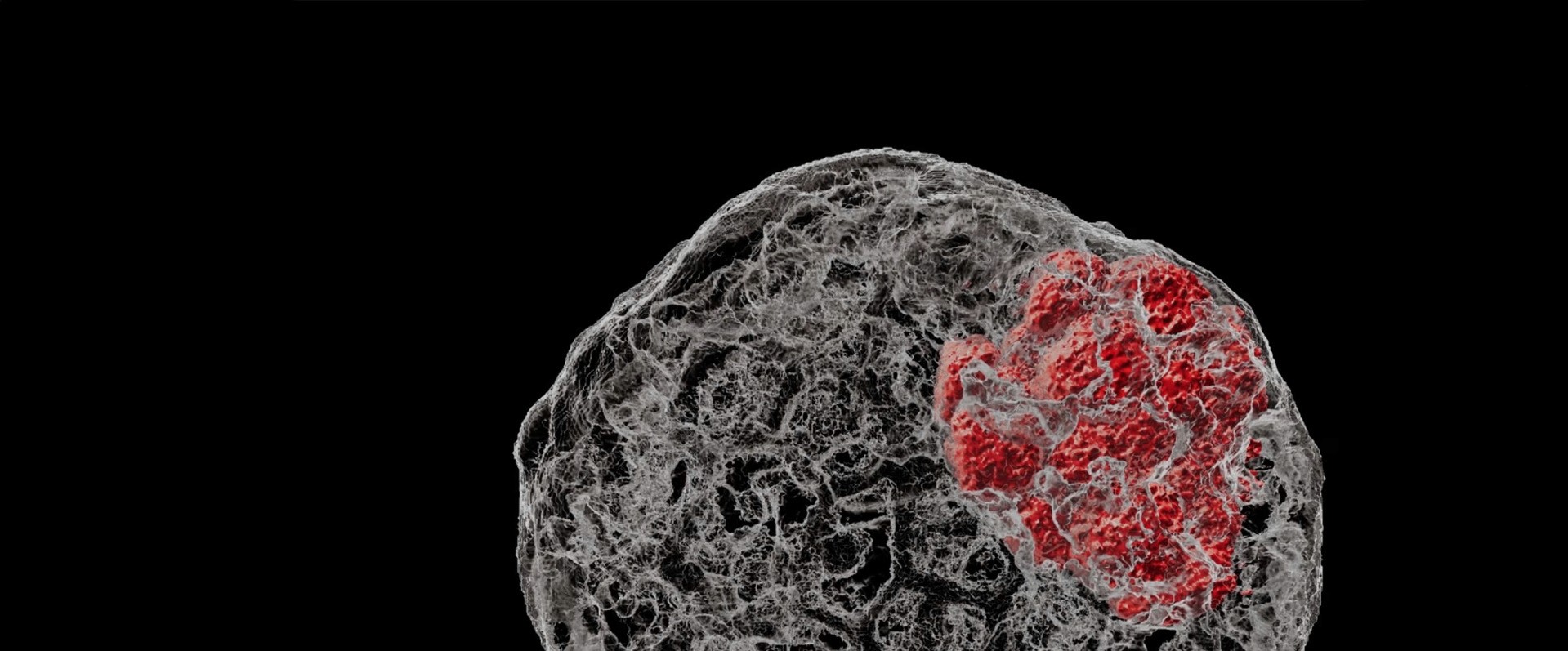
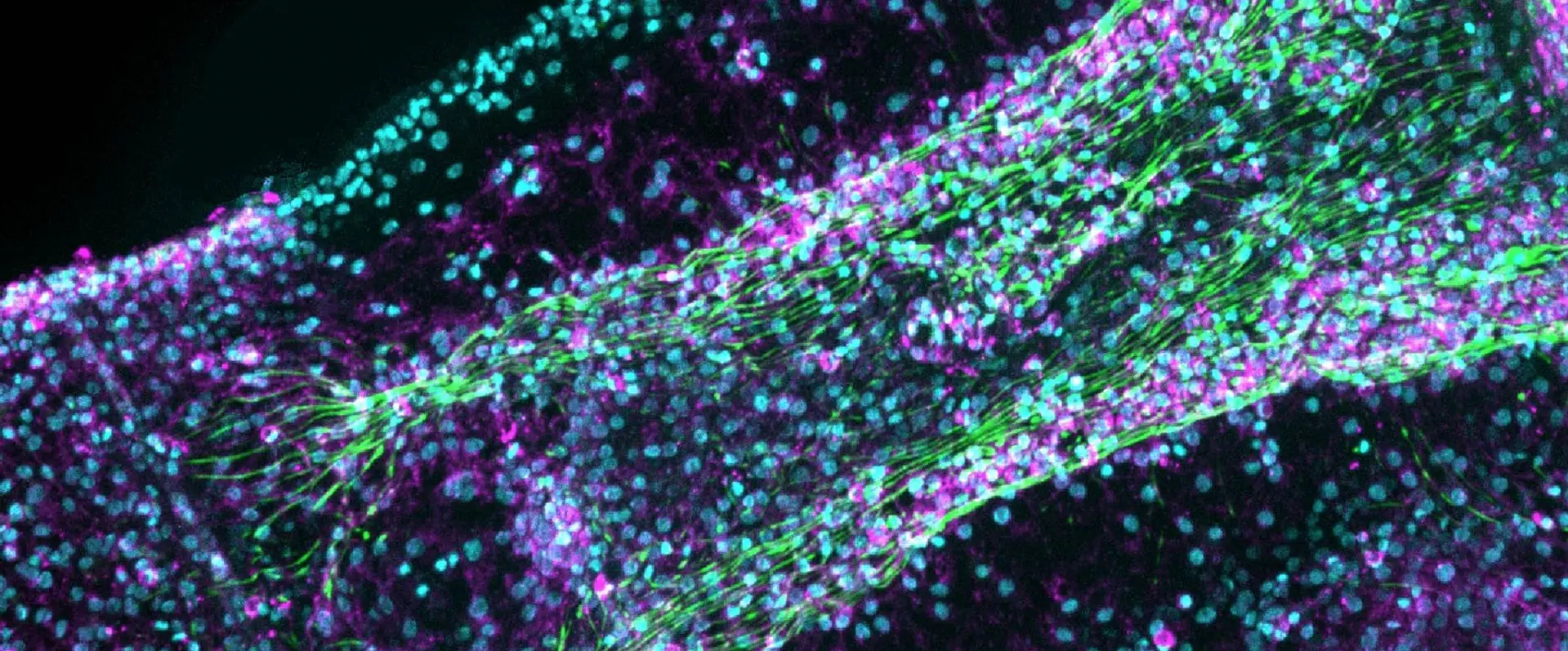
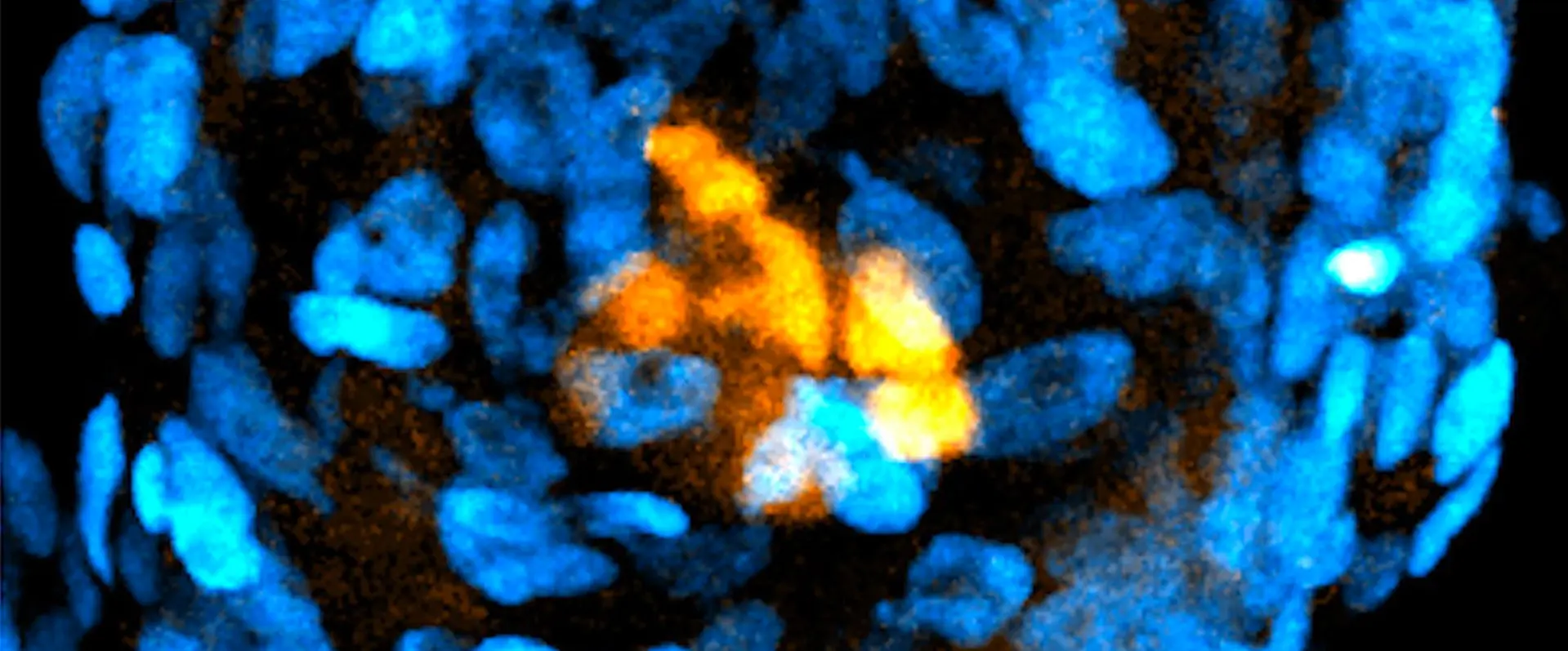
Now, researchers in the laboratory of Magdalena Zernicka-Goetz, Bren Professor of Biology and Biological Engineering at Caltech have created embryo-like structures out of human stem cells. In contrast to natural embryos that are formed by a combination of sperm and eggs, these structures are formed by combining so-called pluripotent stem cells, which have the ability to develop into specialized types of cells. Though these embryo-like structures have some key differences from real embryos, they will be critical in answering open questions about human development without the need for donated embryos.

The research is described in a paper appearing in the journal Nature Communications on September 21.

 Read more on Caltech’s site

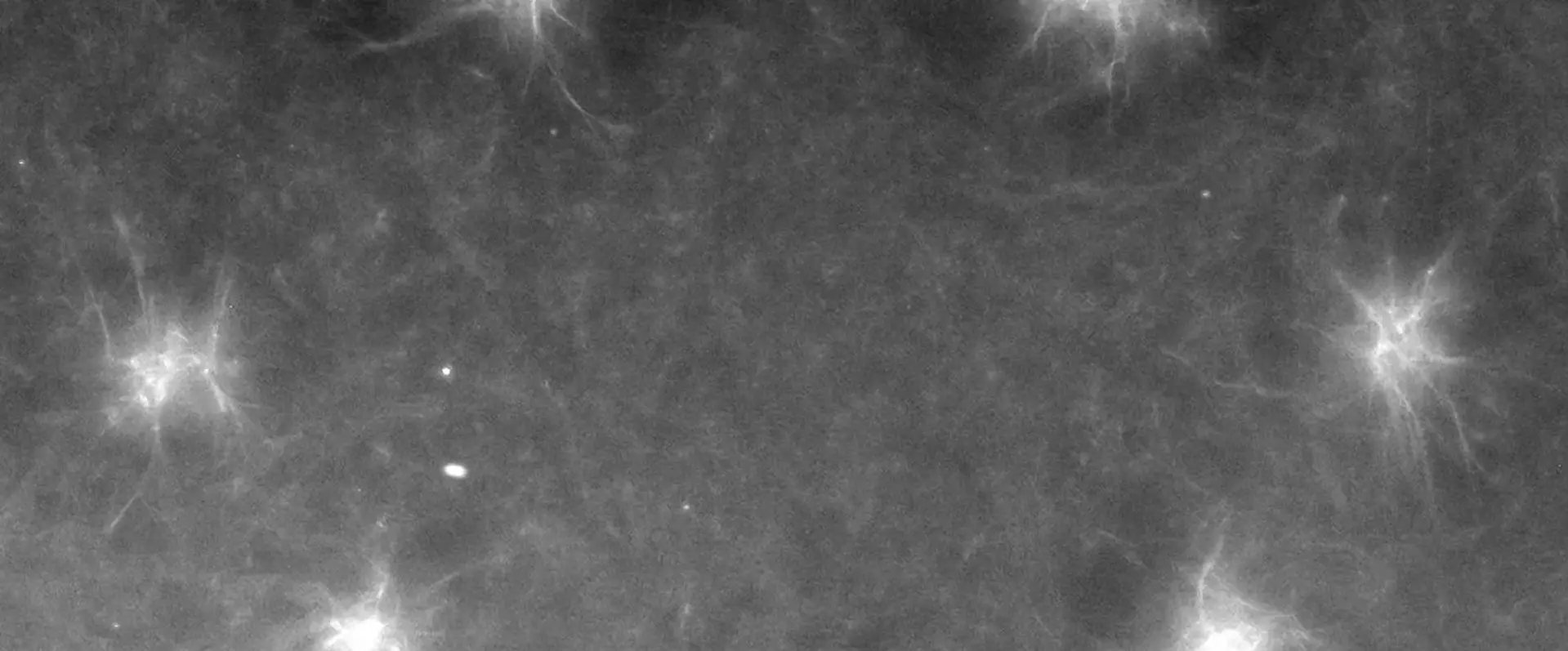
 Credit: Sozen, Jorgensen, and Zernicka-Goetz

Research on human embryos is vital to understanding the earliest stages of human development. Currently, this research is conducted on surplus embryos willingly donated by individuals who have undergone in vitro fertilization however this means the research is limited by availability of embryos and strict international ethical time limits on how long an embryo is allowed to develop in the laboratory.

Now, researchers in the laboratory of Magdalena Zernicka-Goetz, Bren Professor of Biology and Biological Engineering at Caltech have created embryo-like structures out of human stem cells. In contrast to natural embryos that are formed by a combination of sperm and eggs, these structures are formed by combining so-called pluripotent stem cells, which have the ability to develop into specialized types of cells. Though these embryo-like structures have some key differences from real embryos, they will be critical in answering open questions about human development without the need for donated embryos.

The research is described in a paper appearing in the journal Nature Communications on September 21.

 Read more on Caltech’s site

 Credit: Sozen, Jorgensen, and Zernicka-Goetz

Loading...
Loading...
Loading...
Loading...
Loading...
Loading...
Loading...

Cornerstone Partnerships

Frontier Labs

Documentary

Loading...

AI Prize

Chen Scholars Program

Training Programs

Stanford IPL

Loading...

AIAS 2025

Conference Program

Conference Partners

Conference Reports

About

Founders’ letter

Our Philanthropy

Vision

Team

Join Us

Newsroom

Chen Institute blog

Newsletter

Annual Report

© 2025 Tianqiao and Chrissy Chen Institute

Terms of Use

Privacy Policy

Contact us

Newsletter

Subscribe

We're Hiring!

Loading...

Cornerstone Partnerships

Frontier Labs

Documentary

Loading...

AI Prize

Chen Scholars Program

Training Programs

Stanford IPL

Loading...

AIAS 2025

Conference Program

Conference Partners

Conference Reports

About

Founders’ letter

Our Philanthropy

Vision

Team

Join Us

Newsroom

Chen Institute blog

Newsletter

Annual Report

© 2025 Tianqiao and Chrissy Chen Institute

Terms of Use

Privacy Policy

Contact us

Newsletter

Subscribe

We're Hiring!

Loading...

Cornerstone Partnerships

Frontier Labs

Documentary

Loading...

AI Prize

Chen Scholars Program

Training Programs

Stanford IPL

Loading...

AIAS 2025

Conference Program

Conference Partners

Conference Reports

About

Founders’ letter

Our Philanthropy

Vision

Team

Join Us

Newsroom

Chen Institute blog

Newsletter

Annual Report

© 2025 Tianqiao and Chrissy Chen Institute

Terms of Use

Privacy Policy

Contact us

Newsletter

Subscribe

We're Hiring!