Loading...
Loading...
Loading...

Mapping Millions of Cells in the Mouse Brain

Research News

|

Oct 8, 2021

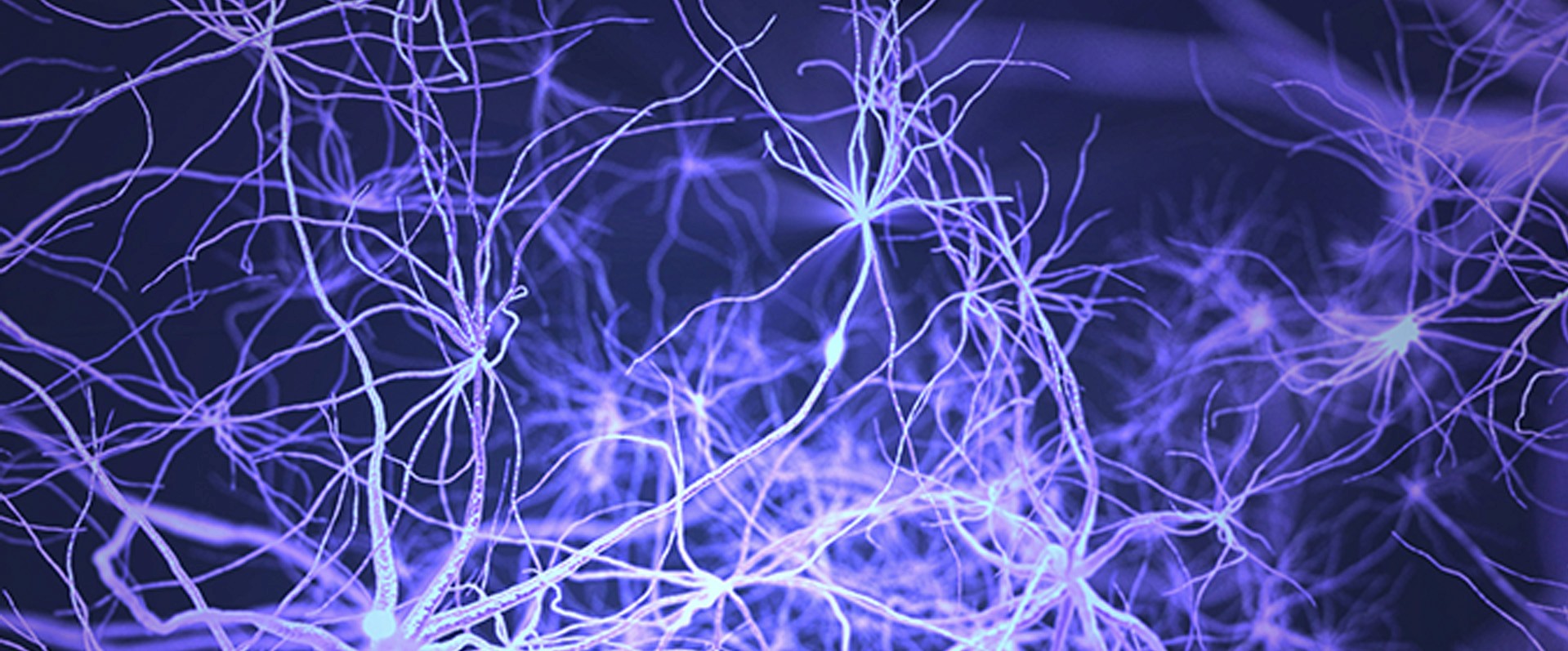
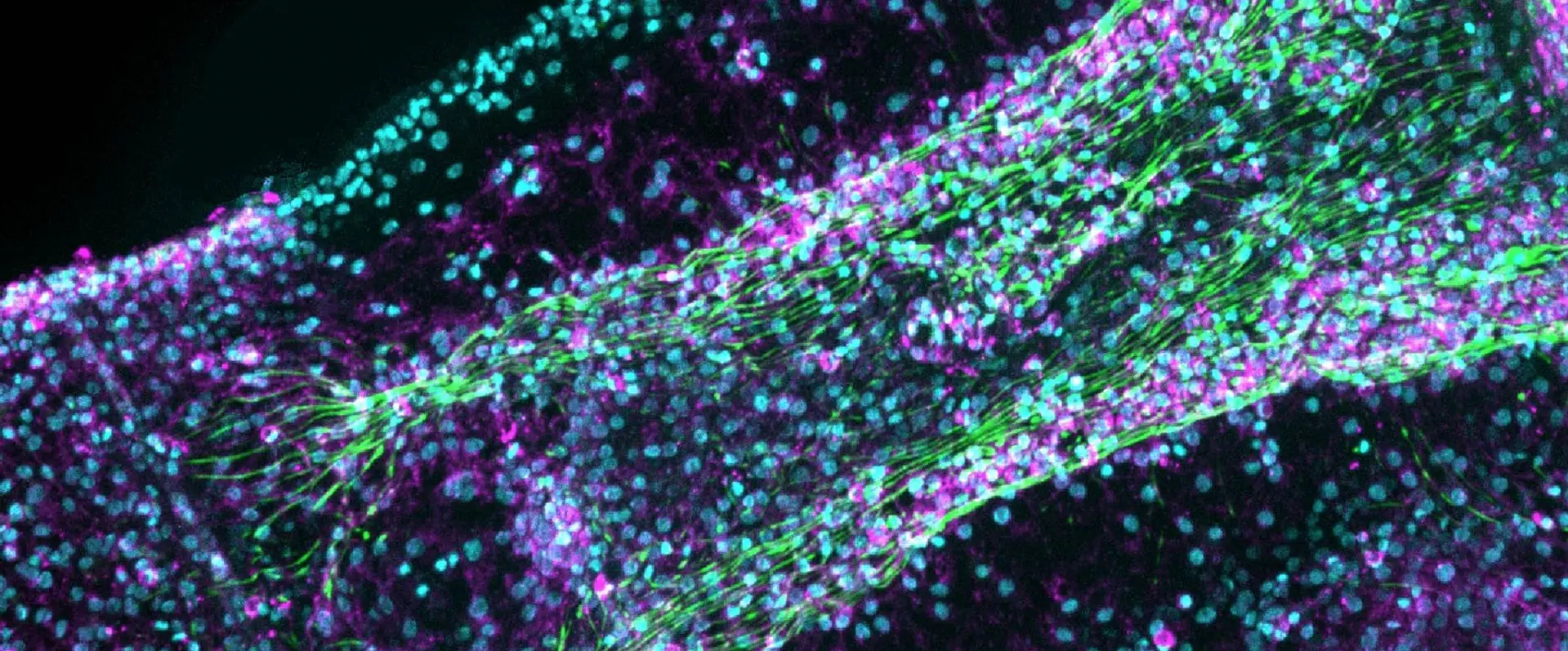
Building a map of the complex human brain and its approximately 100 billion individual neurons is no easy task. As a precursor to tackling that monumental challenge, researchers have started off with something smaller and easier—the mouse brain—in order to understand different cell types and how they are connected, and also to perfect the technological approaches to do so.

 Now, a new paper describes the minute genomic details of the mouse brain at unprecedented resolution and how several types of genomics techniques were combined to enable this analysis, which was led by graduate student A. Sina Booeshaghi (MS ’19).

 The study was primarily conducted in the laboratory of Lior Pachter (BS ’94), Bren Professor of Computational Biology and Computing and Mathematical Sciences, and is part of a collaboration called the Brain Research through Advancing Innovative Neurotechnologies (BRAIN) Initiative–Cell Census Network (BICCN), funded by the National Institutes of Health. This study and several other papers from the BICCN collaboration appear in the journal Nature on October 6.

 Read more on the TCCI® for Neuroscience site

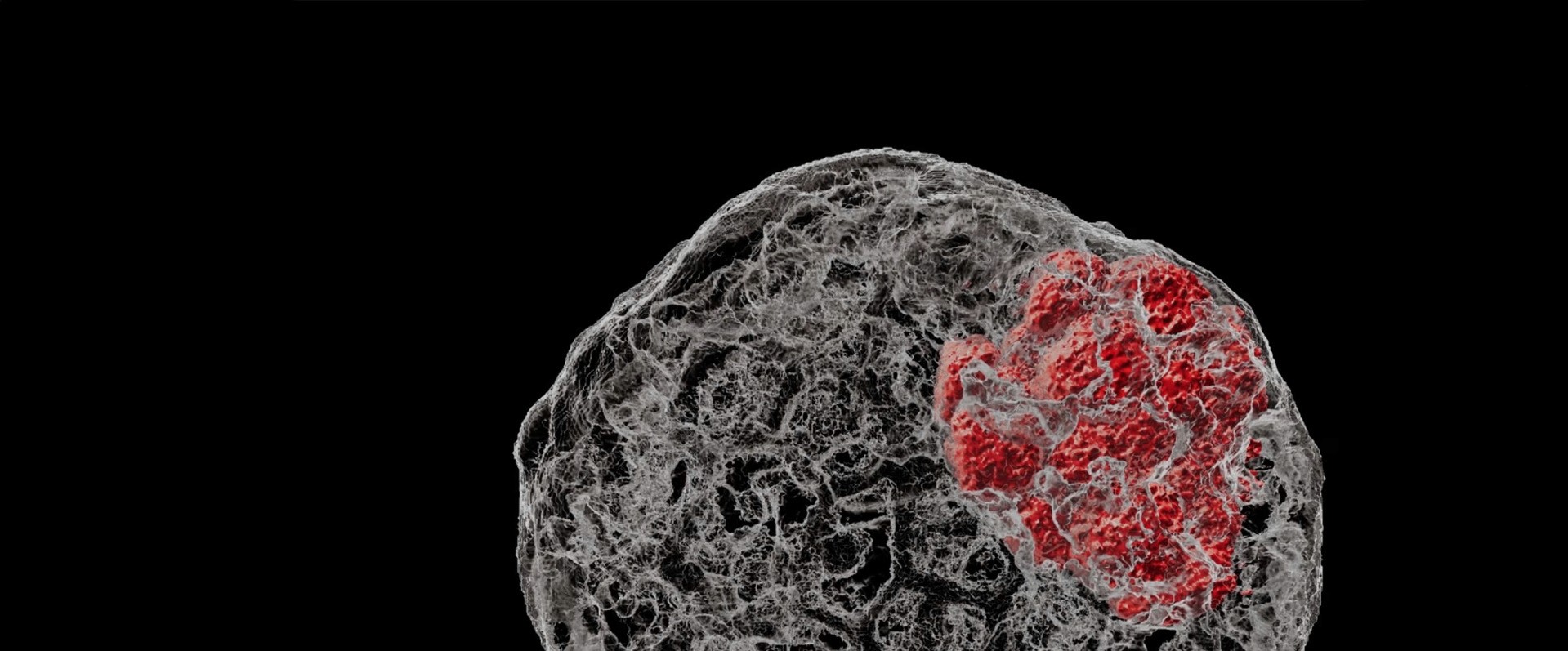
 Photo credit: Caltech

Building a map of the complex human brain and its approximately 100 billion individual neurons is no easy task. As a precursor to tackling that monumental challenge, researchers have started off with something smaller and easier—the mouse brain—in order to understand different cell types and how they are connected, and also to perfect the technological approaches to do so.

 Now, a new paper describes the minute genomic details of the mouse brain at unprecedented resolution and how several types of genomics techniques were combined to enable this analysis, which was led by graduate student A. Sina Booeshaghi (MS ’19).

 The study was primarily conducted in the laboratory of Lior Pachter (BS ’94), Bren Professor of Computational Biology and Computing and Mathematical Sciences, and is part of a collaboration called the Brain Research through Advancing Innovative Neurotechnologies (BRAIN) Initiative–Cell Census Network (BICCN), funded by the National Institutes of Health. This study and several other papers from the BICCN collaboration appear in the journal Nature on October 6.

 Read more on the TCCI® for Neuroscience site

 Photo credit: Caltech

Loading...
Loading...
Loading...
Loading...
Loading...
Loading...
Loading...

Cornerstone Partnerships

Frontier Labs

Documentary

Loading...

AI Prize

Chen Scholars Program

Training Programs

Stanford IPL

Loading...

AIAS 2025

Conference Program

Conference Partners

Conference Reports

About

Founders’ letter

Our Philanthropy

Vision

Team

Join Us

Newsroom

Chen Institute blog

Newsletter

Annual Report

© 2025 Tianqiao and Chrissy Chen Institute

Terms of Use

Privacy Policy

Contact us

Newsletter

Subscribe

We're Hiring!

Loading...

Cornerstone Partnerships

Frontier Labs

Documentary

Loading...

AI Prize

Chen Scholars Program

Training Programs

Stanford IPL

Loading...

AIAS 2025

Conference Program

Conference Partners

Conference Reports

About

Founders’ letter

Our Philanthropy

Vision

Team

Join Us

Newsroom

Chen Institute blog

Newsletter

Annual Report

© 2025 Tianqiao and Chrissy Chen Institute

Terms of Use

Privacy Policy

Contact us

Newsletter

Subscribe

We're Hiring!

Loading...

Cornerstone Partnerships

Frontier Labs

Documentary

Loading...

AI Prize

Chen Scholars Program

Training Programs

Stanford IPL

Loading...

AIAS 2025

Conference Program

Conference Partners

Conference Reports

About

Founders’ letter

Our Philanthropy

Vision

Team

Join Us

Newsroom

Chen Institute blog

Newsletter

Annual Report

© 2025 Tianqiao and Chrissy Chen Institute

Terms of Use

Privacy Policy

Contact us

Newsletter

Subscribe

We're Hiring!