Loading...
Loading...

Mapping Bacterial Neighborhoods in the Gut

Research News

|
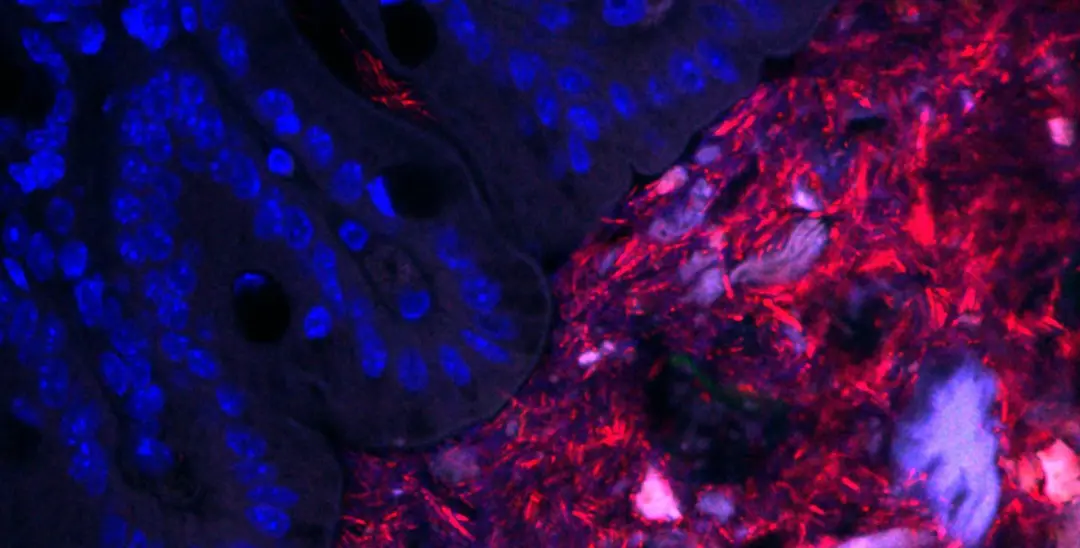
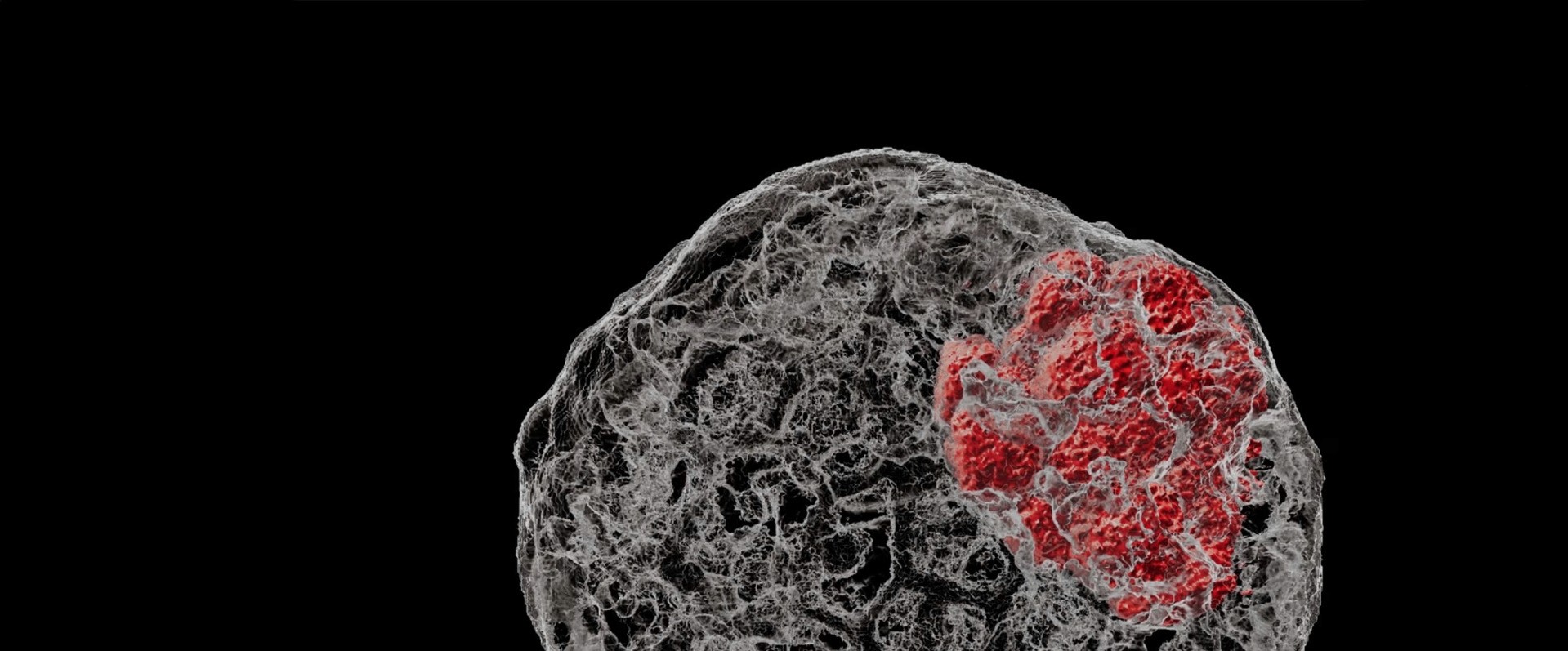
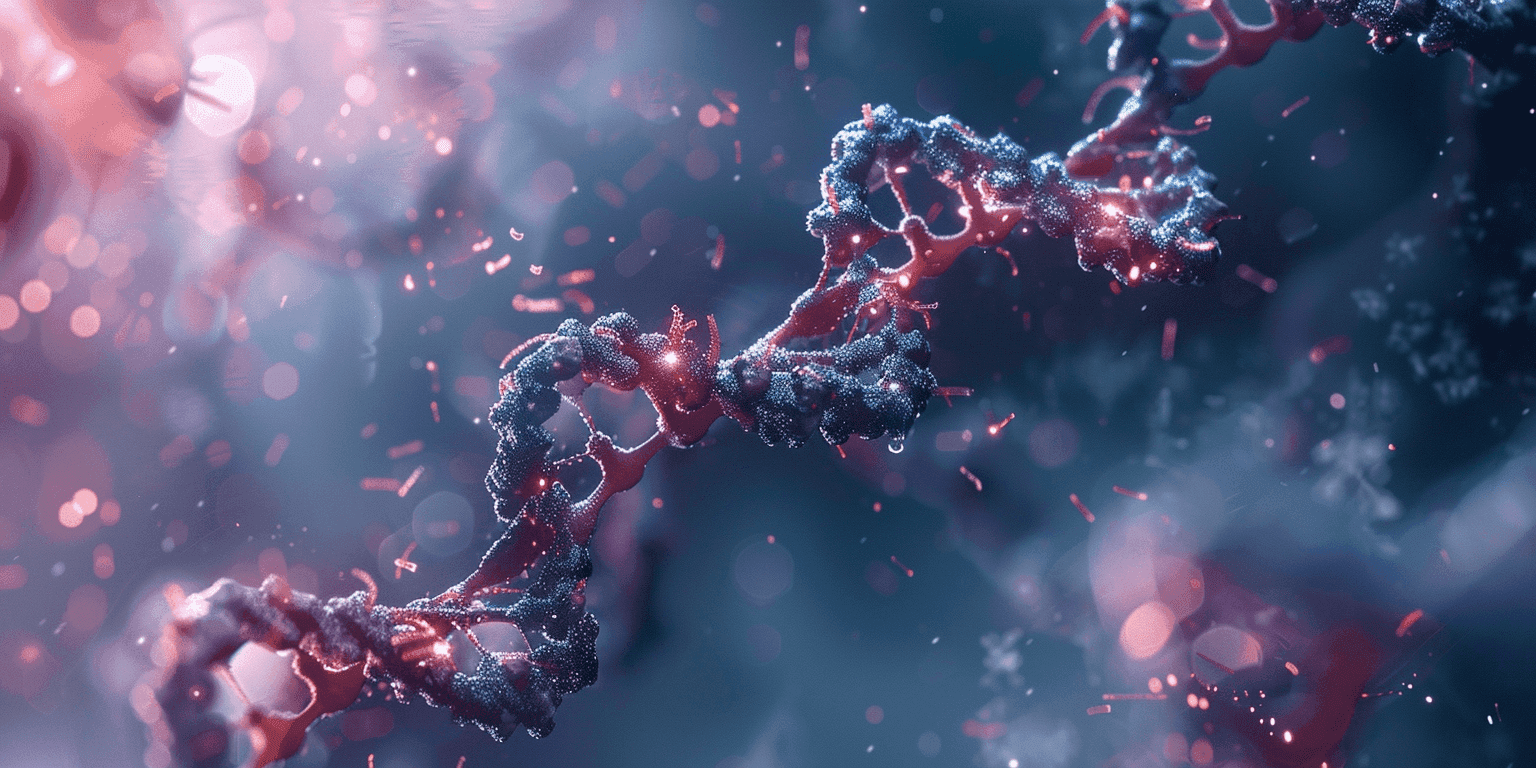
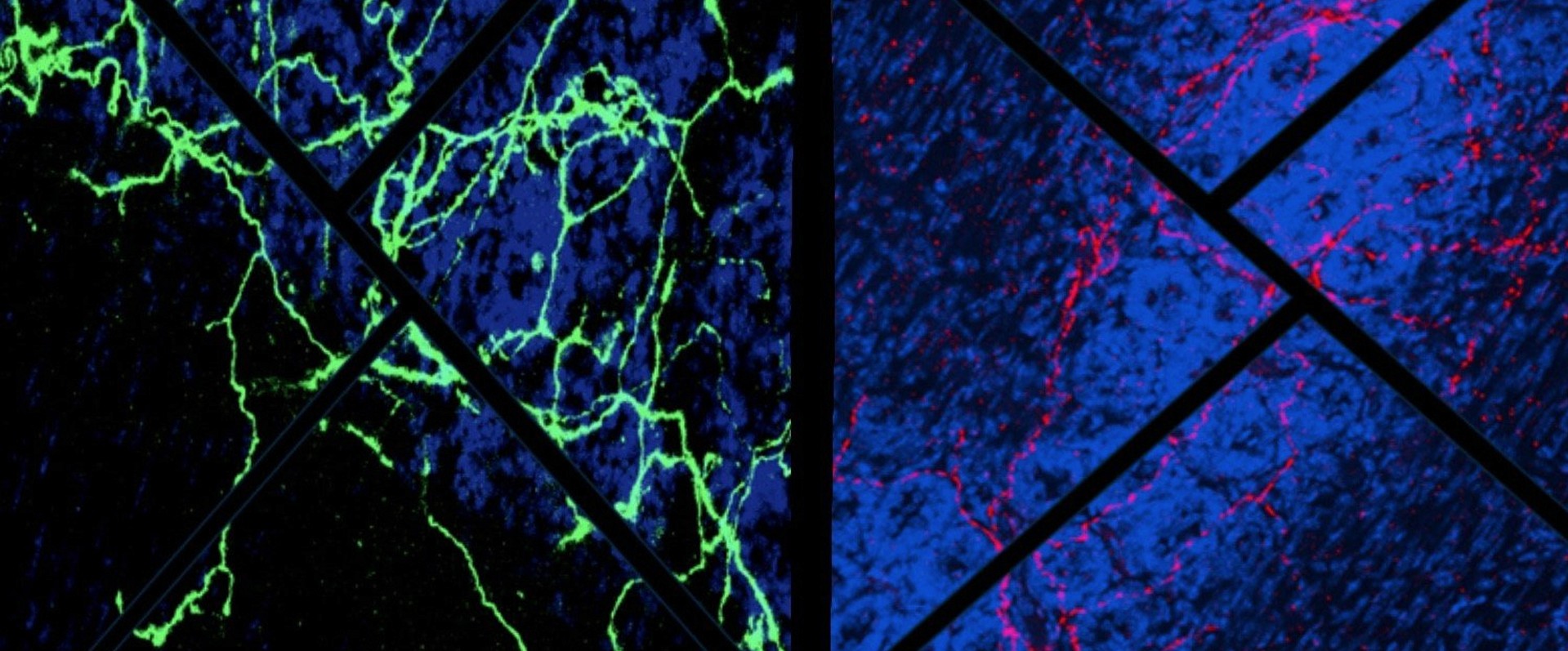
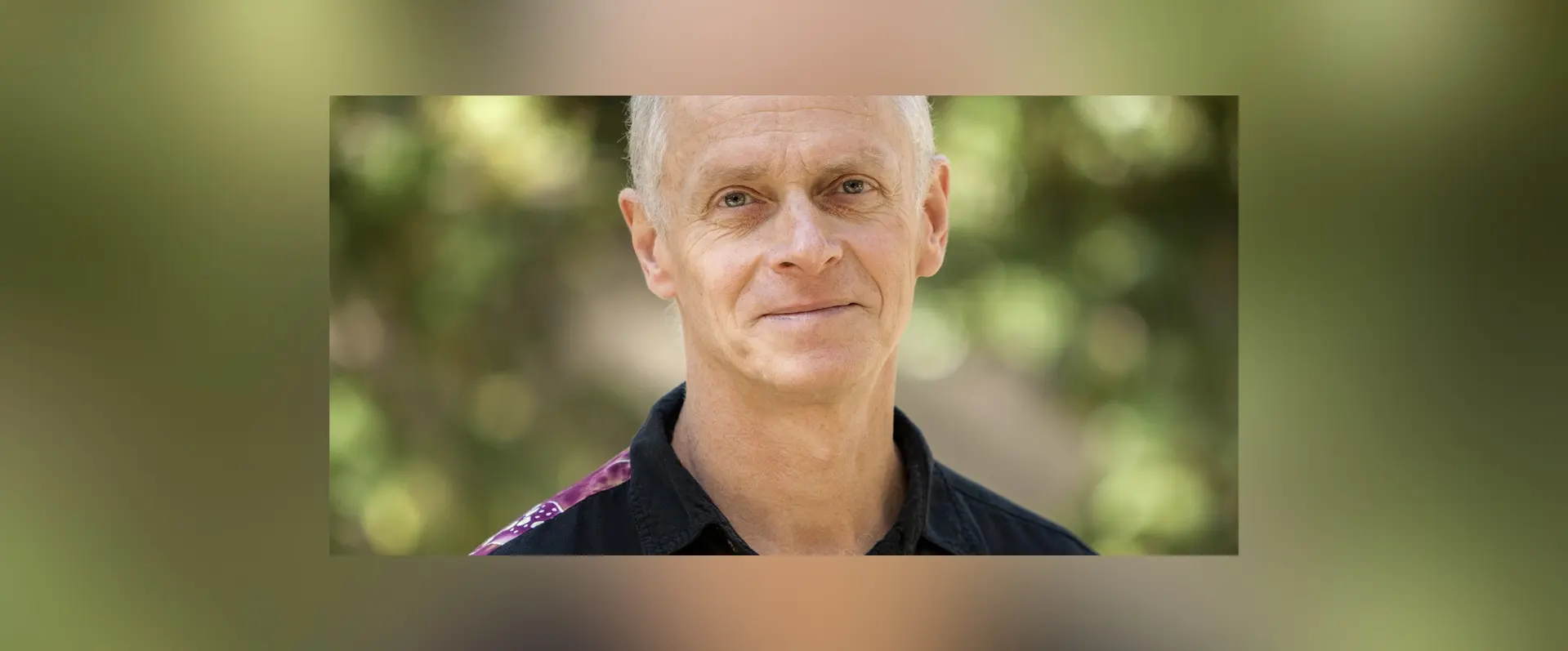
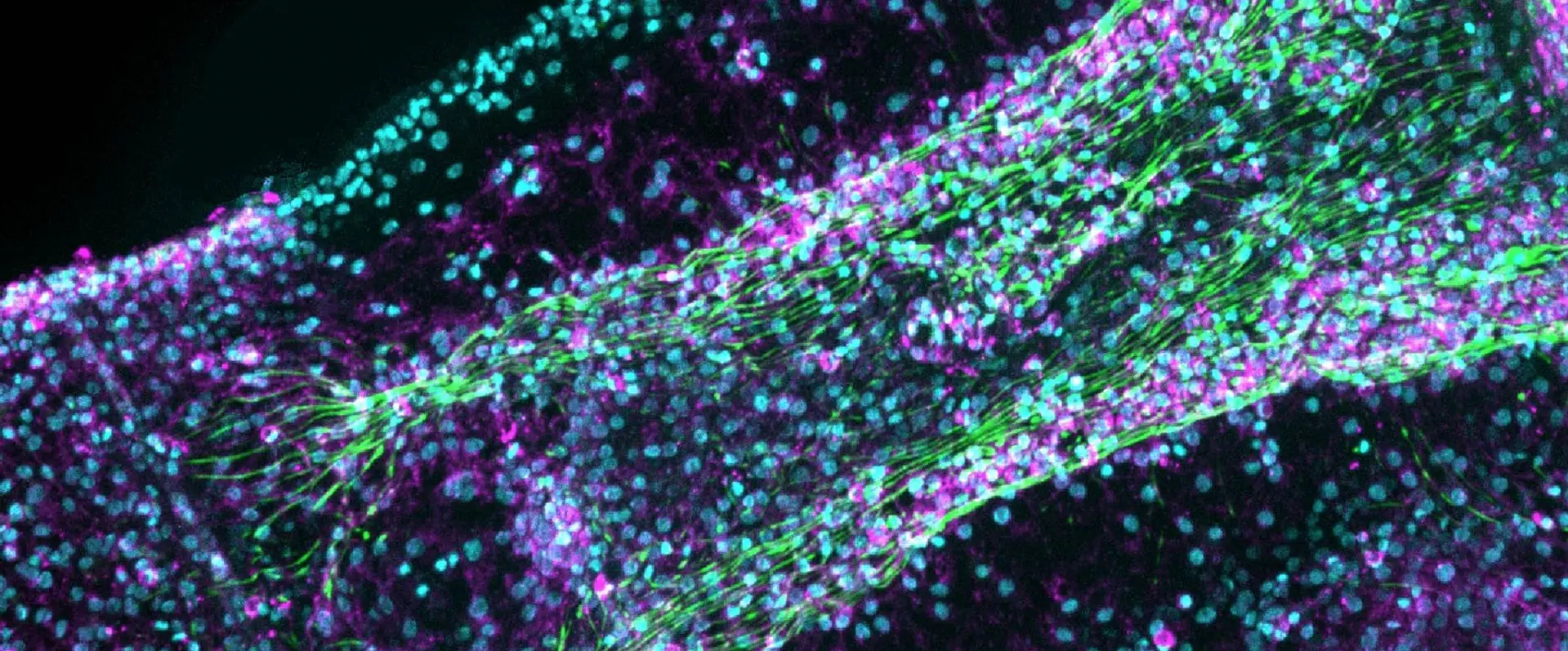
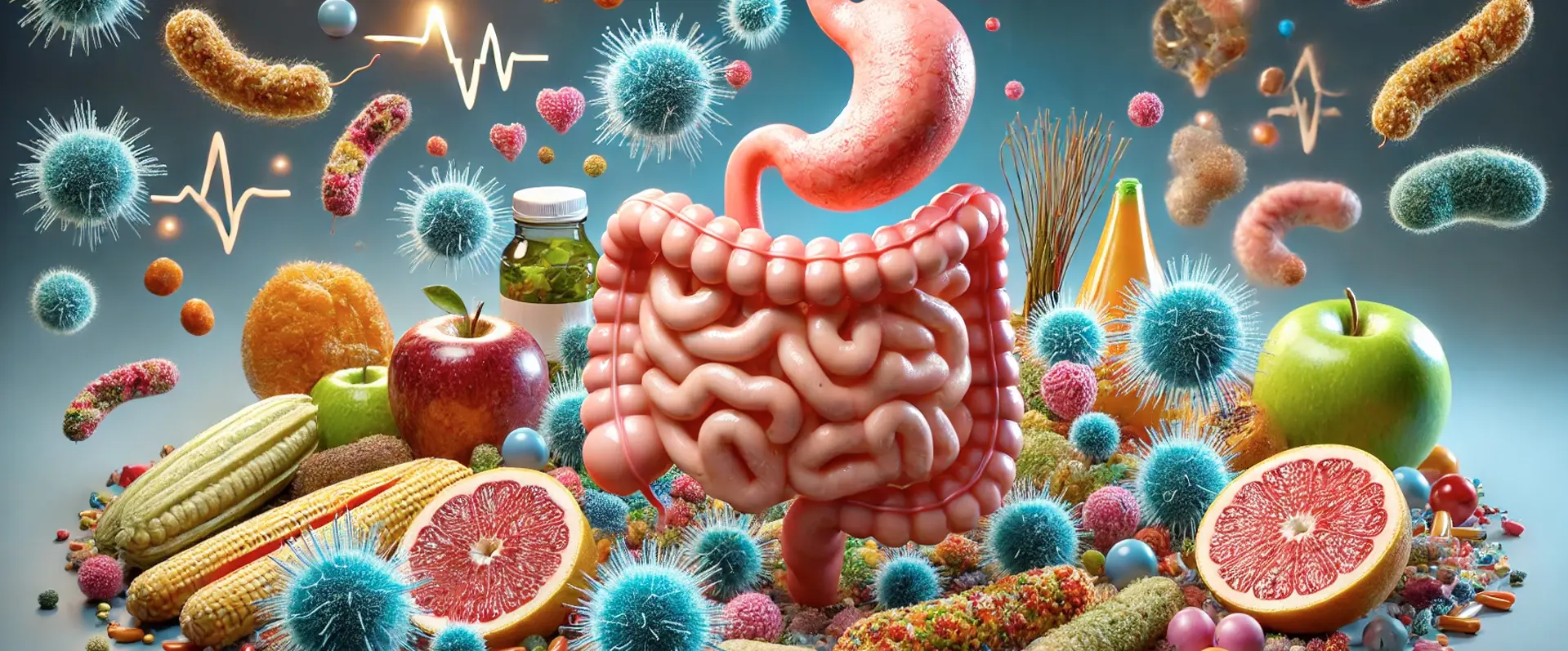
The microscopic populations of bacteria in our intestines are, in some ways, just like us: They live in communities, eat, work, reproduce, and eventually die. Some live in harmony with our bodies but others don’t, putting us at increased risk for a variety of diseases. Now, Caltech researchers in the laboratory of Sarkis Mazmanian, Luis B. and Nelly Soux Professor of Microbiology, Heritage Medical Research Institute Investigator and TCCI®-affiliated faculty member have discovered that a certain species of bacteria behaves differently depending on where in the gut it takes up residence.

Read more on Caltech’s website

Loading...
Cornerstone Partnerships

Frontier Labs

Documentary

Loading...

AI Prize

AI for Social Good

Stanford IPL

Loading...

AIAS 2026

Conference Program

Conference Partners

Conference Reports

About

Founders’ letter

Vision

Chen Scholars Program

Training Programs

Young Talent Collider

Join Us

Team

Newsroom

Chen Institute blog

Newsletter

Annual Report

© 2026 Tianqiao and Chrissy Chen Institute

Terms of Use

Privacy Policy

Contact us

Newsletter

Subscribe

Loading...

Cornerstone Partnerships

Frontier Labs

Documentary

Loading...

AI Prize

AI for Social Good

Stanford IPL

Loading...

AIAS 2026

Conference Program

Conference Partners

Conference Reports

About

Founders’ letter

Vision

Chen Scholars Program

Training Programs

Young Talent Collider

Join Us

Team

Newsroom

Chen Institute blog

Newsletter

Annual Report

© 2026 Tianqiao and Chrissy Chen Institute

Terms of Use

Privacy Policy

Contact us

Newsletter

Subscribe

Loading...

Cornerstone Partnerships

Frontier Labs

Documentary

Loading...

AI Prize

AI for Social Good

Stanford IPL

Loading...

AIAS 2026

Conference Program

Conference Partners

Conference Reports

About

Founders’ letter

Vision

Chen Scholars Program

Training Programs

Young Talent Collider

Join Us

Team

Newsroom

Chen Institute blog

Newsletter

Annual Report

© 2026 Tianqiao and Chrissy Chen Institute

Terms of Use

Privacy Policy

Contact us

Newsletter

Subscribe