Loading...
Loading...
Loading...

“Invisible” Cell Types and Gene Expression Revealed with Sequencing Data Analysis Improvement

Research News

|

Sep 11, 2023

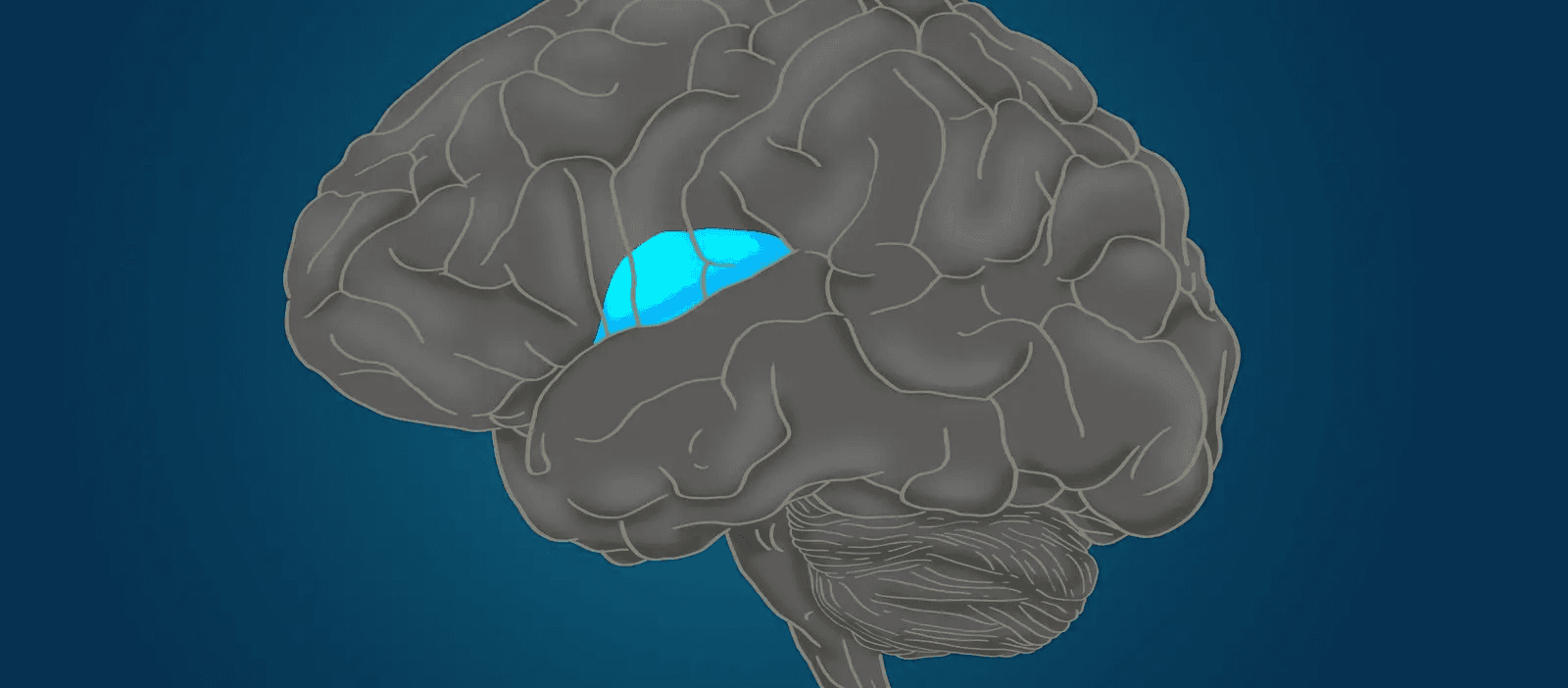
In 2018, researchers in the Caltech laboratory of Yuki Oka, Chen Scholar, professor of biology and Heritage Medical Research Institute Investigator, made a major discovery: they identified a type of neuron, or brain cell, that mediates thirst satiation. But they were running into a problem: a state-of-the-art technique called single-cell RNA sequencing (scRNA-seq) could not find those thirst-related neurons in samples of brain tissue (specifically, from a region called the media preoptic nucleus) that were known to contain them.

Identifying different cell types is critical to understanding the vast number of functions performed by our bodies, from healthy processes like sensing thirst to cellular malfunction in disease states. For example, many researchers are currently looking for cell types that may be linked to specific diseases, such as Parkinson’s Disease. Determining the precise cell types involved in such processes is critical for all of these studies. Now, a collaboration between the Oka laboratory at Caltech and the laboratory of Allan-Hermann Pool at University of Texas Southwestern Medical Center has demonstrated how to optimize a key step in scRNA-seq analysis to recover missing cell types and gene expression data that usually gets discarded.

A paper describing the work appears in the journal Nature Methods on September 11.

Read more on the TCCI for Neuroscience website

In 2018, researchers in the Caltech laboratory of Yuki Oka, Chen Scholar, professor of biology and Heritage Medical Research Institute Investigator, made a major discovery: they identified a type of neuron, or brain cell, that mediates thirst satiation. But they were running into a problem: a state-of-the-art technique called single-cell RNA sequencing (scRNA-seq) could not find those thirst-related neurons in samples of brain tissue (specifically, from a region called the media preoptic nucleus) that were known to contain them.

Identifying different cell types is critical to understanding the vast number of functions performed by our bodies, from healthy processes like sensing thirst to cellular malfunction in disease states. For example, many researchers are currently looking for cell types that may be linked to specific diseases, such as Parkinson’s Disease. Determining the precise cell types involved in such processes is critical for all of these studies. Now, a collaboration between the Oka laboratory at Caltech and the laboratory of Allan-Hermann Pool at University of Texas Southwestern Medical Center has demonstrated how to optimize a key step in scRNA-seq analysis to recover missing cell types and gene expression data that usually gets discarded.

A paper describing the work appears in the journal Nature Methods on September 11.

Read more on the TCCI for Neuroscience website

Loading...
Loading...
Loading...
Loading...
Loading...
Loading...
Loading...

Cornerstone Partnerships

Frontier Labs

Documentary

Loading...

AI Prize

Chen Scholars Program

Training Programs

Stanford IPL

Loading...

AIAS 2025

Conference Program

Conference Partners

Conference Reports

About

Founders’ letter

Our Philanthropy

Vision

Team

Join Us

Newsroom

Chen Institute blog

Newsletter

Annual Report

© 2025 Tianqiao and Chrissy Chen Institute

Terms of Use

Privacy Policy

Contact us

Newsletter

Subscribe

We're Hiring!

Loading...

Cornerstone Partnerships

Frontier Labs

Documentary

Loading...

AI Prize

Chen Scholars Program

Training Programs

Stanford IPL

Loading...

AIAS 2025

Conference Program

Conference Partners

Conference Reports

About

Founders’ letter

Our Philanthropy

Vision

Team

Join Us

Newsroom

Chen Institute blog

Newsletter

Annual Report

© 2025 Tianqiao and Chrissy Chen Institute

Terms of Use

Privacy Policy

Contact us

Newsletter

Subscribe

We're Hiring!

Loading...

Cornerstone Partnerships

Frontier Labs

Documentary

Loading...

AI Prize

Chen Scholars Program

Training Programs

Stanford IPL

Loading...

AIAS 2025

Conference Program

Conference Partners

Conference Reports

About

Founders’ letter

Our Philanthropy

Vision

Team

Join Us

Newsroom

Chen Institute blog

Newsletter

Annual Report

© 2025 Tianqiao and Chrissy Chen Institute

Terms of Use

Privacy Policy

Contact us

Newsletter

Subscribe

We're Hiring!