Imagine That: Brain Uses Neurons from Vision System When Forming Mental Imagery
Research News
|

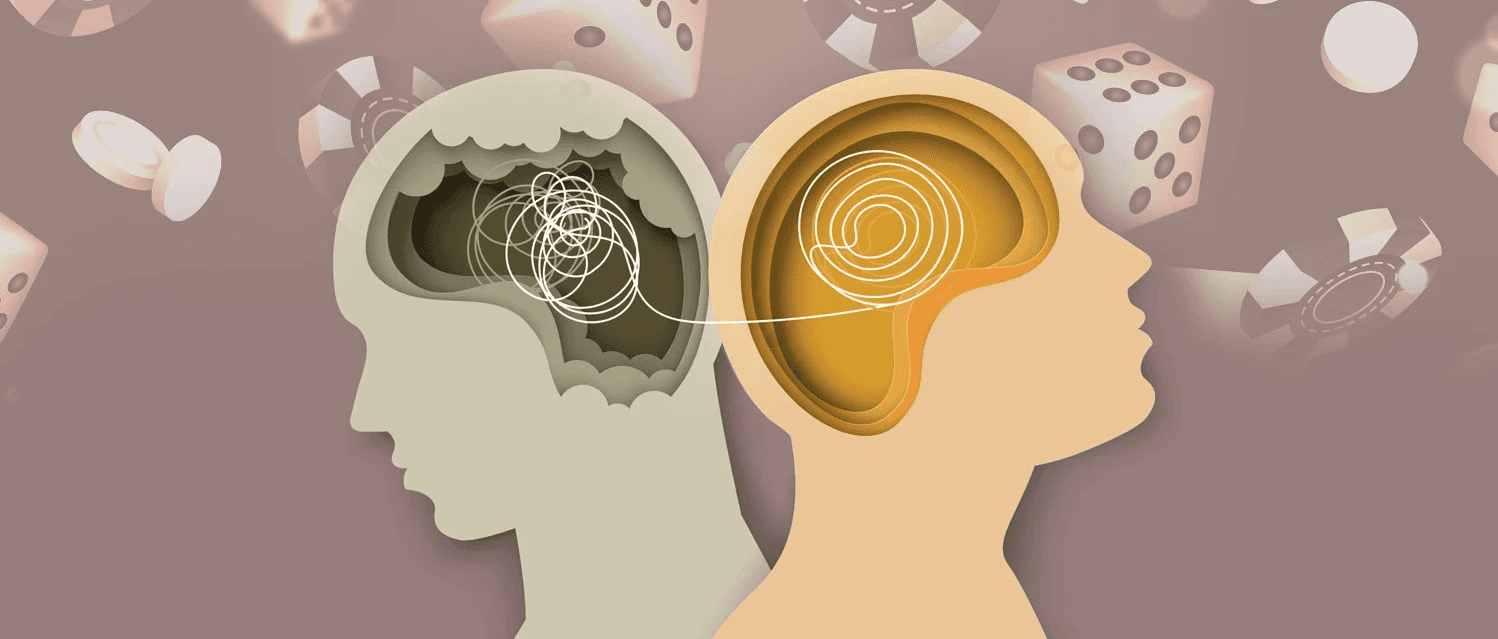
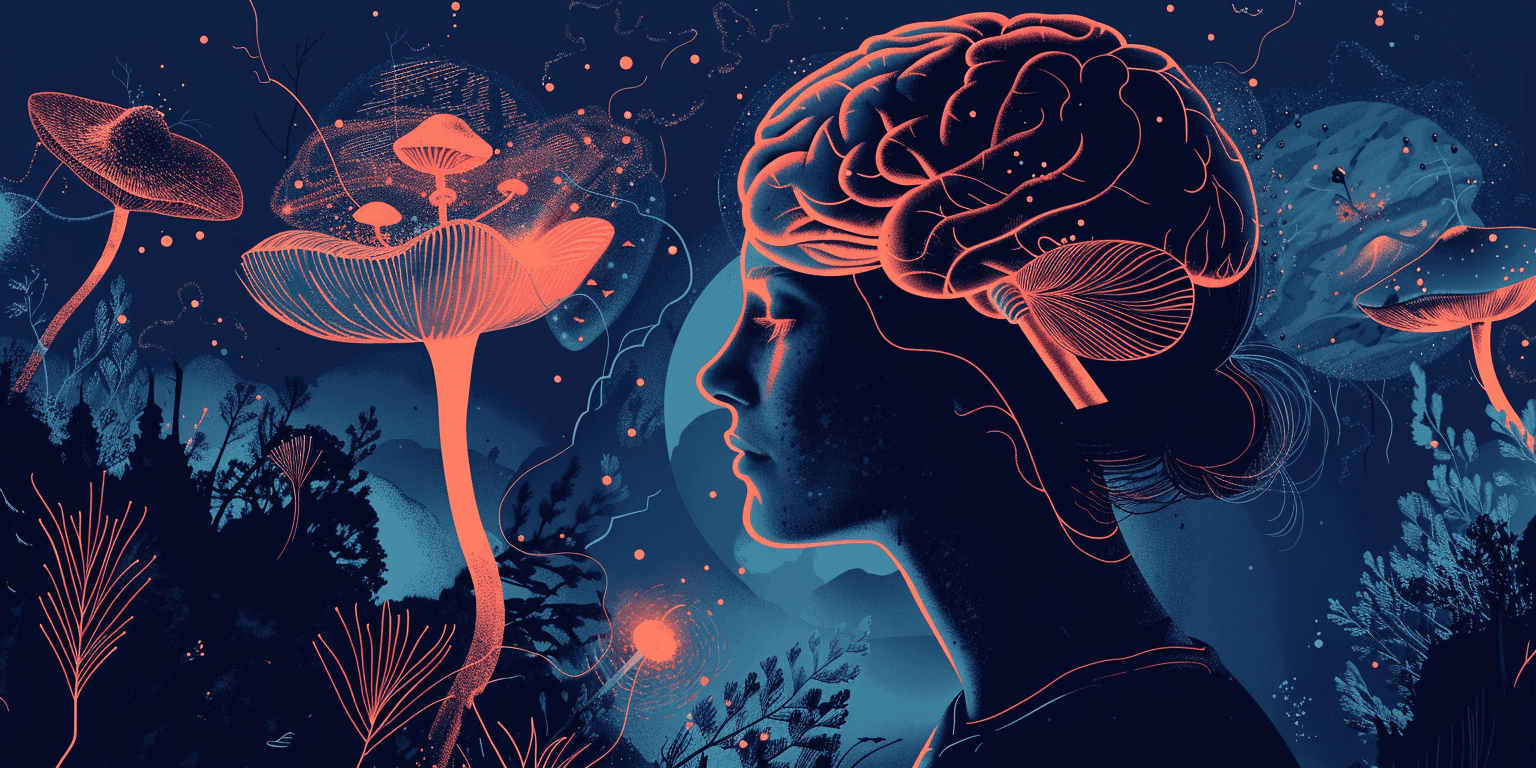
Creative endeavors, like making art, writing music, or penning a poem, require the recall of memories to fuel imagination. Many other human behaviors, including problem solving, also rely on mental imagery to complete tasks, but little was known about how imagery works at the level of single neurons in the brain—until now.
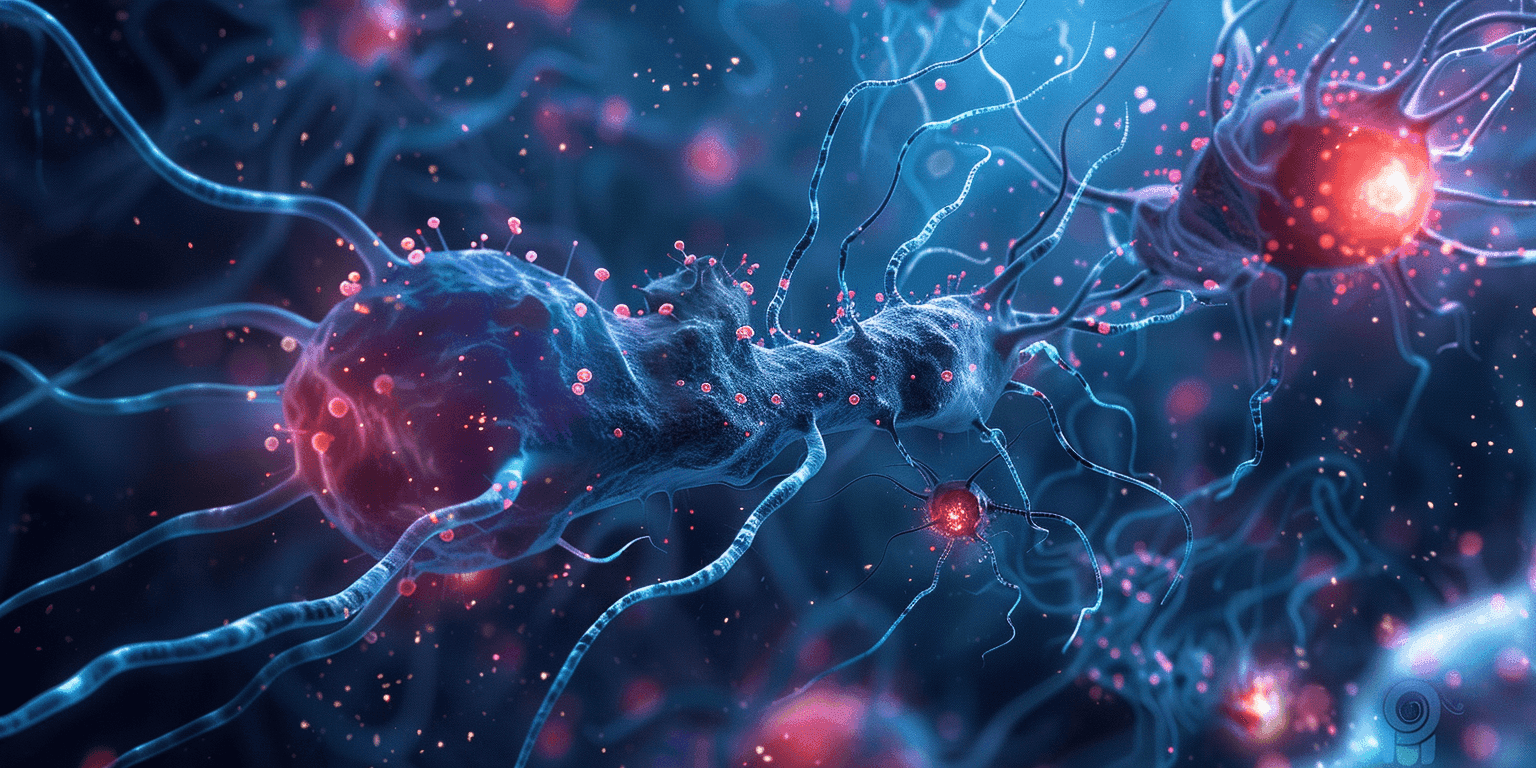
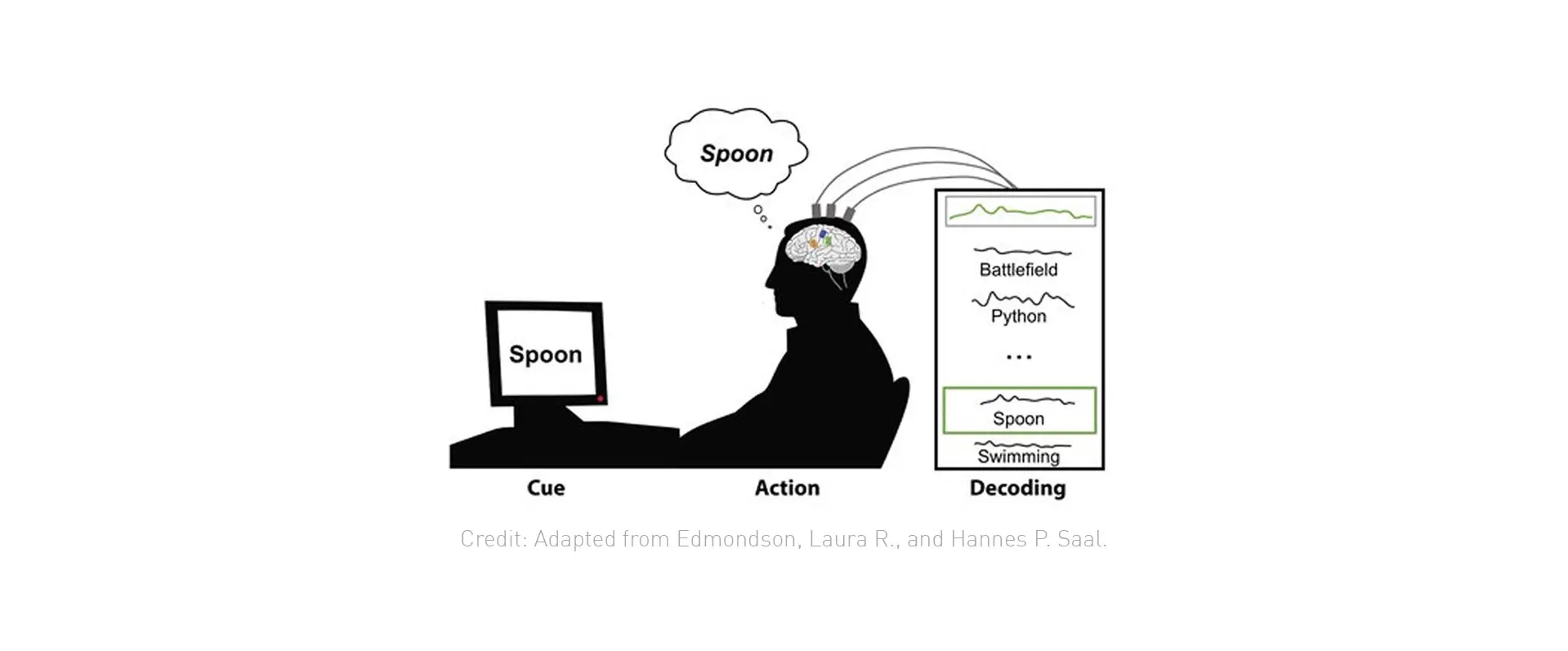
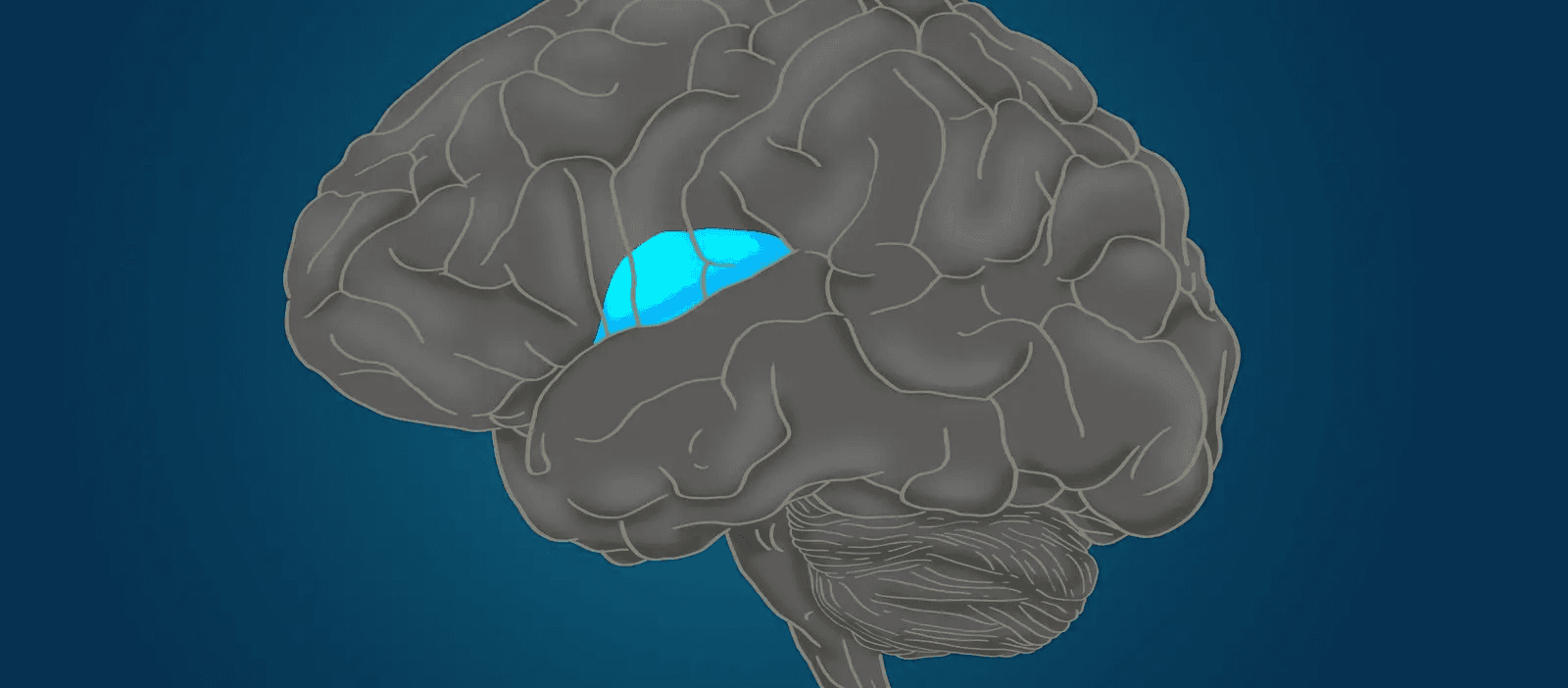
Varun Wadia (PhD '23), a former graduate student in neurobiology at Caltech and now a postdoctoral scholar at Cedars-Sinai, and a team of scientists and physicians have found that many of the same neurons that are active when looking at an object are also active when imagining that object from memory. The findings could help develop defenses against diseases that cause memory loss, like Alzheimer's, and assist in building more efficient artificial intelligence platforms. A paper published April 9, 2026, in the journal Science outlines the researchers' process and findings.
"We were very interested in trying to understand the mechanisms of mental imagery because they permeate many interesting human behaviors," says Wadia, who is first author of the study and whose thesis work forms the core of the paper. "What we saw is that when you imagine something you've seen before, your visual system is being put into the state that it was in when you first looked at it."
The new study builds on work by Doris Tsao (BS '96), a professor in neurobiology at UC Berkeley who was a Caltech faculty member from 2009 to 2021 and is a senior author of the paper. Tsao, who served as Wadia's PhD advisor, studies the representations of visual objects in nonhuman primates. Her research has found the mechanism that the brain uses to represent facial identity and the mathematical system used by the brain to organize visual objects, among other discoveries.
Read more on the Caltech website.