Loading...
Loading...
Loading...

The Science of Underground Kingdoms

Research News

|
Aug 23, 2021

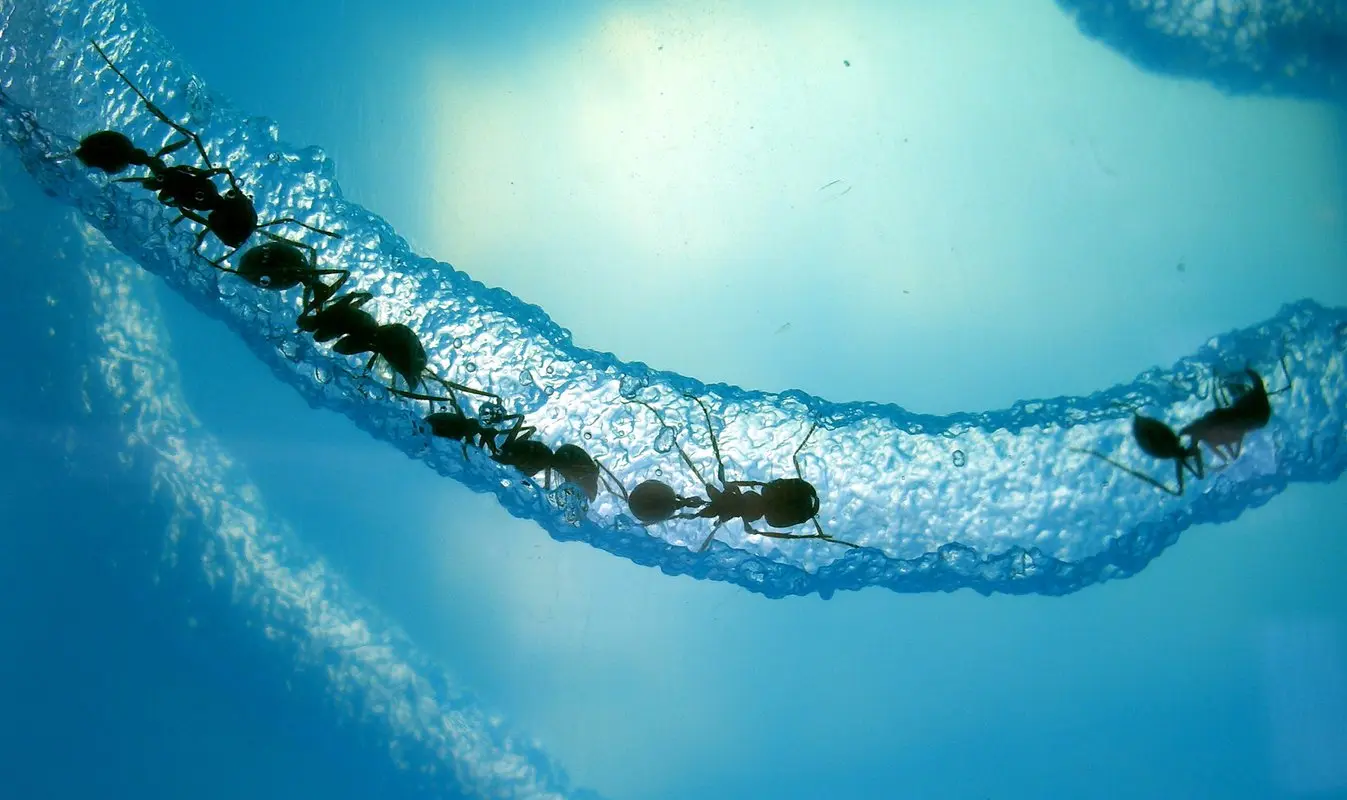
Anthills…a mound of crumbly dirt to many but look closely and you’ll discover tunnels diving downward, branching and leading to specialized chambers that serve as home for the colony’s queen, as nurseries for its young, as farms for fungus cultivated for food, and as dumps for its trash. These are underground cities, some of them home to millions of individuals, reaching as far as 25 feet underground and often lasting for decades.

But what motivates and informs ants’ abilities to create these amazing structures? An interdisciplinary research team including Jose Andrade, the George W. Housner Professor of Civil and Mechanical Engineering at Caltech and Joe Parker, assistant professor of biology and biological engineering, whose research focuses on ants and their ecological relationships with other species, recently published a paper published in the journal Proceedings of the National Academy of Sciences exploring these very questions, research that will help humans not only improve our ability to dig underground but also understand motivating factors of the brain.

Read more on TCCI® for Neuroscience site

Photo Credit: Steve Jurvetson/Wikimedia Commons

Anthills…a mound of crumbly dirt to many but look closely and you’ll discover tunnels diving downward, branching and leading to specialized chambers that serve as home for the colony’s queen, as nurseries for its young, as farms for fungus cultivated for food, and as dumps for its trash. These are underground cities, some of them home to millions of individuals, reaching as far as 25 feet underground and often lasting for decades.

But what motivates and informs ants’ abilities to create these amazing structures? An interdisciplinary research team including Jose Andrade, the George W. Housner Professor of Civil and Mechanical Engineering at Caltech and Joe Parker, assistant professor of biology and biological engineering, whose research focuses on ants and their ecological relationships with other species, recently published a paper published in the journal Proceedings of the National Academy of Sciences exploring these very questions, research that will help humans not only improve our ability to dig underground but also understand motivating factors of the brain.

Read more on TCCI® for Neuroscience site

Photo Credit: Steve Jurvetson/Wikimedia Commons

Loading...
Loading...
Loading...
Loading...
Loading...
Loading...
Loading...

Cornerstone Partnerships
Frontier Labs

Documentary

Loading...

AI Prize

Chen Scholars Program

Training Programs

Stanford IPL

Loading...

AIAS 2025

Conference Program

Conference Partners

Conference Reports

About

Founders’ letter

Our Philanthropy

Vision

Team

Join Us

Newsroom

Chen Institute blog

Newsletter

Annual Report

© 2025 Tianqiao and Chrissy Chen Institute

Terms of Use

Privacy Policy

Contact us

Newsletter

Subscribe

We're Hiring!

Loading...

Cornerstone Partnerships

Frontier Labs

Documentary

Loading...

AI Prize

Chen Scholars Program

Training Programs

Stanford IPL

Loading...

AIAS 2025

Conference Program

Conference Partners

Conference Reports

About

Founders’ letter

Our Philanthropy

Vision

Team

Join Us

Newsroom

Chen Institute blog

Newsletter

Annual Report

© 2025 Tianqiao and Chrissy Chen Institute

Terms of Use

Privacy Policy

Contact us

Newsletter

Subscribe

We're Hiring!

Loading...

Cornerstone Partnerships

Frontier Labs

Documentary

Loading...

AI Prize

Chen Scholars Program

Training Programs

Stanford IPL

Loading...

AIAS 2025

Conference Program

Conference Partners

Conference Reports

About

Founders’ letter

Our Philanthropy

Vision

Team

Join Us

Newsroom

Chen Institute blog

Newsletter

Annual Report

© 2025 Tianqiao and Chrissy Chen Institute

Terms of Use

Privacy Policy

Contact us

Newsletter

Subscribe

We're Hiring!