Loading...
Loading...
Loading...

The Brain Quenches Thirst in Different Ways

Research News

|
Oct 14, 2020

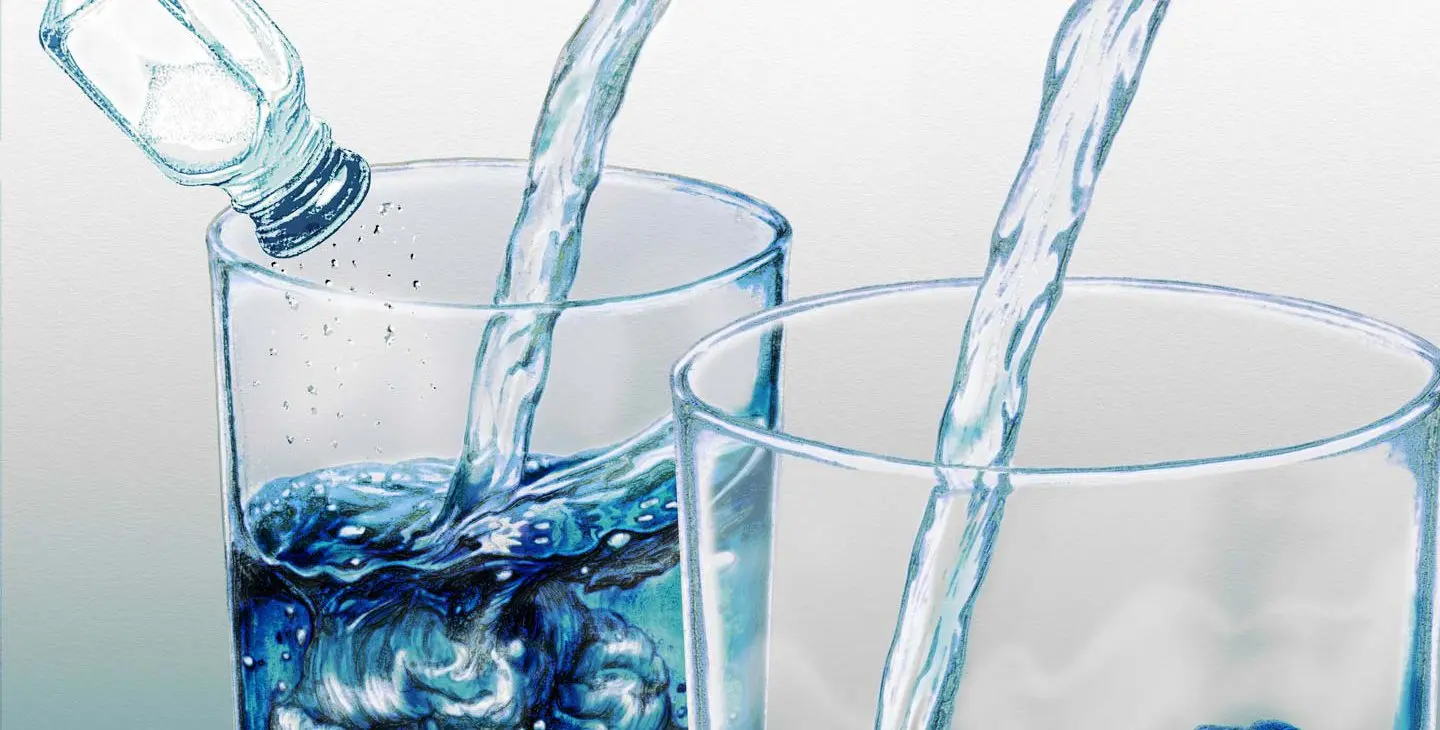
After eating a bag of salty potato chips, you probably feel thirsty. And after a long period of exercise, you also probably feel thirsty. However, these two types of thirst are not the same. In the first example, you would likely reach for water. This is because after eating chips, the concentration of salts and minerals in your blood becomes elevated, which induces a state called osmotic thirst. On the other hand, after exercising, you are likely to reach for Gatorade or some other fluid that can both rehydrate you and replenish electrolytes. This thirst, called hypovolemic thirst, occurs when the volume of your blood is reduced due to fluid loss from sweating.

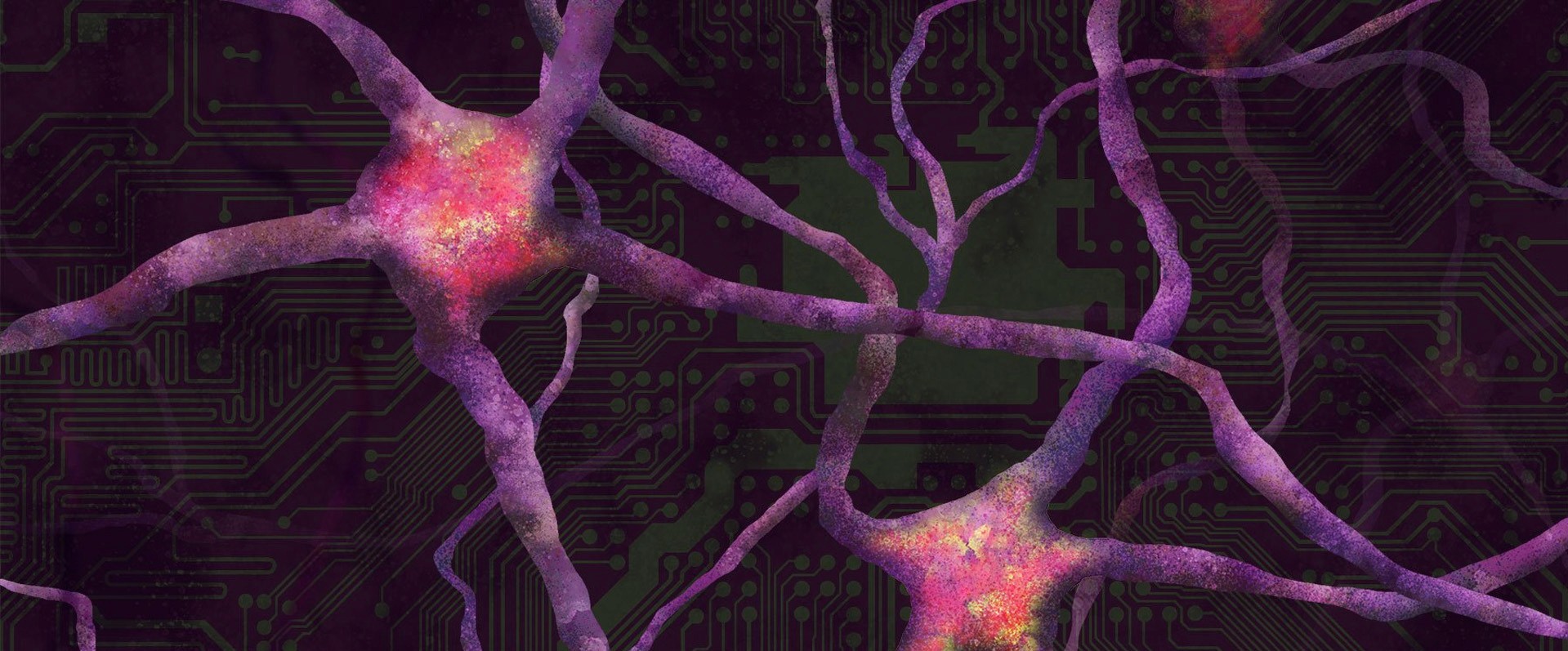
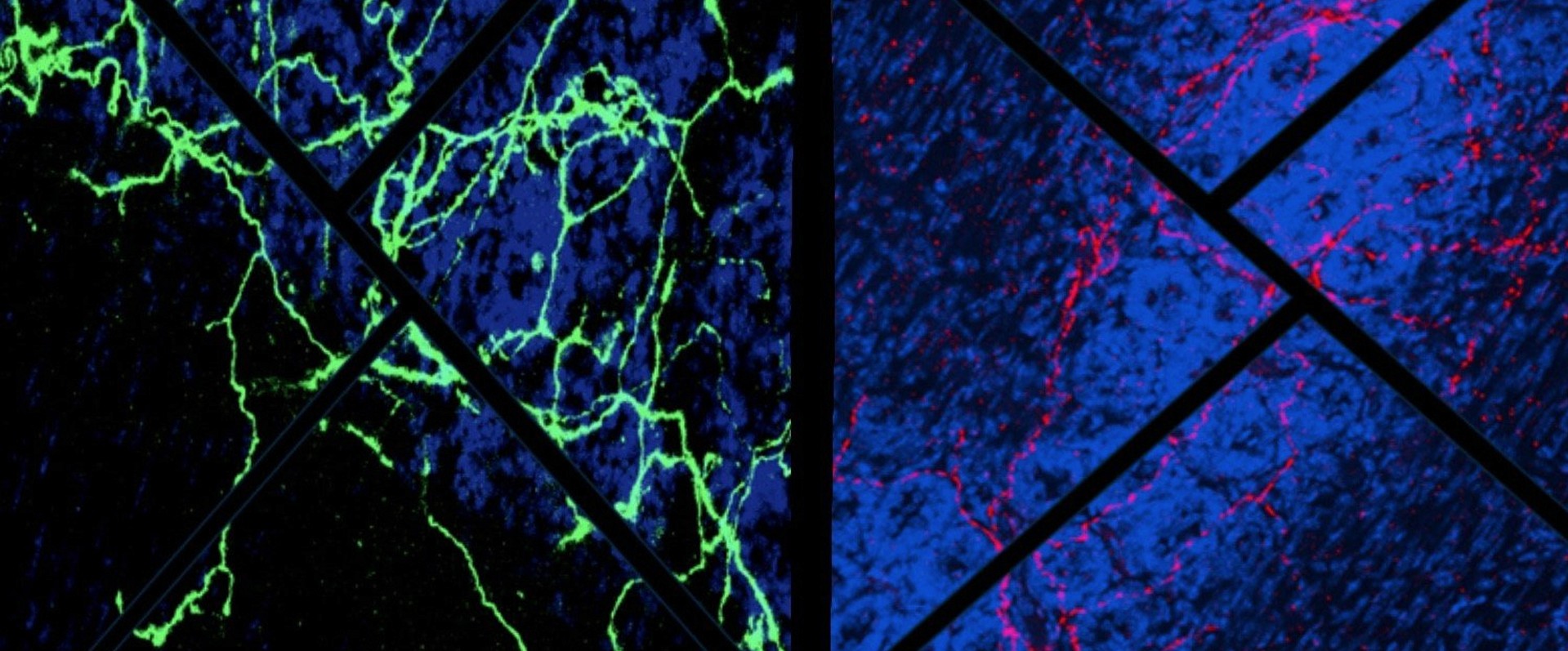
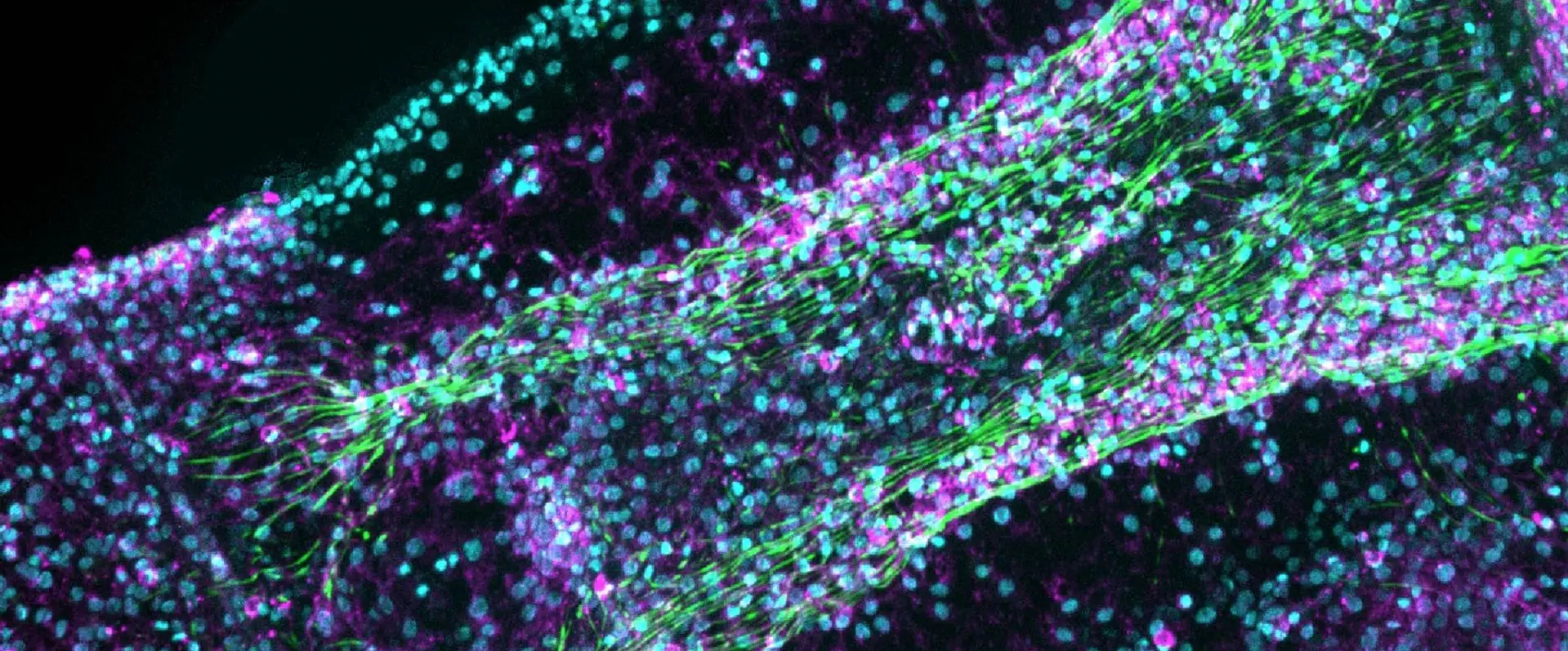
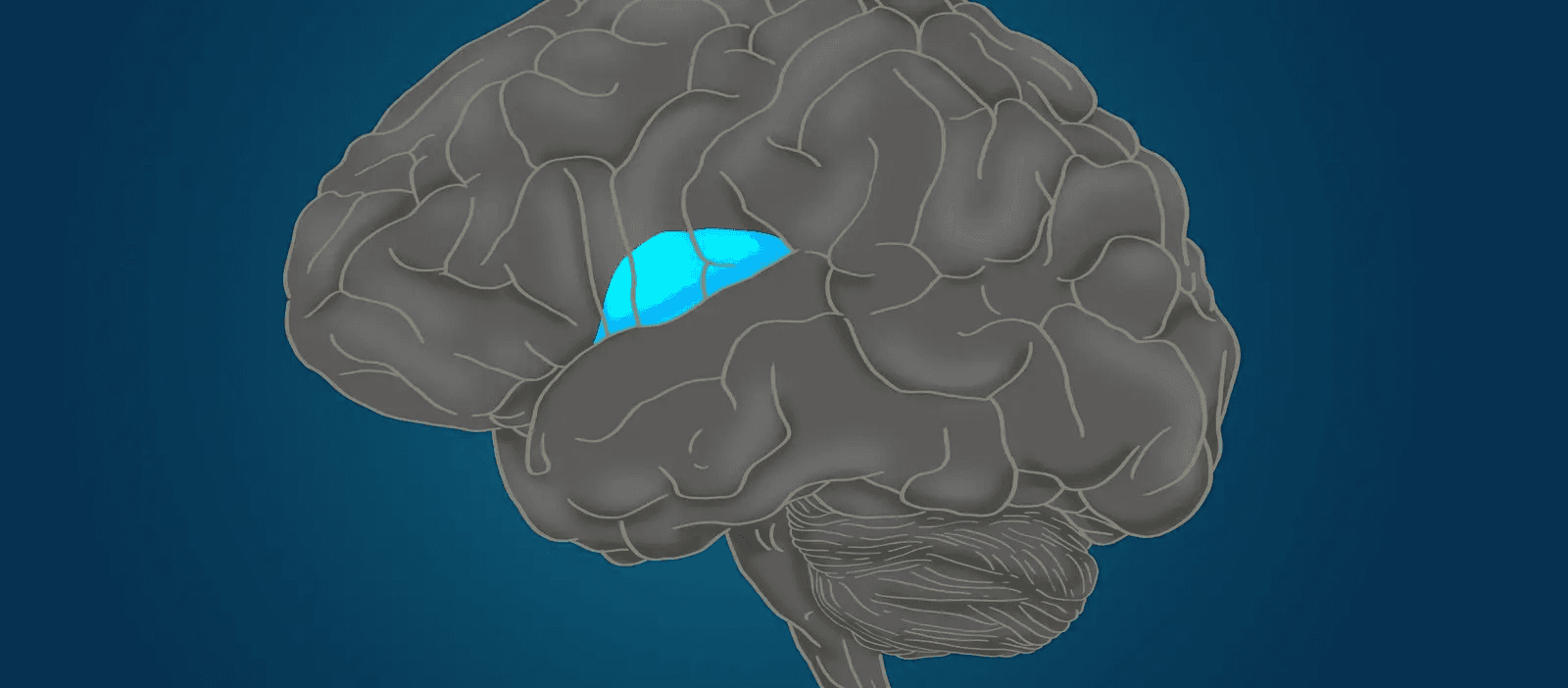
Now, Caltech researchers in the laboratory of Yuki Oka, professor of biology and Chen Scholar, have discovered unique populations of neurons in the mouse brain that separately drive osmotic thirst and hypovolemic thirst. The research exploited a high-throughput and robust technique for mapping neurons that are activated by a specific behavior or stimulus and is described in a paper that appears in the journal Nature on October 14. 

Read more on Caltech’s website

After eating a bag of salty potato chips, you probably feel thirsty. And after a long period of exercise, you also probably feel thirsty. However, these two types of thirst are not the same. In the first example, you would likely reach for water. This is because after eating chips, the concentration of salts and minerals in your blood becomes elevated, which induces a state called osmotic thirst. On the other hand, after exercising, you are likely to reach for Gatorade or some other fluid that can both rehydrate you and replenish electrolytes. This thirst, called hypovolemic thirst, occurs when the volume of your blood is reduced due to fluid loss from sweating.

Now, Caltech researchers in the laboratory of Yuki Oka, professor of biology and Chen Scholar, have discovered unique populations of neurons in the mouse brain that separately drive osmotic thirst and hypovolemic thirst. The research exploited a high-throughput and robust technique for mapping neurons that are activated by a specific behavior or stimulus and is described in a paper that appears in the journal Nature on October 14. 

Read more on Caltech’s website

Loading...
Loading...
Loading...
Loading...
Loading...
Loading...
Loading...

Cornerstone Partnerships

Frontier Labs

Documentary

Loading...

AI Prize

Chen Scholars Program

Training Programs

Stanford IPL

Loading...

AIAS 2025

Conference Program

Conference Partners

Conference Reports

About

Founders’ letter

Our Philanthropy

Vision

Team

Join Us

Newsroom

Chen Institute blog

Newsletter

Annual Report

© 2025 Tianqiao and Chrissy Chen Institute

Terms of Use

Privacy Policy

Contact us

Newsletter

Subscribe

We're Hiring!

Loading...

Cornerstone Partnerships

Frontier Labs

Documentary

Loading...

AI Prize

Chen Scholars Program

Training Programs

Stanford IPL

Loading...

AIAS 2025

Conference Program

Conference Partners

Conference Reports

About

Founders’ letter

Our Philanthropy

Vision

Team

Join Us

Newsroom

Chen Institute blog

Newsletter

Annual Report

© 2025 Tianqiao and Chrissy Chen Institute

Terms of Use

Privacy Policy

Contact us

Newsletter

Subscribe

We're Hiring!

Loading...

Cornerstone Partnerships

Frontier Labs

Documentary

Loading...

AI Prize

Chen Scholars Program

Training Programs

Stanford IPL

Loading...

AIAS 2025

Conference Program

Conference Partners

Conference Reports

About

Founders’ letter

Our Philanthropy

Vision

Team

Join Us

Newsroom

Chen Institute blog

Newsletter

Annual Report

© 2025 Tianqiao and Chrissy Chen Institute

Terms of Use

Privacy Policy

Contact us

Newsletter

Subscribe

We're Hiring!