Loading...
Loading...
Loading...

How Fruit Flies Sniff Out Their Environments

Research News

|
Sep 8, 2022

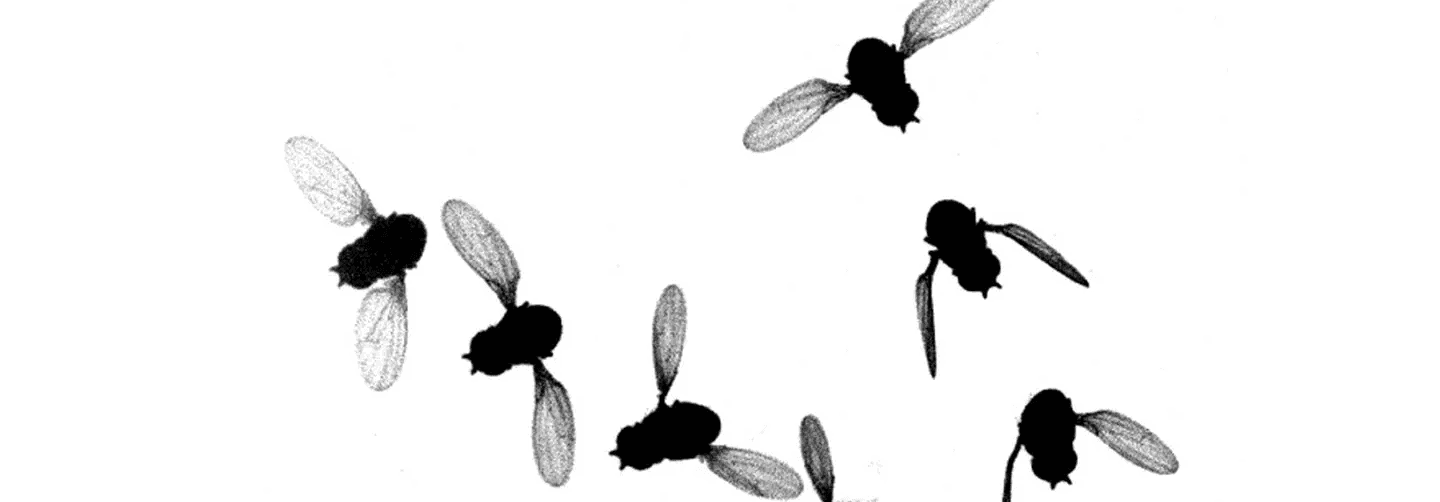
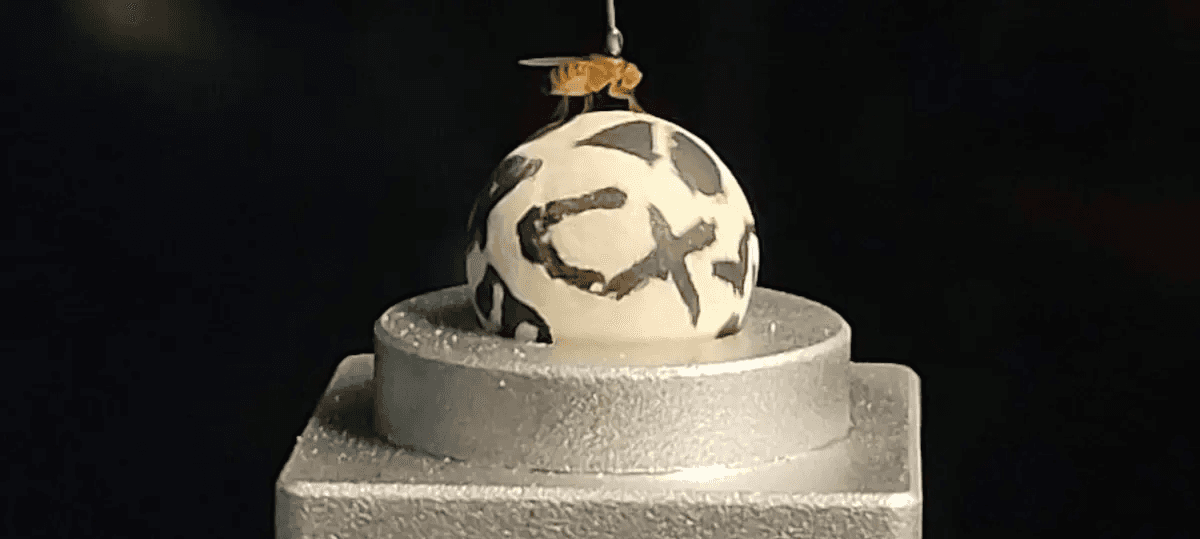
Fruit flies—Drosophila melanogaster—have a complicated relationship with carbon dioxide. In some contexts, CO2 indicates the presence of tasty food sources as sugar-fermenting yeast in fruit produces the molecule as a by-product. But in other cases, CO2 can be a warning to stay away, signaling an oxygen-poor or overcrowded environment with too many other flies. How do flies tell the difference?

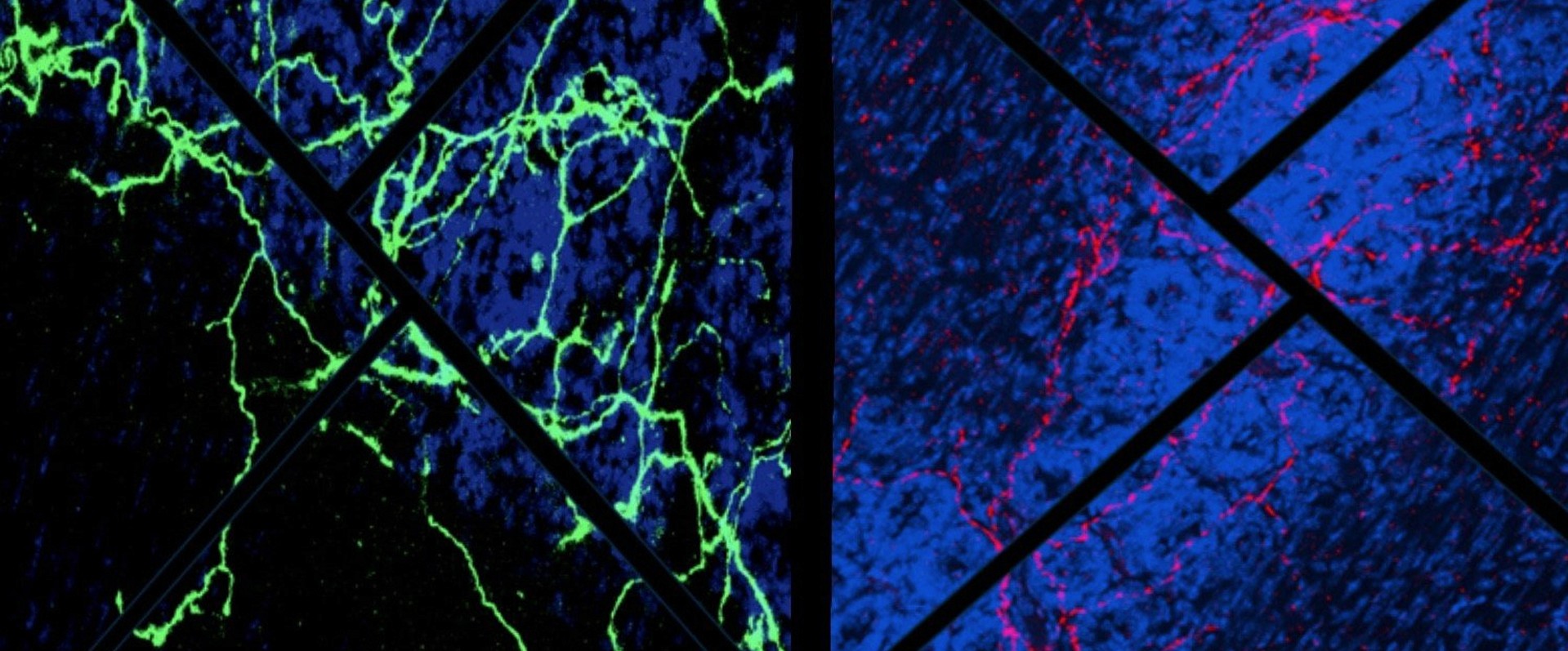
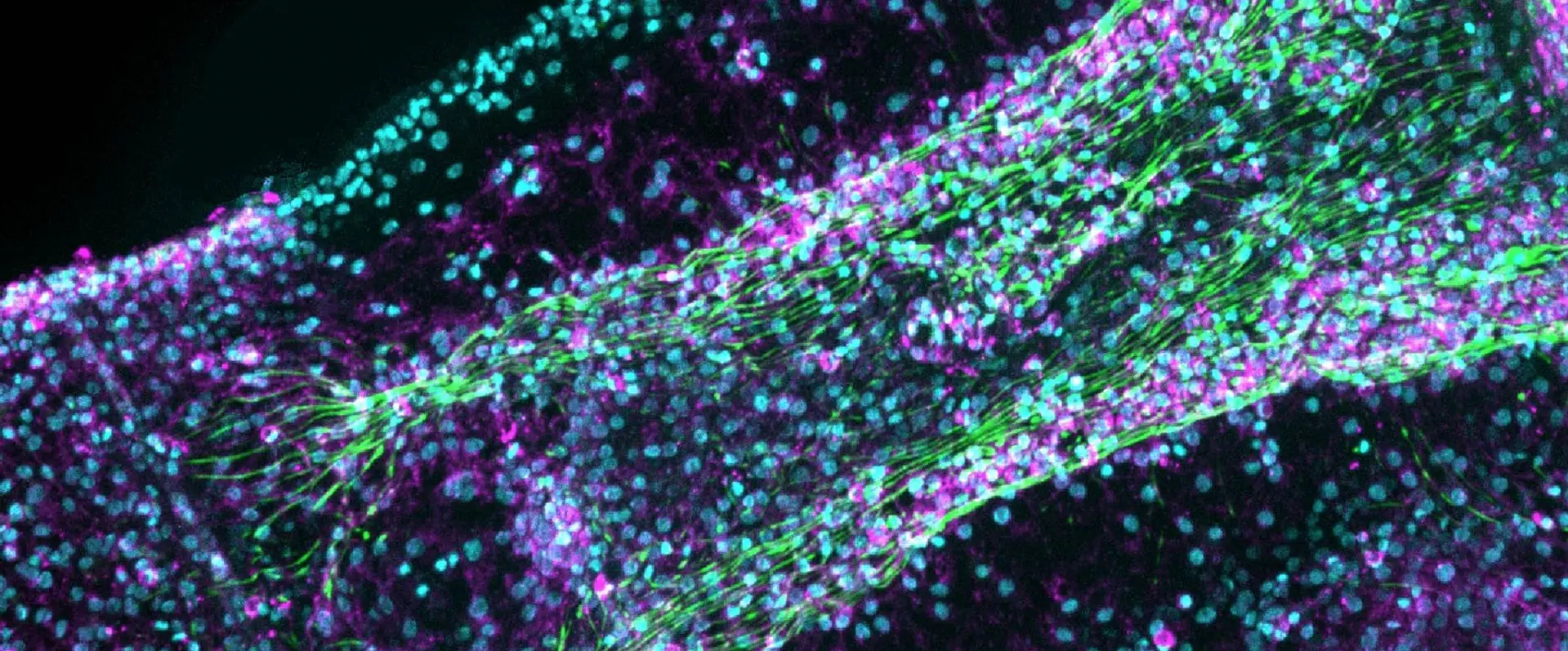
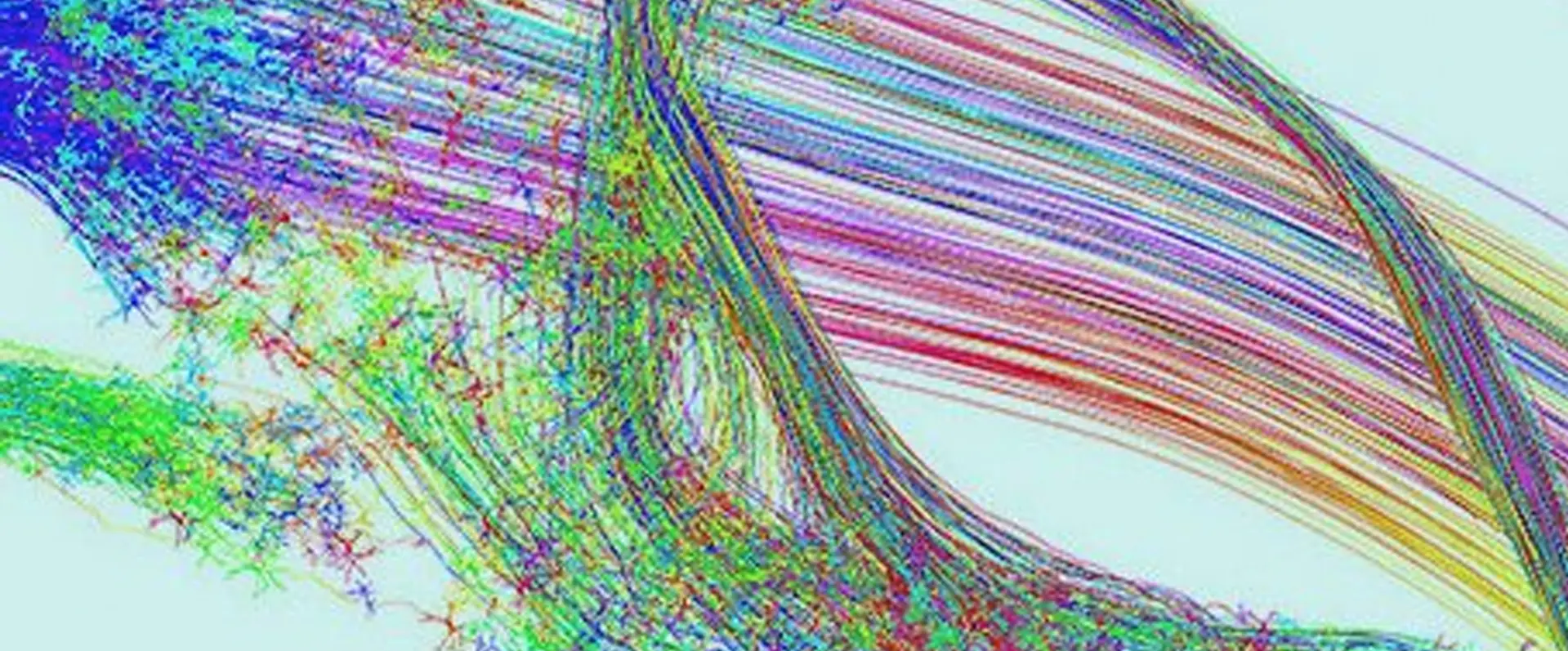
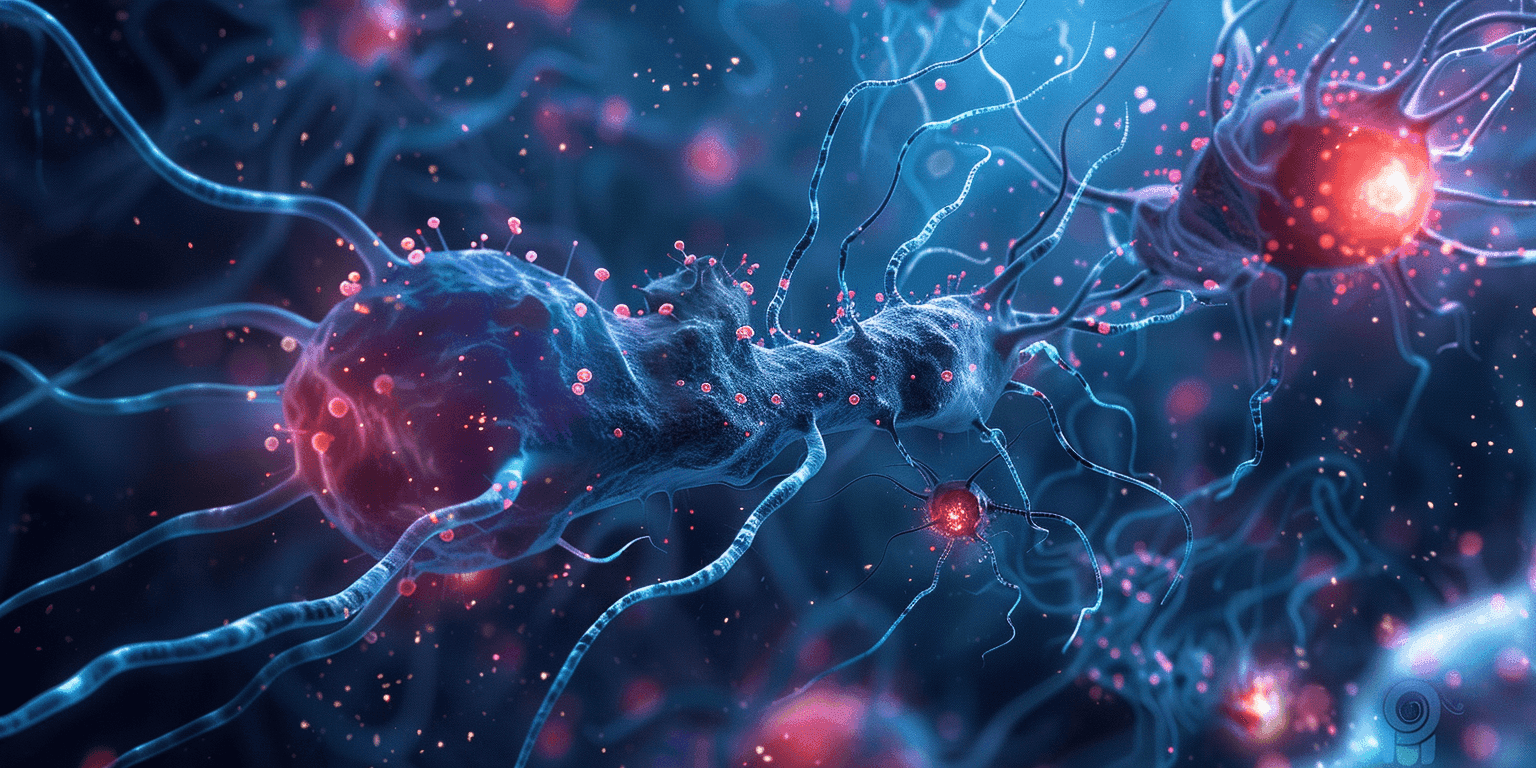
 Now, a new study reveals that fruit fly olfactory neurons—those responsible for sensing chemical “smells” such as CO2—have the ability to talk to each other through a previously undiscovered pathway. The work provides insights into the fundamental processes by which brain cells communicate with one another and also gives new clues to solving the longstanding mysteries about fruit flies and CO2.

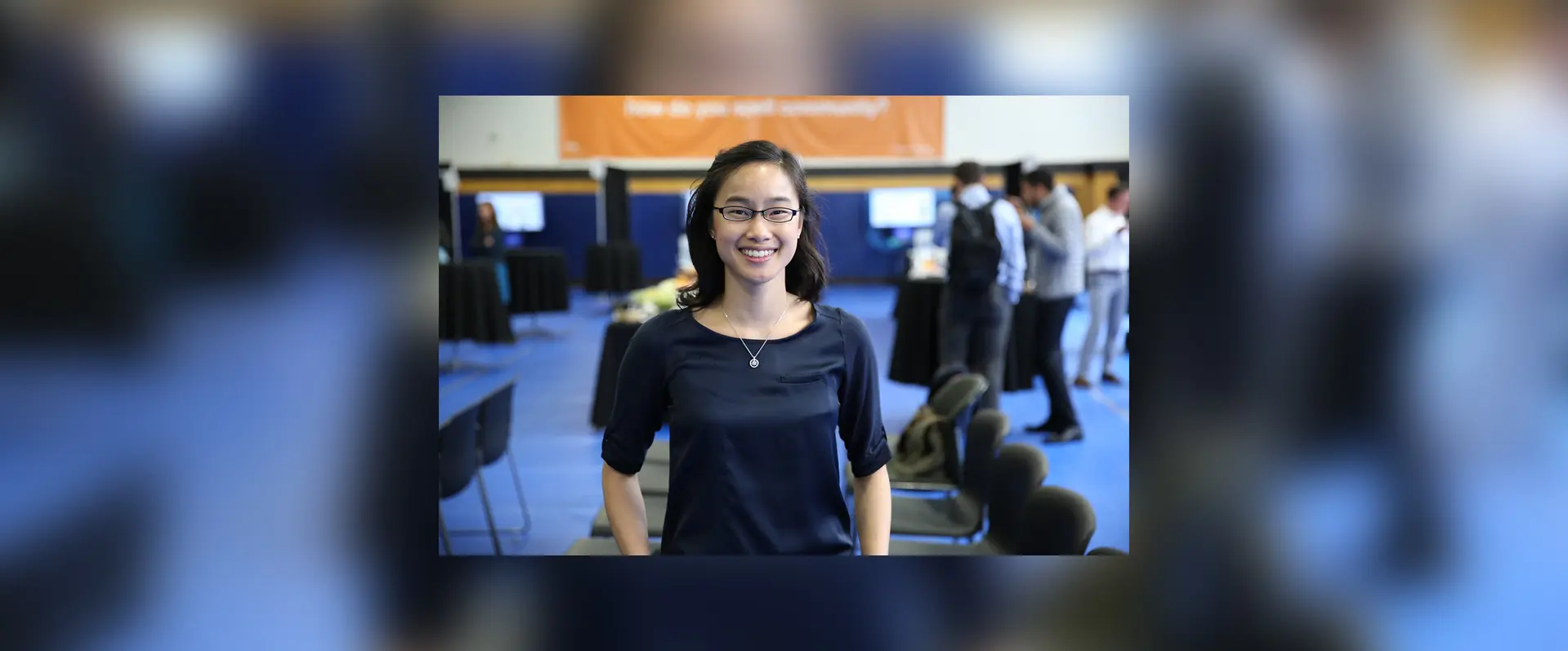
 The research was conducted in the laboratory of Elizabeth Hong, assistant professor of neuroscience and Chen Scholar of the Tianqiao and Chrissy Chen Institute for Neuroscience at Caltech. A paper describing the study appears in the journal Current Biology on September 6.

 Read more on the TCCI for Neuroscience website

Fruit flies—Drosophila melanogaster—have a complicated relationship with carbon dioxide. In some contexts, CO2 indicates the presence of tasty food sources as sugar-fermenting yeast in fruit produces the molecule as a by-product. But in other cases, CO2 can be a warning to stay away, signaling an oxygen-poor or overcrowded environment with too many other flies. How do flies tell the difference?

 Now, a new study reveals that fruit fly olfactory neurons—those responsible for sensing chemical “smells” such as CO2—have the ability to talk to each other through a previously undiscovered pathway. The work provides insights into the fundamental processes by which brain cells communicate with one another and also gives new clues to solving the longstanding mysteries about fruit flies and CO2.

 The research was conducted in the laboratory of Elizabeth Hong, assistant professor of neuroscience and Chen Scholar of the Tianqiao and Chrissy Chen Institute for Neuroscience at Caltech. A paper describing the study appears in the journal Current Biology on September 6.
 Read more on the TCCI for Neuroscience website

Loading...
Loading...
Loading...
Loading...
Loading...
Loading...
Loading...

Cornerstone Partnerships

Frontier Labs

Documentary

Loading...

AI Prize

Chen Scholars Program

Training Programs

Stanford IPL

Loading...

AIAS 2025

Conference Program

Conference Partners

Conference Reports

About

Founders’ letter

Our Philanthropy

Vision

Team

Join Us

Newsroom

Chen Institute blog

Newsletter

Annual Report

© 2025 Tianqiao and Chrissy Chen Institute

Terms of Use

Privacy Policy

Contact us

Newsletter

Subscribe

We're Hiring!

Loading...

Cornerstone Partnerships

Frontier Labs

Documentary

Loading...

AI Prize

Chen Scholars Program

Training Programs

Stanford IPL

Loading...

AIAS 2025

Conference Program

Conference Partners

Conference Reports

About

Founders’ letter

Our Philanthropy

Vision

Team

Join Us

Newsroom

Chen Institute blog

Newsletter

Annual Report

© 2025 Tianqiao and Chrissy Chen Institute

Terms of Use

Privacy Policy

Contact us

Newsletter

Subscribe

We're Hiring!

Loading...

Cornerstone Partnerships

Frontier Labs

Documentary

Loading...

AI Prize

Chen Scholars Program

Training Programs

Stanford IPL

Loading...

AIAS 2025

Conference Program

Conference Partners

Conference Reports

About

Founders’ letter

Our Philanthropy

Vision

Team

Join Us

Newsroom

Chen Institute blog

Newsletter

Annual Report

© 2025 Tianqiao and Chrissy Chen Institute

Terms of Use

Privacy Policy

Contact us

Newsletter

Subscribe

We're Hiring!