Loading...
Loading...
Loading...

Faces, Bodies, Spiders, and Radios: How the Brain Represents Visual Objects

Research News

|
Jun 4, 2020

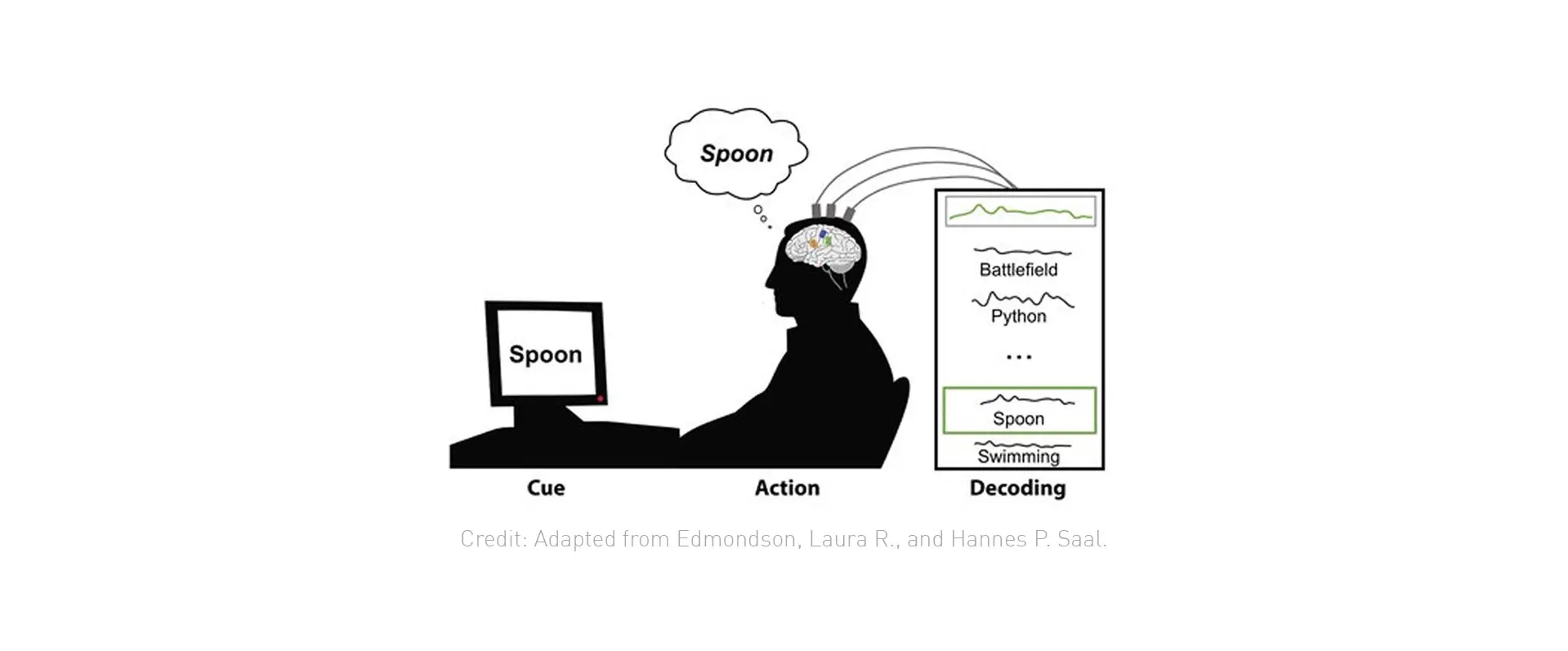
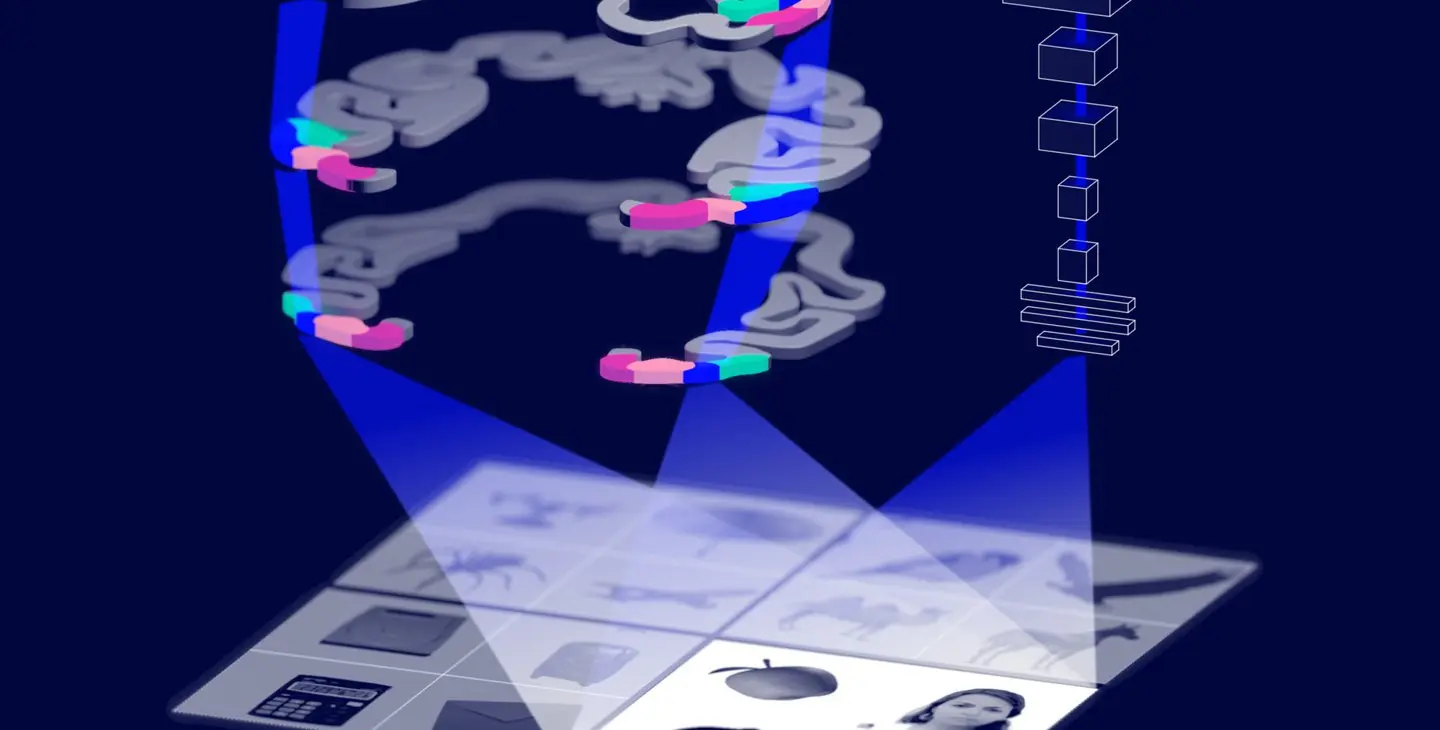
When Plato set out to define what made a human a human, he settled on two primary characteristics: We do not have feathers, and we are bipedal (walking upright on two legs). Plato’s reduction of an object to its fundamental characteristics is an example of a technique known as principal component analysis. Now, Caltech researchers have combined tools from machine learning and neuroscience to discover that the brain uses a mathematical system to organize visual objects according to their principal components. The work shows that the brain contains a two-dimensional map of cells representing different objects. The location of each cell in this map is determined by the principal components (or features) of its preferred objects; for example, cells that respond to round, curvy objects like faces and apples are grouped together, while cells that respond to spiky objects like helicopters or chairs form another group.

This research was conducted in the laboratory of Doris Tsao (BS ’96), professor of biology, director of the Tianqiao and Chrissy Chen Center for Systems Neuroscience and holder of its leadership chair, and Howard Hughes Medical Institute Investigator. A paper describing the study appeared in the journal Nature on June 3.

Read more on the Caltech site

When Plato set out to define what made a human a human, he settled on two primary characteristics: We do not have feathers, and we are bipedal (walking upright on two legs). Plato’s reduction of an object to its fundamental characteristics is an example of a technique known as principal component analysis. Now, Caltech researchers have combined tools from machine learning and neuroscience to discover that the brain uses a mathematical system to organize visual objects according to their principal components. The work shows that the brain contains a two-dimensional map of cells representing different objects. The location of each cell in this map is determined by the principal components (or features) of its preferred objects; for example, cells that respond to round, curvy objects like faces and apples are grouped together, while cells that respond to spiky objects like helicopters or chairs form another group.

This research was conducted in the laboratory of Doris Tsao (BS ’96), professor of biology, director of the Tianqiao and Chrissy Chen Center for Systems Neuroscience and holder of its leadership chair, and Howard Hughes Medical Institute Investigator. A paper describing the study appeared in the journal Nature on June 3.

Read more on the Caltech site

Loading...
Loading...
Loading...
Loading...
Loading...
Loading...
Loading...

Cornerstone Partnerships

Frontier Labs

Documentary

Loading...

AI Prize

Chen Scholars Program

Training Programs

Stanford IPL

Loading...

AIAS 2025

Conference Program

Conference Partners

Conference Reports

About

Founders’ letter

Our Philanthropy

Vision

Team

Join Us

Newsroom

Chen Institute blog

Newsletter

Annual Report

© 2025 Tianqiao and Chrissy Chen Institute

Terms of Use

Privacy Policy

Contact us

Newsletter

Subscribe

We're Hiring!

Loading...

Cornerstone Partnerships

Frontier Labs

Documentary

Loading...

AI Prize

Chen Scholars Program

Training Programs

Stanford IPL

Loading...

AIAS 2025

Conference Program

Conference Partners

Conference Reports

About

Founders’ letter

Our Philanthropy

Vision

Team

Join Us

Newsroom

Chen Institute blog

Newsletter

Annual Report

© 2025 Tianqiao and Chrissy Chen Institute

Terms of Use

Privacy Policy

Contact us

Newsletter

Subscribe

We're Hiring!

Loading...

Cornerstone Partnerships

Frontier Labs

Documentary

Loading...

AI Prize

Chen Scholars Program

Training Programs

Stanford IPL

Loading...

AIAS 2025

Conference Program

Conference Partners

Conference Reports

About

Founders’ letter

Our Philanthropy

Vision

Team

Join Us

Newsroom

Chen Institute blog

Newsletter

Annual Report

© 2025 Tianqiao and Chrissy Chen Institute

Terms of Use

Privacy Policy

Contact us

Newsletter

Subscribe

We're Hiring!