eWEAR: Probing neural circuits underlying the socially ‘contagious’ nature of pain and pain relief
Meeting Reports
|
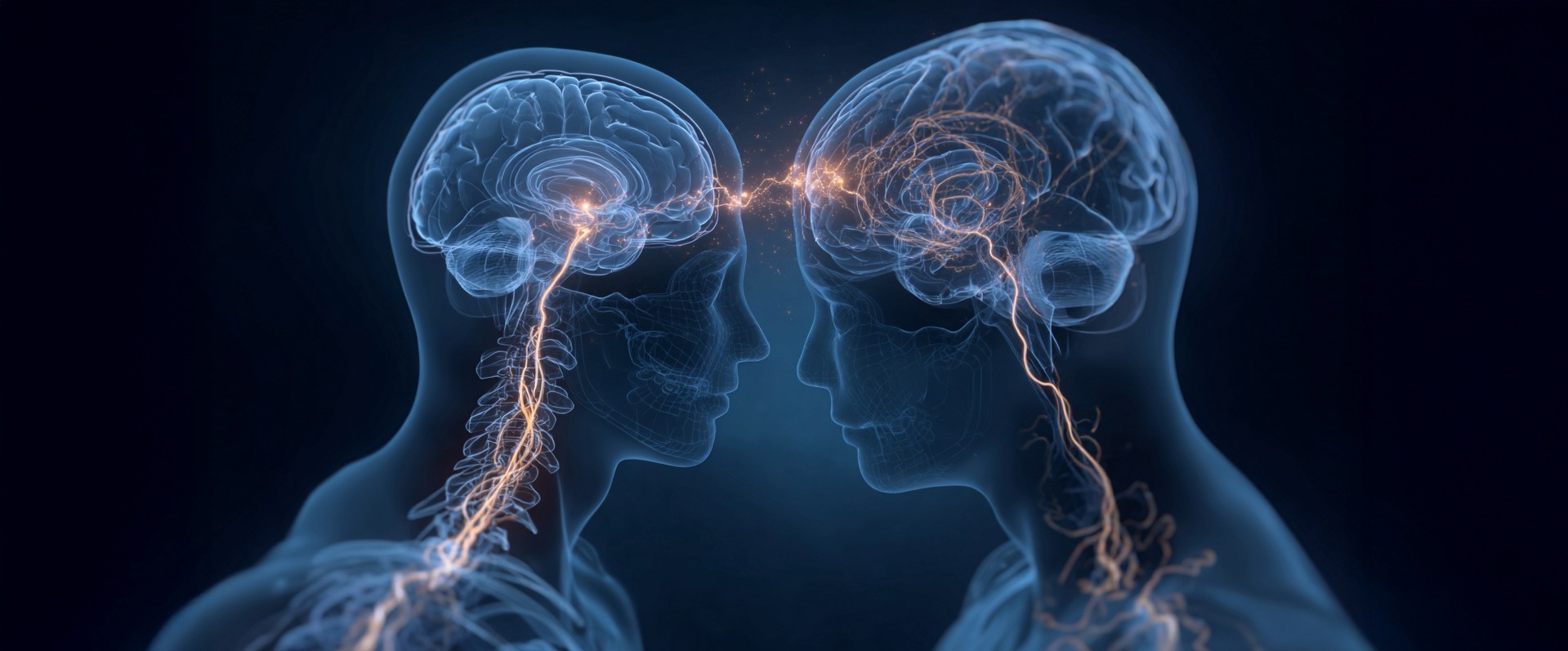
The study, published in Science last year, found evidence for what Dr. Malenka refers to as a “primitive form of empathy” in mice.
One common definition of empathy is the tendency to understand, or even take on, the experience of others. The researchers asked if this latter form of empathy, the transfer of physical states between individuals, occurred in mice. They examined two physical states, pain and pain relief. They found that both states were socially transferred between mice. That is, mice that were not experiencing pain or pain relief began to show signs of pain or pain relief simply after interacting with a mouse experiencing one of those states. Importantly, they tied this social transfer of pain and pain relief to a circuit in the brain that has been implicated in human empathy.
Probing neural circuits underlying the social transfer of pain
Dr. Malenka remembers the awe he felt when Dr. Smith first told him about her PhD research related to the social transfer of pain between mice, remarking that, “To be honest, I had never really heard of it, and I was kind of blown away by it.” Not only that, but Dr. Malenka saw a powerful point of synergy between Dr. Smith’s research into pain and his longstanding interest in studying prosocial behavior. He thought that this social transfer of pain experiment could be a foothold into dissecting neural mechanisms of empathy, and perhaps ultimately prosocial behaviors.
The researchers first wanted to replicate that pain could be socially transferred. They induced arthritis-like pain in one mouse, and then allowed the mouse to interact for one hour with a mouse that was not experiencing pain. As expected, this previously pain-free mouse soon began to show signs of pain.