
News | |
|---|---|
 | Predicting Falls With PrecisionFarwa Ali, M.B.B.S., is a neurologist dedicated to improving quality of life for older adults by advancing the understanding of gait and balance disorders. Her research explores how artificial intelligence (AI) and data science can be harnessed to predict falls, paving the way for earlier interventions and preventive strategies. |
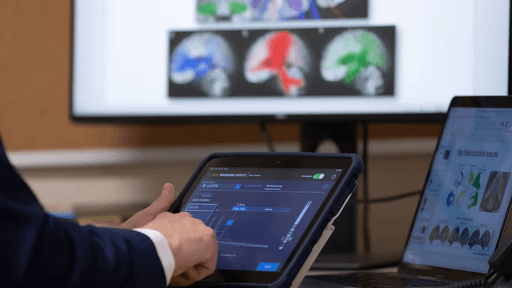 | Mayo Clinic physicians map patients’ brain waves to personalize epilepsy treatmentDBS involves implanting electrodes in the brain to deliver electrical pulses that help prevent and control seizures. While effective, DBS is typically administered with electrodes placed in the same brain region across most patients. Mayo Clinic physician-scientists are now tailoring the treatment to an individual's seizure network before DBS placement. |
 | Turning Data Into DiagnosisNathan Staff, M.D., Ph.D., a neurologist and researcher, has spent his career caring for patients with amyotrophic lateral sclerosis (ALS) and researching better ways to detect and manage the disease. ALS slowly damages the nerve cells controlling muscle movement, gradually robbing patients of their ability to move or speak. Because early symptoms can be hard to spot, many patients face delays in getting a diagnosis and starting treatment. |
News | |
|---|---|
| Predicting Falls With PrecisionFarwa Ali, M.B.B.S., is a neurologist dedicated to improving quality of life for older adults by advancing the understanding of gait and balance disorders. Her research explores how artificial intelligence (AI) and data science can be harnessed to predict falls, paving the way for earlier interventions and preventive strategies. |
| Mayo Clinic physicians map patients’ brain waves to personalize epilepsy treatmentDBS involves implanting electrodes in the brain to deliver electrical pulses that help prevent and control seizures. While effective, DBS is typically administered with electrodes placed in the same brain region across most patients. Mayo Clinic physician-scientists are now tailoring the treatment to an individual's seizure network before DBS placement. |
| Turning Data Into DiagnosisNathan Staff, M.D., Ph.D., a neurologist and researcher, has spent his career caring for patients with amyotrophic lateral sclerosis (ALS) and researching better ways to detect and manage the disease. ALS slowly damages the nerve cells controlling muscle movement, gradually robbing patients of their ability to move or speak. Because early symptoms can be hard to spot, many patients face delays in getting a diagnosis and starting treatment. |